🎧 Listen to this edition — Arjun & Meera, 17 July 2026
Arjun & Meera · Today's brief
Jio Financial Services just printed ₹830 crore in Q1 profit—a 2.6X jump—and that matters because it shows what happens when you marry lending at scale with the Jio ecosystem's distribution moat. For founders watching fintech, this isn't just a number; it's a reminder that in India's capital-constrained market, whoever builds the cheapest unit economics and reaches the underbanked first wins the decade. Jio's playbook: leverage existing users, keep costs down, let the lending machine compound. That's the template every ambitious fintech is now reverse-engineering.
The momentum spreads wider than just lending. Domestic mutual funds are doubling down on Meesho even as early foreign VCs trim stakes—a signal that Indian institutional capital sees value where Silicon Valley is taking profits. PhysicsWallah's ₹72 crore acquisition of Sarrthi IAS doubles down on vertical consolidation in high-stakes education. And India's public cloud spending is projected to hit $17.5 billion by 2026, a 28% YoY surge led by AI workloads. The pattern is clear: capital is rotating from breadth (generalist platforms chasing every user) to depth (specialists owning specific verticals and geographies where unit economics actually work).
This shift has teeth because of what's *not* happening—foreign investors are leaving, domestic institutions are staying. That's a vote for founders who've figured out the India math: lower CAC, sticky products, regulated pathways that foreign players find harder to navigate. Healthtech systems gaining real adoption aren't flashy; they're transparent and keep doctors in charge. Green Tiger Mobility's EV conversion play solves a real scooter-owner problem with ARAI-approved tech. PhysicsWallah isn't building new education; it's consolidating what works at scale.
Watch how many founders this week recalibrate their growth playbooks away from "acquire at any cost" toward "own a defensible vertical in Tier 2+." The money is moving.
Jio Financial Services' net profit jumped 2.6X to ₹830.3 Cr in Q1 FY27, per Inc42. The lending engine is firing—watch for how the scale advantage compounds versus smaller fintech competitors losing margin room.
End-user spending on public cloud services in India is projected to surge 28.1% YoY to USD 17.5 Bn in 2026, per Equirus Securities via ET Tech. AI-led growth is accelerating adoption—builders need production-grade infra and cost-efficiency plays to capture this wave.
Domestic institutional investors increased exposure to Meesho in Q1 FY27 while several early foreign investors sold stakes, per Inc42. Shift in investor base from early-stage VCs to mutual funds signals confidence in EBITDA trajectory—watch for pricing power and margin expansion plays.
Listed edtech major PhysicsWallah acquired an additional 11% stake in UPSC coaching institute Sarrthi IAS for ₹72 Cr, per Inc42. Vertical consolidation in high-value exam prep is accelerating—standalone coaching institutes face acquisition pressure unless they build defensible tech moats.
Google lost a court challenge against an Italian fine over YouTube videos promoting online gambling via commercial partnerships with content creators, per The Hindu Tech. Advertiser accountability for creator partnerships is tightening—platforms and brands need tighter content governance or face regulatory whiplash.
Systems gaining real adoption in health are transparent about what they do, keep doctors in charge of every decision, and treat patient information with seriousness, per The Hindu Tech. Builders chasing AI hype in healthcare are misreading the market—regulatory trust and clinical workflow integration matter more than model sophistication.
Private companies are reshaping India's space ambitions, building rockets and satellites as the country pushes to capture a bigger share of the global space economy, per ET Tech. Private space is moving from hype to hardware—builders with proven launch cadence and satellite repeatability will win contracts.
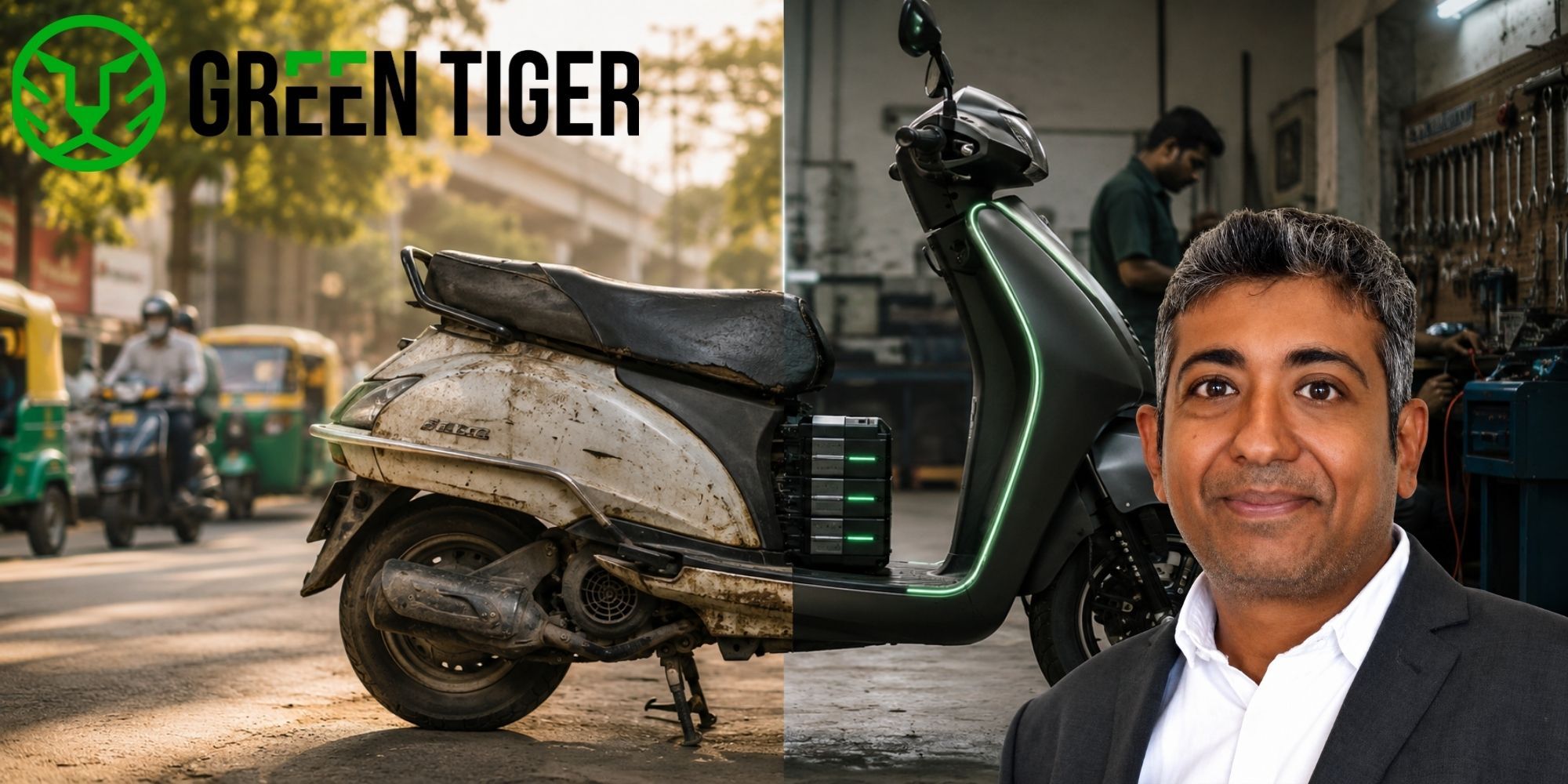
Green Tiger Mobility converts old petrol scooters into EVs using patented, ARAI-approved technology with battery-swapping support, per YourStory. Scooter retrofitting is a defensible alternative to new EV purchase—builders in the retrofit space can capture the price-sensitive mass market and avoid cannibalizing new EV sales.

 Arjun’s TLDR
 Meera’s TLDR