Arjun & Meera · Today's brief
Paytm just posted ₹220 crore profit—a 78.8% jump year-on-year—and it matters because fintech's profitability narrative has shifted from "when" to "how fast." Revenue grew 28% to ₹2,448 crore, meaning the company is printing money while scaling, not after. This is the moment when Indian fintech stops being a land grab and starts being a business. For builders still burning cash to acquire users, this is the wake-up call: unit economics have to work now, not "eventually."
The same pressure is rippling across adjacent categories. Quick commerce platforms are now squeezing supplier margins through auction-style bidding—a sign that even fast-growing categories can't outrun unit economics forever. Margins get compressed when growth alone stops justifying losses. Meanwhile, healthtech is consolidating: Redcliffe Labs just acquired Megavision Diagnostics for ₹40 crore, proving that fragmented, low-margin sectors need scale consolidation, not more VC money chasing the same problem. The playbook is becoming clear—profitability or M&A, and there's no third option anymore.
What's interesting is where the real capital is flowing instead. Anthropic's $1.5 billion copyright settlement didn't slow AI investment; Transition VC just closed a ₹1,500 crore Fund II for climate and deeptech startups. Even ShareChat founders pivoted hard from social to General Autonomy, building robot dogs for factory automation. The money isn't leaving India—it's just moving away from saturated consumer categories into frontier tech and infrastructure. Metastable Materials pulling lithium from battery waste, Transition backing energy startups, robots replacing manual labor—these are the bets that still feel early.
The week ahead: audit your unit economics like Paytm did. If you're not on a path to profitability within 18-24 months, your next fundraise gets harder. The era of "growth at all costs" didn't end overnight, but it's ending.

Paytm's consolidated net profit jumped 78.8% to ₹220 Cr in Q1 FY27 versus ₹123 Cr in Q1 FY26, with revenue up 28% to ₹2,448 Cr. For builders watching fintech unit economics: profitability over shareholder returns is now the board's signal—focus on sustainable margins, not cosmetic capital actions.
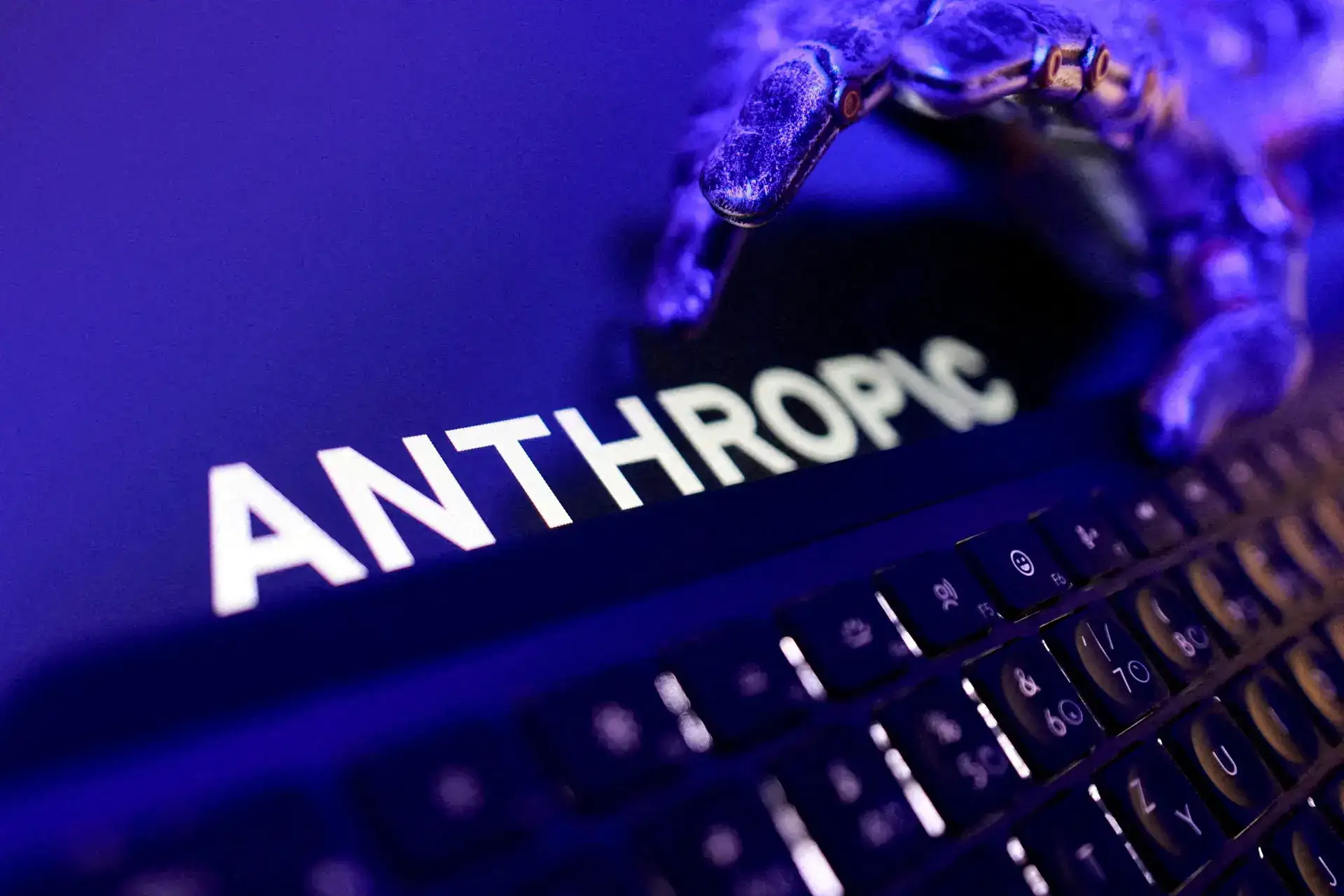
A U.S. District Judge granted final approval of Anthropic's $1.5 billion copyright settlement, the largest known U.S. copyright case settlement, after rejecting arguments it was too small. For AI builders: expect regulatory and legal friction around training data to normalize—budget for compliance, not just compute.

Quick commerce platforms are increasing margin demands and marketing fund requirements from consumer goods companies through auction-style bidding for product visibility and keyword placement. Brands: your cost of reach on fast-delivery is now a dynamic auction—budget for volatility, not fixed spend.
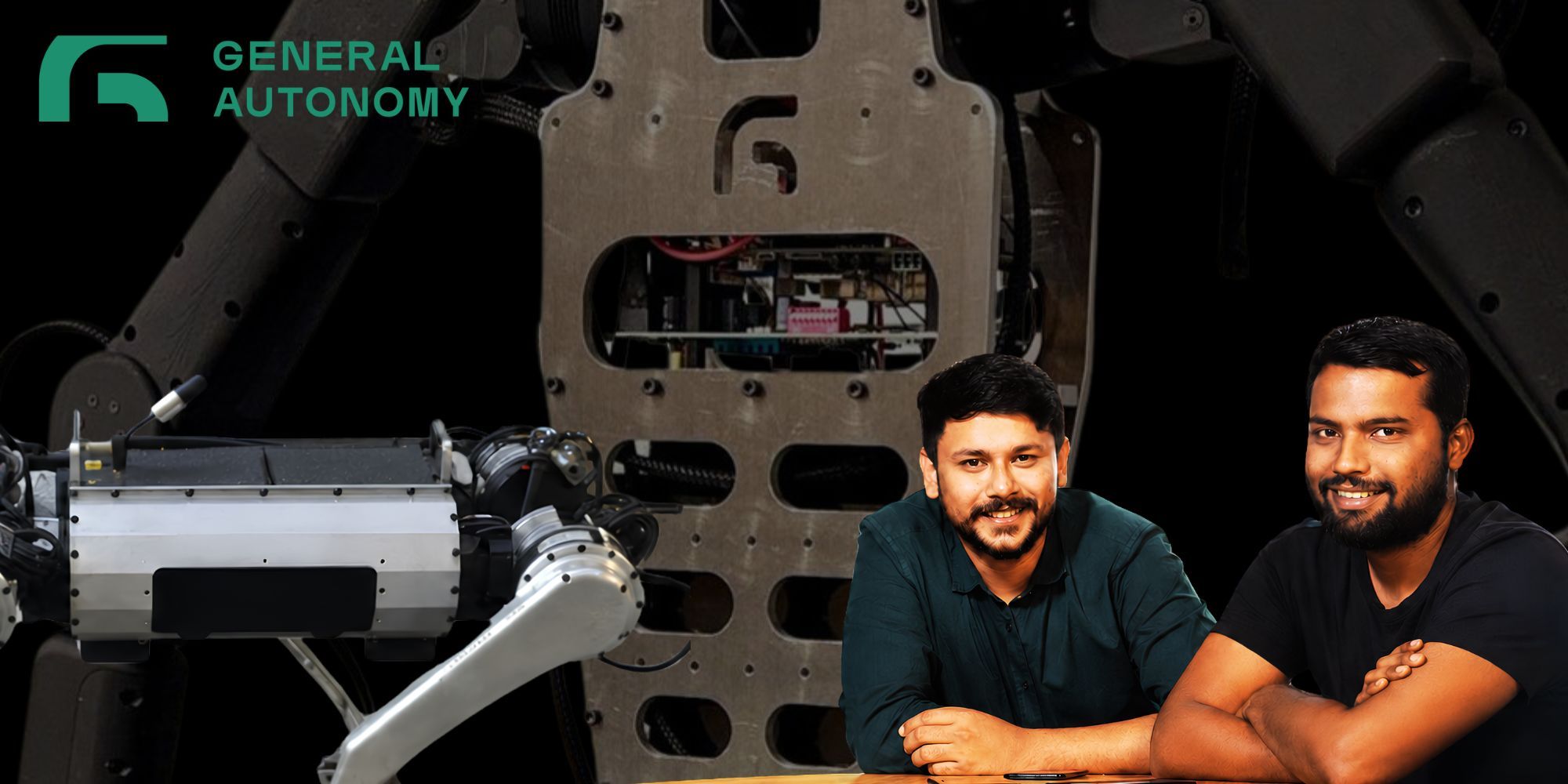
ShareChat co-founders have pivoted to General Autonomy, a Bengaluru startup building indigenous robot dogs and humanoids for factory automation, betting India's automation future lies in physical robotics and hardware. Founders: social media scale is hitting natural limits in India—hardware and physical automation is the next frontier for ex-social founders.

Healthtech startup Redcliffe Labs is acquiring Pune-based diagnostics chain Megavision Diagnostics in a ₹40 Cr transaction. Lab consolidation has begun—unit economics in diagnostics require scale, not fragmentation. Founders: standalone pathology labs are being rolled up. Sell or scale to top 5 or exit now.

Energy transition-focused VC firm Transition VC launched its second fund with a target corpus of ₹1,500 Cr for deeptech and climate startups. Founders: climate tech and energy transition capital is now patient, large-check capital. The venture tailwind is real—if you're solving grid scale or materials science, now is your fundraising window.
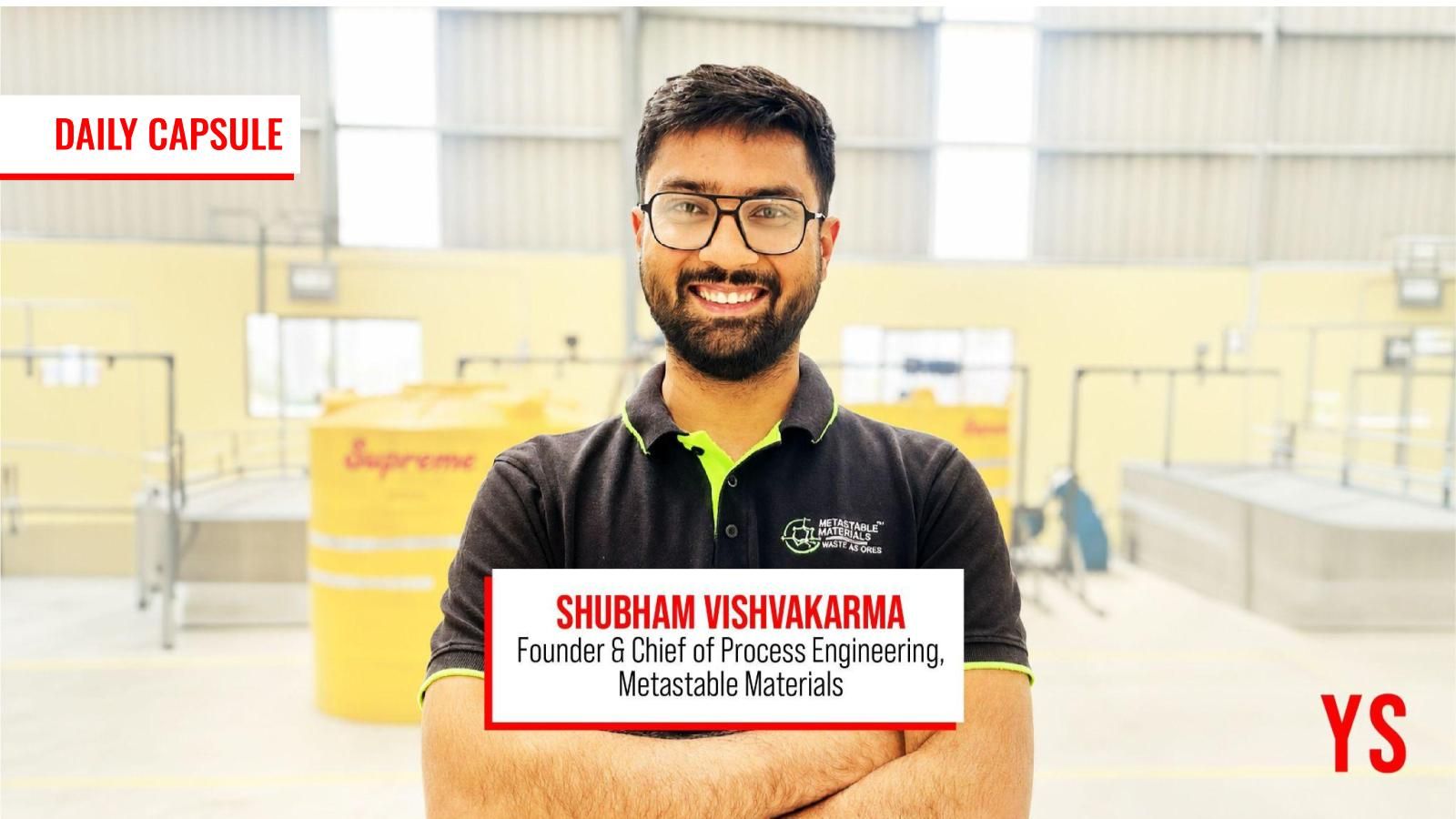
Bengaluru startup Metastable Materials recovers lithium, cobalt, nickel, copper, and aluminum from spent batteries and sells them as refined commodity metals. Builders: India's EV battery recycling is a $2B+ addressable market—first player to own the reverse supply chain wins moat and margin. This is not optional by 2028.
 Arjun’s TLDR
 Meera’s TLDR