🎧 Listen to this edition — Arjun & Meera, 23 July 2026
Arjun & Meera · Today's brief
Paytm's sudden acceleration to 15-20% EBITDA margins signals something builders need to understand: the era of growth-at-all-costs is ending, and AI-driven cost optimization is becoming table stakes, not a nice-to-have. A fintech hitting margin targets faster than expected isn't just good accounting—it's a playbook shift. When Paytm squeezes structural costs while revenue grows, it tells you that the companies winning in 2026 aren't the ones choosing between scale and profitability anymore. They're choosing both.
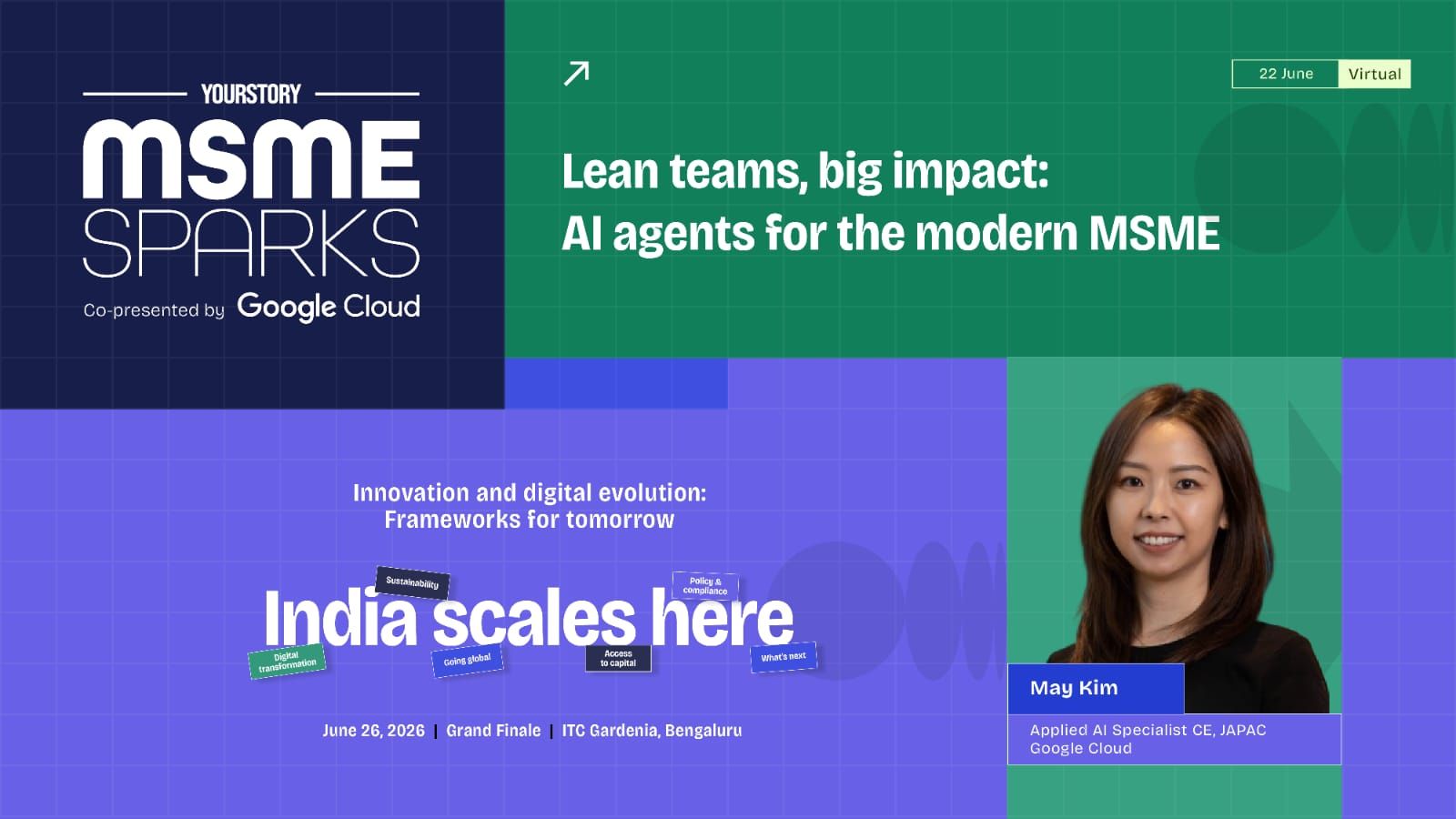
That playbook is spreading fast across every layer of the stack. TCS's physical AI survey confirms that robotics and automation have moved past flashy pilots into real enterprise scale—which means the companies that were "testing" AI six months ago are now drowning in data integration and legacy modernization challenges. Google Cloud's no-code AI agents for MSMEs underscore the same truth: you don't need a 500-person engineering team to deploy intelligent systems anymore. The constraint isn't technology. It's knowing what to build.
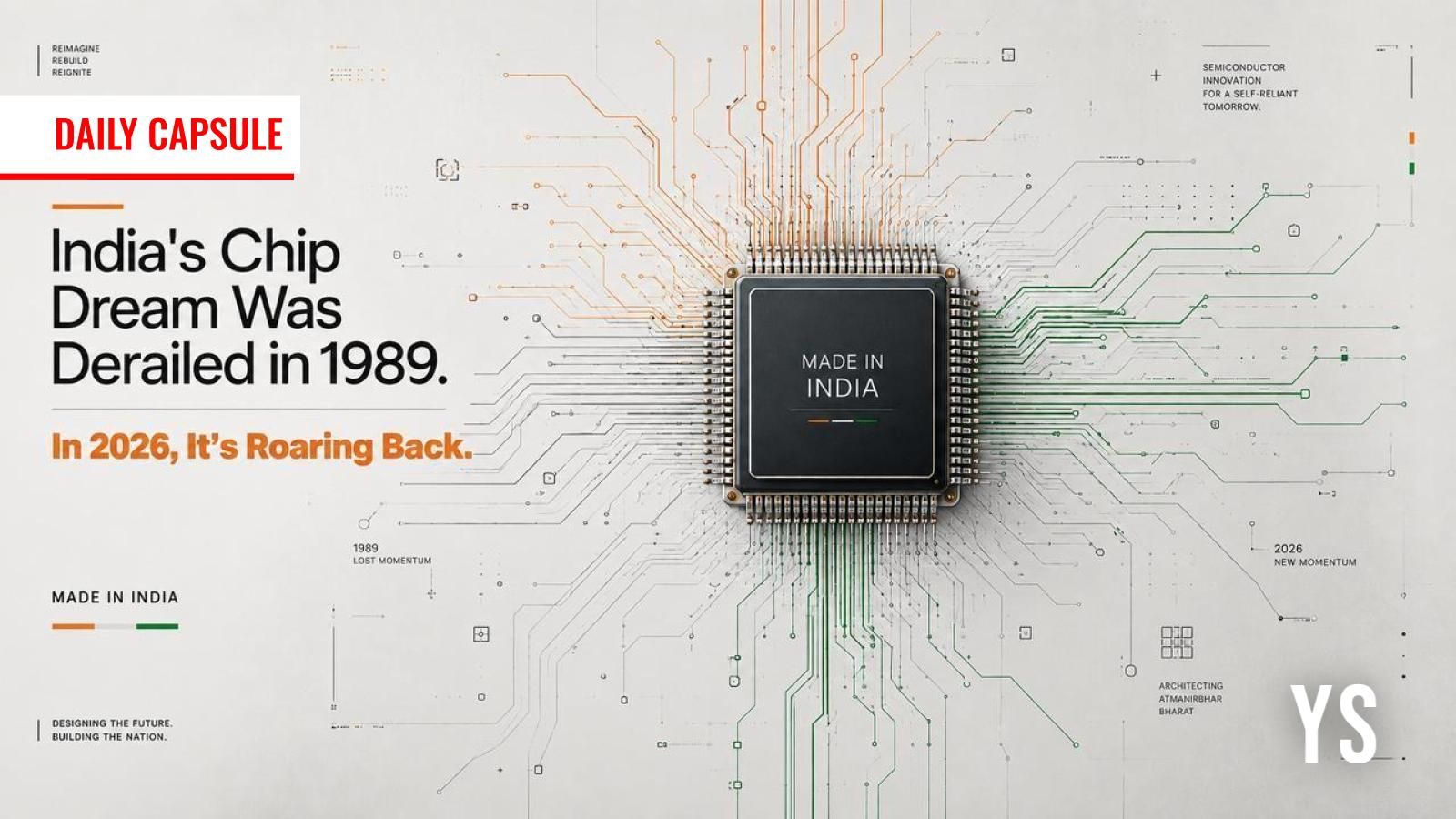
The money is following this shift everywhere. Ather Energy pulled Rs 1,300 crore oversubscribed for manufacturing and product expansion—not acquisition or brand stunts. Eternal's net profit jumped 4x as Blinkit scaled, proving that unit economics matter more than headlines. Even India's Semicon 2.0 strategy now reaches beyond fabs to chip design and supply chains, expanding the surface area for builders who can solve for India's deeptech ambitions. Meanwhile, Gamescom selling out entirely for the first time shows that physical convening still wins when it's where real deals happen.
One hard note for founders in consumer: France just banned under-15s from social media, becoming the first EU country to enforce an age floor. If you're building for youth, your addressable market just contracted in one of the world's richest markets. Regulation is no longer something that happens to you—it's something happening to everyone at once. Watch regulatory filings in India this week; if age-based restrictions land here, the math changes fast.
Paytm expects to hit its long-term EBITDA margin target of 15-20% sooner than planned, backed by faster revenue growth and structural cost cuts from artificial intelligence. Builders should watch how unit economics shift when incumbents lean into AI operations—the margin acceleration playbook will shape competitive dynamics across fintech.
TCS research confirms physical AI adoption has matured beyond early trials, with data integration, legacy modernisation, and governance now determining scale. For builders, the bottleneck has shifted: it's no longer whether physical AI works, but how to operationalise it across legacy systems at enterprise speed.
Google Cloud unveiled no-code AI agents at MSME Sparks 2026, enabling small businesses to compete without large engineering teams. Builders selling enterprise SaaS should expect customer acquisition to become AI-native: MSMEs will now compare your feature set against 'how fast can I automate this with a no-code agent?'
Eternal's consolidated net profit surged nearly 4x to Rs 92 crore in Q1 FY27, with revenue almost tripling to Rs 20,211 crore, driven by Blinkit's rapid scaling and operating leverage. Builders in quick commerce should study Eternal's path to unit profitability: the narrative has flipped from 'who can burn the fastest' to 'who scales while staying profitable.'
French lawmakers approved a sweeping ban on social media access for under-15s, the first EU-wide enforcement of an age floor. Consumer app builders targeting youth should prepare for fragmented regulation across Europe; assume platform bans will spread and plan for age-gated, region-specific UX within 12 months.
The United States committed $5 billion in federal funding for AI-powered scientific research targeting chronic diseases and drug discovery via supercomputers and specialised datasets. Healthtech builders should track this capital flow; the US is establishing a gold-standard AI biotech infrastructure that will pull talent and startup gravity westward for 5+ years.
India's revamped semiconductor strategy—Semicon 2.0—now targets chip design, equipment, and domestic supply chains alongside fabrication capacity. Builders should map the ₹1.25 lakh crore ISM 2.0 capital flows; the government is de facto picking design and materials as the next frontier, signalling where startup capital will concentrate over the next 5 years.
Electric two-wheeler maker Ather Energy secured Rs 1,300 crore in an oversubscribed QIP, earmarking proceeds for manufacturing capacity and new product development. The oversubscription signals investor conviction in EV two-wheeler consolidation; builders in mobility should prepare for larger, funded competitors to capture market share through capex—differentiation will be on efficiency and category expansion, not just unit price.
Gamescom 2026 achieved full capacity for the first time, with every booth reserved, underscoring growing industry appetite for physical convening. Builders and publishers should plan 18–24 months ahead for major gaming events; in-person presence is now table-stakes for AAA launches and investor pitching.
Bengaluru Tech Summit partnered with We Make Future to enable startups from both ecosystems to co-participate in flagship events, connect with investors, explore international markets, and pursue cross-border business partnerships. Web3 builders should use these exchange programs as lead generation pipelines; global partner networks now matter as much as product—ecosystem positioning is your moat.
 Arjun’s TLDR
 Meera’s TLDR