WhatsApp Pay surges past CRED in UPI transaction volumes — Product Growth, 25 July
The essential morning brief for Indian product builders — every number sourced and dated, every industry covered.
25 July 2026 · Product Growth Daily Brief · Presented by Arjun & Meera · Editorial standards
🎧 Listen to this edition — Arjun & Meera, 25 July 2026
Arjun & Meera · Today's brief
The RBI's 125 basis point repo cut is flowing into your customers' loan rates immediately, but not into deposit rates—and that asymmetry is reshaping fintech economics right now. Lending rates tied to external benchmarks have fully transmitted the cuts, while deposit rates lag, which means margin compression for everyone building lending products and suddenly-favorable unit economics for borrowing-first fintechs. This matters because it's a temporary window. When deposit rates eventually catch up (and they will), that arbitrage closes.
But here's what's actually happening beneath the rate curves: the market is segmenting by distribution and domain specificity. Flipkart just partnered with India Post's 1.6 lakh post offices for last-mile delivery—a play that turns commodified logistics into a moat. WhatsApp Pay overtook CRED in UPI volumes in June; Kunal Shah's exit to run WhatsApp globally signals where the real leverage sits (platform scale, not fintech verticalization). Meanwhile, SAP's CFO is telling builders that generic LLM chatbots don't move needle—you need governed, domain-specific AI embedded in actual business processes. The pattern: winners aren't building faster versions of existing tools. They're building distribution plays and deeply integrated systems.
Nvidia and SK Group's $500B+ AI datacenter initiative and CATL's 42% profit surge on energy storage demand aren't accidents. They're signaling that infrastructure—chip capacity and battery supply—is the actual constraint on what gets built next in India. Insurtech (Go Digit down 37% YoY) and healthtech (Bank of Baroda's $600M NMC settlement) are hitting profitability walls in competitive markets; the capital that might have chased them is moving upstream to infrastructure and rural expansion (Karnataka's AI education push into rural markets is political cover for the same economic logic).
Watch this week: whether deposit rates start moving and how quickly fintech unit economics shift. More importantly, ask yourself if you're building a faster version or a distribution/infrastructure play. The rate cut window is open, but the real game is already moving to whoever controls last-mile, AI governance, or energy supply.
Lending rates tied to external benchmarks have fully transmitted the Reserve Bank of India's 125 basis point repo rate cut, while deposit rates lag behind. Fintech lenders relying on deposit funding face margin squeeze; those with lending-heavy models benefit first from rate transmission, but watch deposit competition intensify as banks catch up.
Nvidia and SK Group unveiled a partnership to build 2-gigawatt AI data centres powered by Nvidia's Vera Rubin chips and SK Hynix's HBM4 memory, with the first facility online in 2027. Builders relying on hyperscaler inference capacity should expect tighter allocation in 2026–27; secure your GPU commitments now or plan for multi-region fallbacks.
SAP's leadership signalled that generic LLM integrations don't move the needle; real returns come from governed, domain-specific systems embedded in business processes. Enterprise software builders should deprioritize chatbot features and focus instead on automating specific workflows (invoice processing, forecasting, approvals) where you can measure ROI in days, not quarters.
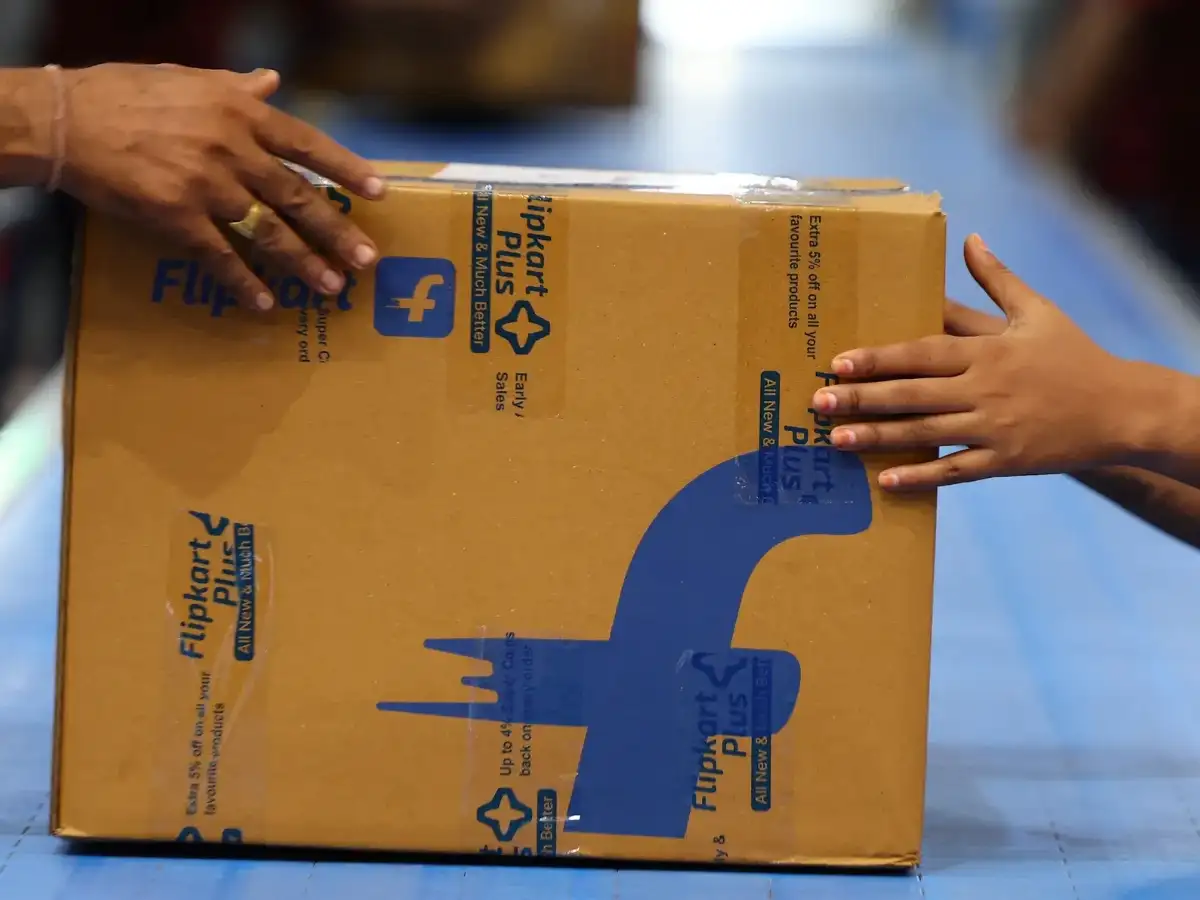
Flipkart partnered with the Department of Posts to access over 1.6 lakh post offices nationwide for parcel delivery. This dramatically expands last-mile coverage to tier-3 and rural markets at lower cost; if you're a logistics startup or competing on delivery, you're now competing against Flipkart + India Post's existing infrastructure, not just Flipkart's own capex.
Karnataka CM DK Shivakumar announced plans to take AI education to rural students and build industry partnerships to deepen the state's AI ecosystem. For edtech builders, this signals government appetite for curriculum-aligned, low-cost AI training; focus on rural-first content and teacher training rather than premium apps.
WhatsApp Pay overtook CRED in UPI transaction volumes in June, coinciding with CRED founder Kunal Shah's move to WhatsApp's global CEO role. Meta's doubling down on fintech; watch for WhatsApp Pay to bundle credit, insurance, and investment products to compete on wallet depth, not just transaction count.
Bank of Baroda settled a USD 600 million dispute tied to the NMC Health collapse at trial stage, dragging Q1 net profit down 72% to ₹1,278 Cr. Fintechs providing healthcare lending or insurance products should model tail-risk litigation costs; a single bad actor (e.g., overtreatment, fraud) can wipe out years of margin.
Go Digit's Q1 profit slumped 37.5% to ₹86.4 Cr from ₹138.3 Cr in the prior year. Insurtech profitability is inversely correlated with competitive intensity; expect a consolidation wave as players with tech advantages (pricing, claims processing) acquire or absorb those relying on raw distribution.
Nvidia and SK Group unveiled a partnership to build 2-gigawatt AI data centres powered by Nvidia's Vera Rubin chips and SK Hynix's HBM4 memory, with the first facility online in 2027. Deeptech hardware startups should expect consolidation around hyperscaler partnerships; standalone semiconductor and chip design plays face margin compression unless they own a specific process node or application domain (e.g., edge inference, automotive).
Chinese battery giant CATL saw net profit surge 42% in H1 2026, driven by energy storage demand. For Indian EV and battery startups, this signals a structural shift: stationary storage (grid stabilisation, solar buffering) is higher-margin than automotive; diversify away from EV-only exposure.
LVL Zero, India's first dedicated gaming incubator (backed by Mixi, Nazara, Chimera VC), wrapped a demo day with 10 studios pitching global games. For Indian game builders, this signals investor appetite for export-focused titles and technical excellence; regional games are no longer a path to scale—go global or accept 10-20M Indian users as your ceiling.

 Arjun’s TLDR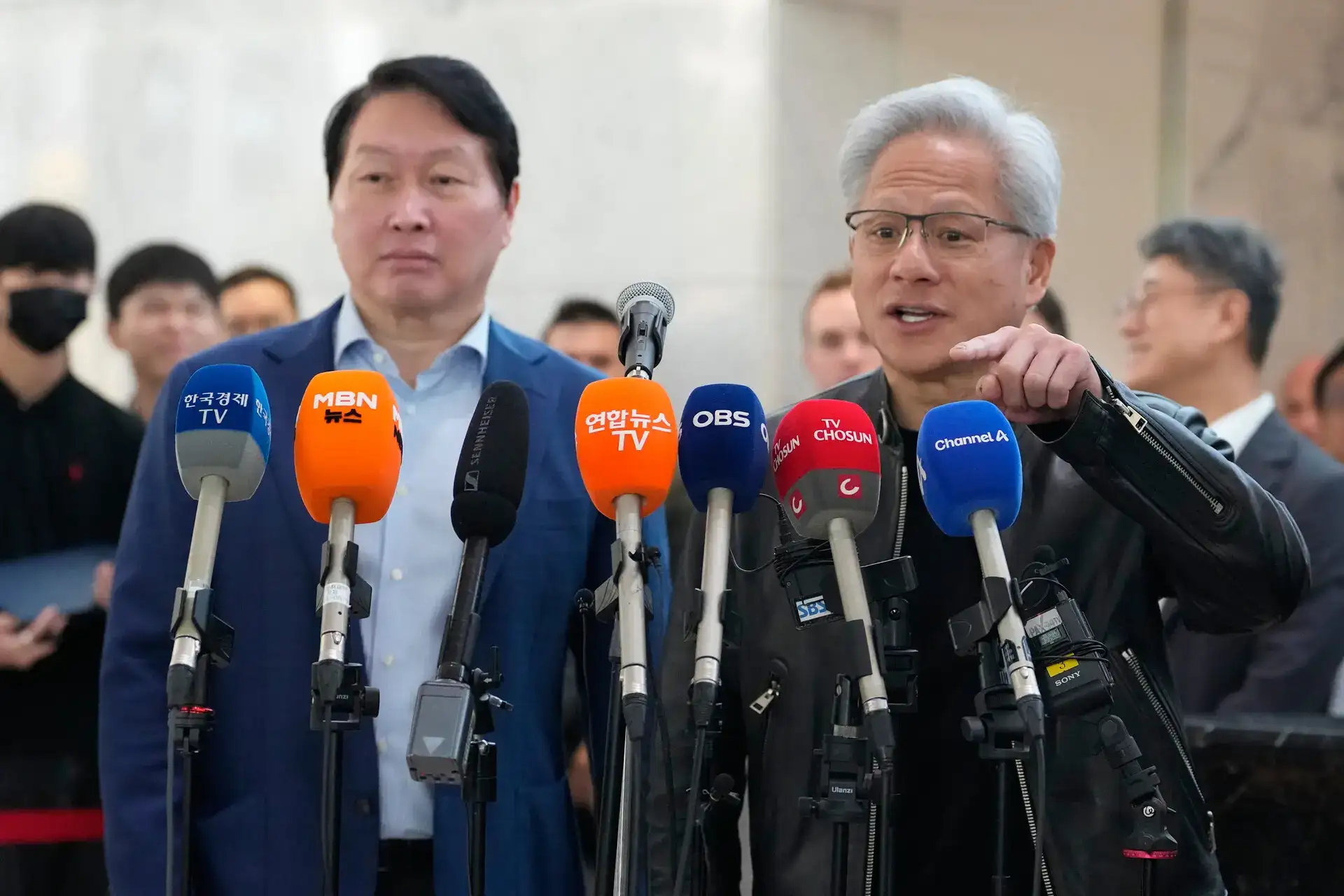
 Meera’s TLDR