Arjun & Meera · Today's brief
Pine Labs just posted a 4X profit jump on 20% revenue growth, and it matters because the payment consolidation story isn't about payments anymore—it's about who owns the merchant relationship layer in India's digital commerce. As quick commerce explodes (Swiggy just hired ex-Myntra CEO Nandita Sinha to turbocharge Instamart against Blinkit and Zepto), every transaction needs a rails provider. Pine's playbook shows that in a hyper-competitive QC war, the boring infrastructure business compounds faster than the flashy front-end. Watch how they're positioning for the next wave of fintech bundling.
That same infrastructure story scales differently when you zoom out: AI data centres will consume 26.3 GW by FY32, and builders obsessing over token-based SaaS pricing are about to learn what Pegasystems already figured out. They're ditching per-token billing for outcome-based pricing because infrastructure costs are eating margin—a signal that the AI gravy train isn't infinite and unit economics matter again. Builders shipping AI features into products need to model not just inference cost but customer willingness to pay for outcomes, not compute.
Consolidation is the other thread running hot. upGrad acquiring Unacademy at ₹1,955 Cr signals that edtech's unit economics haven't solved themselves, so scale through M&A is cheaper than growth. Meanwhile, healthtech has a different lever: 44.73 crore Ayushman cards issued give any health builder an insurance tail wind most founders would kill for. And SBI Life's 29% VNB growth despite three major regulatory headwinds shows that builders who design for regulation, not around it, survive the churn.
Watch this week how the next round of payments consolidation plays out—whether Pine Labs moves upstream into lending or gets acquired by a bank pretending it built something new.
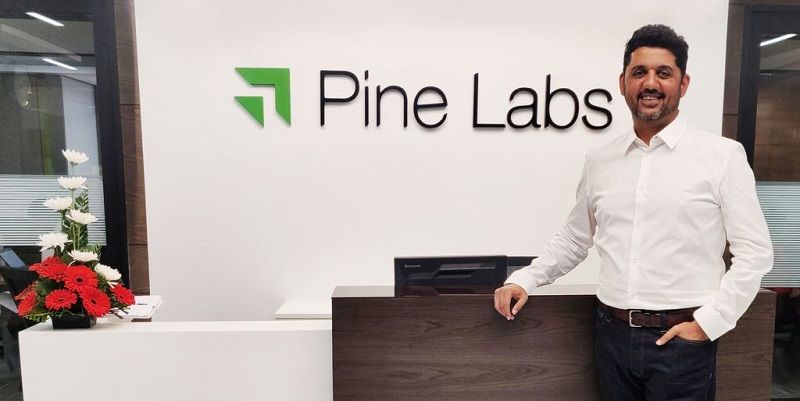
20%
Pine Labs revenue grew to Rs 737 crore, 20% higher than the same period last year, with net profit surging 4X. Builders should watch how consolidated payment infrastructure is scaling profitably as India's digital commerce deepens.

India's power ministry expects AI data centres to consume 26.3 gigawatts of electricity by fiscal year 2031-32. Builders in energy infrastructure, cooling tech, and distributed compute should prepare for massive scaling—this is the constraint that will shape the next AI boom in India.

Pegasystems, whose customers include many of the world's largest banks, is shifting from token-based billing to outcome-based pricing to manage AI infrastructure costs. SaaS founders should rethink unit economics—transparent, usage-based pricing may become a liability as LLM inference costs spike.

Swiggy appointed former Myntra CEO Nandita Sinha to lead Instamart as Blinkit, Zepto, Amazon, and Flipkart all expand QC networks aggressively. Builders in QC logistics, supply chain, or dark store tech should prepare for margin compression—this war will be won on unit economics, not growth rates.

₹1,955 Cr
EdTech major upGrad is in final stages of acquiring rival Unacademy in a ₹1,955 Cr transaction. Builders in edtech should expect further M&A consolidation—unit economics for course delivery are brutal, and scale is becoming table stakes.

WhatsApp Web now supports encrypted audio and video calls with call transfer, waiting room, QuickHD, and noise suppression features. Builders in communication or collab tools should note: encryption and web-first deployment are now table stakes, not differentiators.
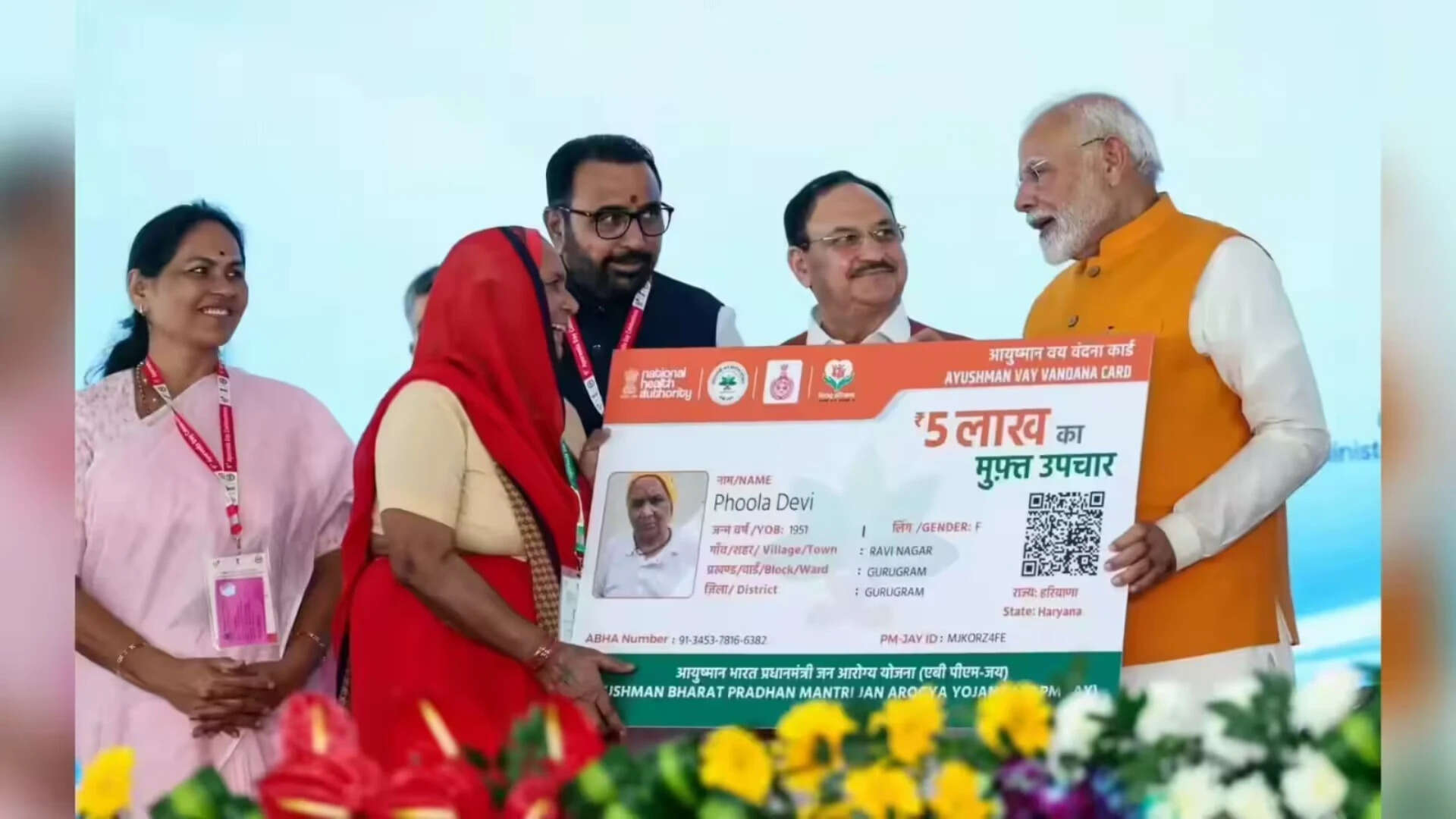
As of July 22, 2026, 44.73 crore Ayushman Bharat cards had been generated under AB-PMJAY. Healthtech builders should leverage this massive insurance base as a channel—claim processing, provider networks, and digital diagnostics are ripe for automation.
29%
SBI Life successfully navigated three major regulatory changes over three years—higher surrender values, removal of tax exemptions, and potential restrictions—while posting 29% value of new business growth. Insurtech builders should study how incumbents are absorbing regulation without collapsing unit economics—compliance partnerships may be more valuable than direct tech.
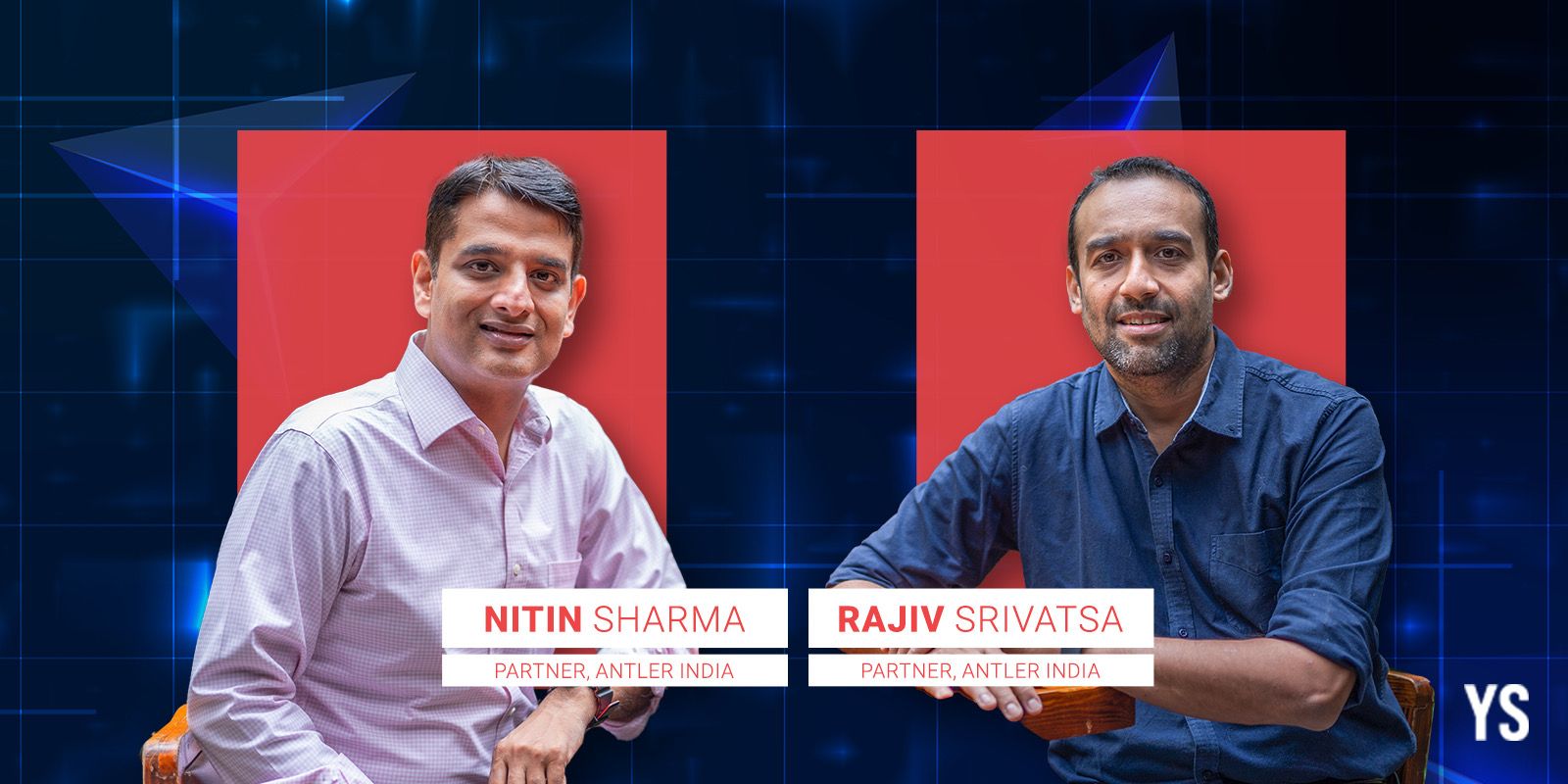
Antler India's latest startup cohort includes an autonomous cargo seaplane developer and a long-duration battery maker alongside AI-powered enterprise software. Deeptech builders should note: hardware + logistics (seaplanes for cargo) and energy storage (batteries) are now VC-fundable—the focus has shifted from pure R&D to deployment-ready systems.

TrusTerra operates a used EV marketplace built around proprietary battery health ratings, offering instant-sale and dealer auctions. Mobility builders should note: standardized health metrics unlock secondary markets—battery state-of-health (SoH) transparency is the foundation of EV circular economy adoption.

Hexvora emerged champion of BGMI: Naye Khiladi, a grassroots tournament by Nodwin that drew over 8,000 competitors. Gaming founders should study how tier-2/3 player monetization is growing—grassroots esports events are now high-engagement, high-volume funnels for sponsored content and in-game spending.

Ionic Digital, merging Bitcoin mining with AI infrastructure, went public at a $2.25B valuation but opened down 5.7% from Nasdaq's reference price. Web3 founders should note: the market is pricing in energy cost arbitrage and compute efficiency as core value drivers, not speculative upside—durable fundamentals now matter.
 Arjun’s TLDR
 Meera’s TLDR