India's AI productivity gains depend on scaling technology widely — Product Growth, 30 July
The essential morning brief for Indian product builders — every number sourced and dated, every industry covered.
30 July 2026 · Product Growth Daily Brief · Presented by Arjun & Meera · Editorial standards
🎧 Listen to this edition — Arjun & Meera, 30 July 2026
Arjun & Meera · Today's brief
Vijay Shekhar Sharma's call for AI champions with grassroots capability isn't just a funding plea—it's a signal that India's fintech and tech leaders are realizing the real moat won't be built in Bangalore labs. It'll be built by engineers who understand how to take bleeding-edge AI and wire it into products that work for 500 million Indians on 2G networks. Paytm's push matters because it's coming from someone who's already done the translation work once; the stakes now are whether we can do it at scale across sectors, not just payments.
The regulatory tide is shifting hard. The UK CMA is investigating whether Microsoft bundled Copilot into Microsoft 365 as a dark pattern—and if that probe lands, expect India's competition watchdogs to follow. Meanwhile, Goldman Sachs is forecasting generative AI will add 0.4 percentage points to India's labour productivity annually over the next decade, with healthcare and edtech leading the charge. What that math really says: AI adoption is coming, but distribution and governance will be the filters. Companies that figure out how to move AI downmarket without stepping into regulatory tripwires will own the next cycle.
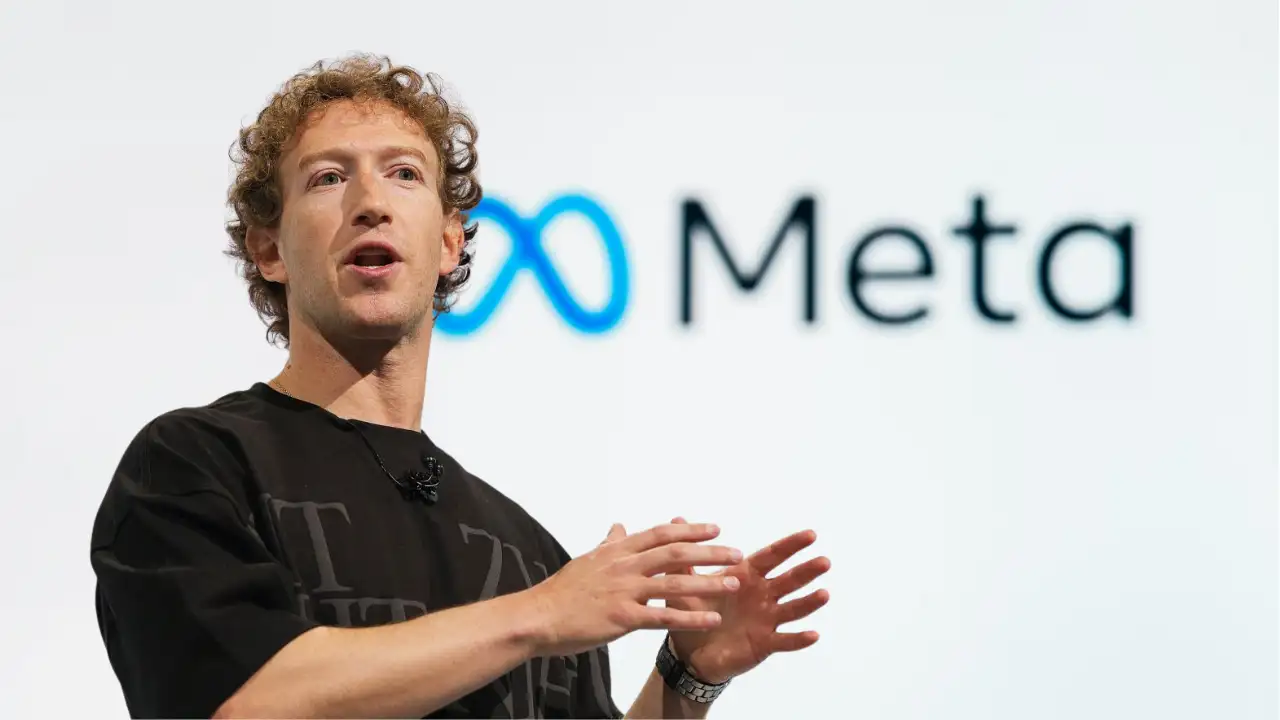
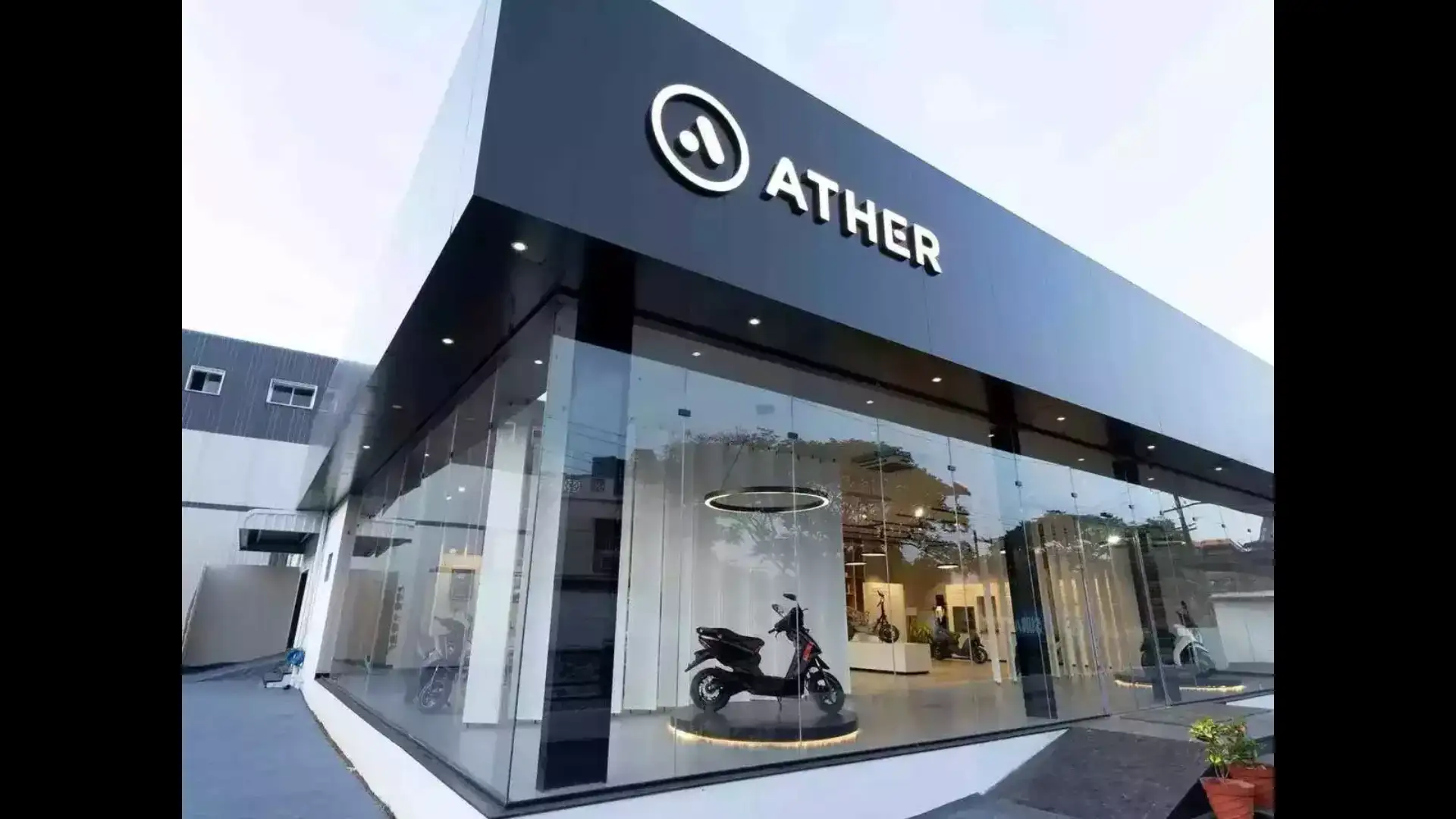
Meta's free cash flow tanking 91% (down to $784M from $8.55B year-on-year) while it dumps billions into AI capex is the other side of that coin. That's the cost of betting the company. Zepto deferring its IPO over a $2.5–3B valuation gap shows markets are getting real about which bets actually pay back. And Ather's pothole detection—using connected fleet data to power road intelligence—is a quieter example of how the next layer of defensibility gets built: by turning product usage into infrastructure. Manipal Health's anchor-backed IPO opening, despite slow public uptake, signals healthtech still has structural tailwinds, but investor skepticism is thickening.
Watch what founders do this week with their AI hiring and vendor strategy. If you're pre-Series A or Series A, the gap between building AI-enabled products and building commodity features is about to widen fast. Talk to your legal team about bundling practices before you scale—and map which of your user segments actually need (not just want) the AI layer you're building.
Paytm founder Vijay Shekhar Sharma says India needs many more AI champions with grassroots capability and is calling for greater investment in AI talent and capability building. Builders should watch: the infrastructure gap between AI ambition and mass-market deployment is real—whoever bridges it first owns the distribution layer.
The UK Competition and Markets Authority launched a probe into whether Microsoft misled personal and family customers by adding Copilot AI assistant to Microsoft 365 subscriptions without additional cost initially. SaaS founders should note: bundling AI features for 'free' now triggers regulatory scrutiny—expect this to spread as a playbook for antitrust enforcement on AI.
Zepto is considering delaying its public listing as negotiations stall over investor pushback on valuation—reports suggest investors are targeting $2.5–3B, a significant reset from higher private market prices. Founders should read this as: the 2024 IPO window for loss-making, high-burn models is closed. Zepto's delay is the market's way of repricing risk.
Goldman Sachs forecasts generative AI will enhance India's labour productivity by 0.4 percentage points annually over the next decade, with healthcare and education seeing the most notable gains through task automation. EdTech builders: this is your mandate—build for productivity augmentation, not automation. Courses on 'AI for [domain]' are table stakes; tools that embed AI into learning workflows will capture the margin.
Meta reported free cash flow of $784M in Q2 (ended June 30), down 91% from $8.55B a year earlier, as aggressive AI spending hit margins and sent shares down 10% in extended trading. Consumer startups should read this as: the FAANG efficiency playbook has shifted. Profitability is being traded for AI moat-building. If you're a consumer app trying to compete against these players, your only edge is vertical focus or data network effects they can't easily copy.
Manipal Health collected ₹4,167 Cr from anchor investors and opened public subscription with 6% initial uptake (as of 1:30 PM NSE reporting). This signals: the market is pricing healthcare infrastructure differently post-COVID. Healthtech builders should note the shift from clinic-enablement to hospital-chain valuations. If you're not targeting 50+ bed networks or specialty clusters, you're fighting the tide.
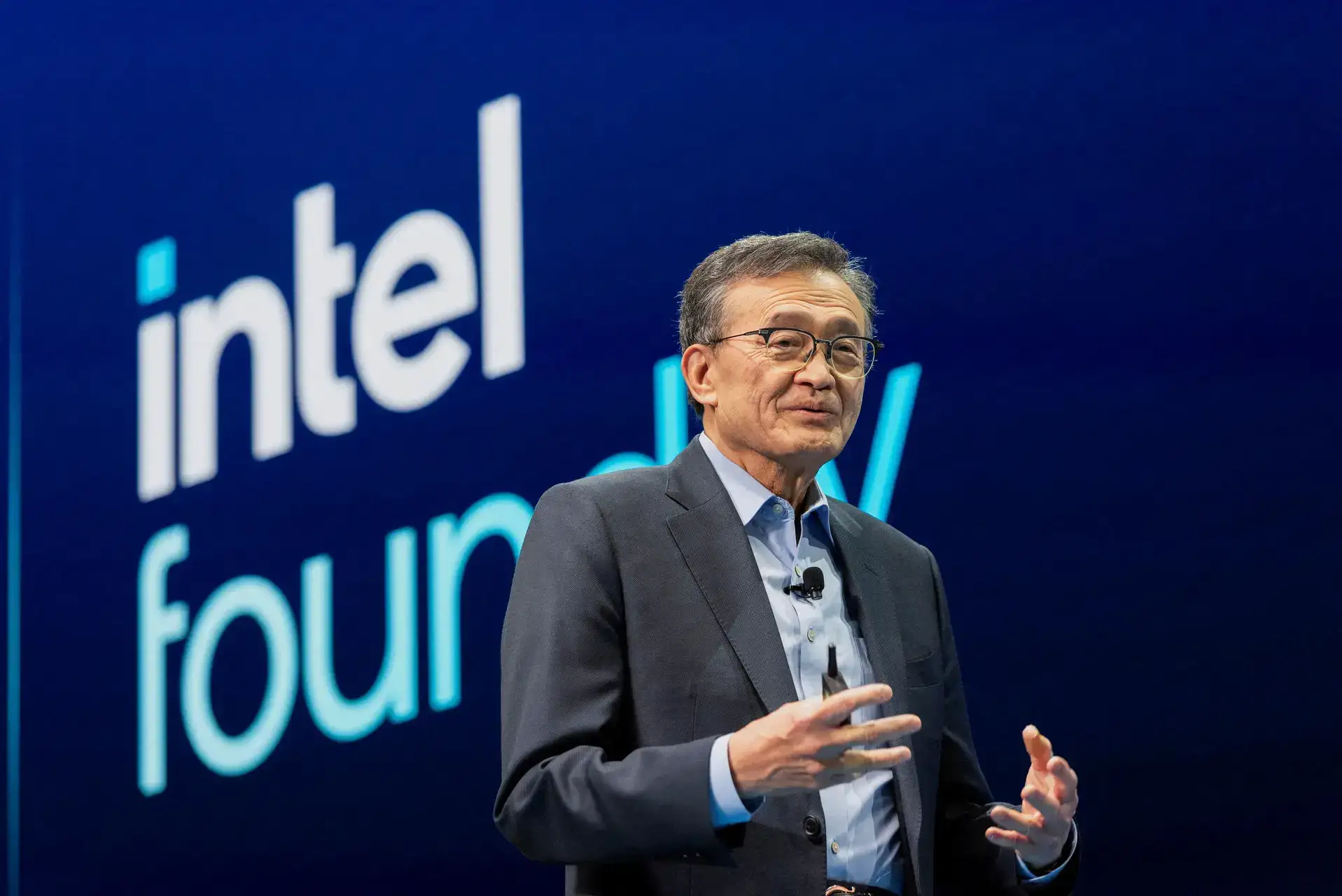
Intel granted processor technology access to a new startup, marking a rare move for the chipmaker and reportedly involving a co-investor of CEO Lip-Bu Tan, per Reuters reporting. Deeptech signal: tier-1 chip makers are de-risking startups by sharing early IP. Builders should read this as: if you're building custom silicon or AI accelerators, reaching out to Intel, AMD, or Arm for partnership (rather than competing head-on) is now table stakes.
Ather Energy deployed pothole alerts, broken road detection, and speed breaker warnings on Gen 2+ electric scooters, powered by road intelligence from its connected fleet. Mobility builders should note: the data moat just shifted from customer acquisition to infrastructure quality. In 18 months, scooter choice will be based on 'who has the best road intel'—not price or range.
Xbox is turning Gamescom 2026 into its biggest showcase, highlighting blockbuster releases including Modern Warfare 4, Fable, and Gears titles as it marks its 25-year anniversary. Gaming signal: AAA studios are consolidating around first-party IP and live-service models. Indies should read this as: if you're competing on graphics or scale, you've already lost. Build for niche audiences or vertical gameplay loops.

 Arjun’s TLDR
 Meera’s TLDR