AI4Bharat breakthrough enables product builders serve India's linguistic diversity — Product Growth, 9 August
The essential morning brief for Indian product builders — every number sourced and dated, every industry covered.
9 August 2026 · Product Growth Daily Brief · Presented by Arjun & Meera · Editorial standards
🎧 Listen to this edition — Arjun & Meera, 9 August 2026
Arjun & Meera · Today's brief
The Finance Ministry just locked in the biggest consumer win for Indian fintech: no UPI charges, period. That settles months of MDR debate and means the infrastructure that powers everything from ₹5 paytm recharges to ₹50,000 B2B payments stays free at point of use. For builders, this is clarity—you can keep scaling payment flows without the regulatory whiplash that nearly killed UPI's unit economics.
But today also shows the cost of that clarity elsewhere. Delhivery's numbers tell the brutal truth: 28% revenue growth to ₹2,931 crore masking a 65% profit collapse to ₹32 crore. Scale without margin is a trap, and every logistics, delivery, and supply-chain builder watching this knows it. The race to unit volumes is over; whoever figures out profitable density wins the next decade.
Meanwhile, AI is finally localizing. IIT Madras' AI4Bharat is teaching models to understand Indian dialects and languages for chat, translation, and Q&A—the exact opposite of one-size-fits-all LLMs. And Karnataka's move to partner with Anthropic on fraud detection and exam security shows governments are ready to fund AI that solves hyperlocal problems. If you're building for Bharat, this week matters: dialect-aware models and governance use cases are no longer nice-to-have.
One thread ties these together: UPI stays friction-free for consumers, Delhivery proves scale without profitability is death, and AI4Bharat proves hyperlocal beats global. Watch how LIC's pivot to higher-ticket policies and agent rationalization plays out—distribution economics are shifting everywhere, and whoever owns the profitable customer wins.
The Finance Ministry categorically clarified that consumers will not face charges on UPI transactions, settling the merchant discount rate (MDR) debate. Builders in payments should expect the revenue pressure to shift entirely to merchant tiers—design pricing models that differentiate by transaction size and merchant tier, not consumer friction.
Researchers at IIT Madras' AI4Bharat are collecting voices across India and building dialect-aware AI models for chat, translation, and Q&A. Builders of consumer AI should contribute or license dialect datasets early—language-first AI will unlock 300+ million non-English users, but only if you've trained on authentic, regional voice data.
Delhivery reported consolidated net profit sinking 65% to ₹31.9 crore from ₹91.1 crore despite revenue jumping 28% to Rs 2,931 crore. Logistics and supply-chain builders should flag this as a cautionary tale: scale without unit-level profitability is a treadmill—audit your variable costs per shipment ruthlessly, because growth at negative margins will eventually exhaust capital.
Karnataka CM D.K. Shivakumar sought Anthropic's expertise on using AI to reduce fraud in government systems and improve exam question-paper security. Edtech and governance-tech builders should proactively approach state governments with AI solutions for fraud detection and exam administration—the state procurement window is opening, and early movers will capture multi-year contracts.
YouTube shut down Mohammad Irfan's channel 'Main Irfan' following overnight viral success, displaying only a generic Terms of Service violation message with no appeals clarity. Consumer-facing creators and platforms should implement transparent appeal mechanisms and violation explanations—blanket account terminations without context erode creator trust and invite regulatory scrutiny.
AGS Health, backed by Blackstone, filed updated SEBI papers following a confidential filing in April, proposing a ~$3 billion valuation. Healthtech founders should benchmark AGS Health's unit economics and growth trajectory—at 3B valuation, the bar for IPO-ready healthtech is clear: profitable or near-profitable healthcare operations, strong recurring revenue, and 30%+ margins.
LIC is reducing low-productivity agents while betting on higher-ticket policies to improve persistency and support profitable growth. Insurtech and distribution-tech builders should prepare for a shift toward higher-value customers and digital channels—traditional agent networks are shrinking; invest in direct-to-consumer, workplace, or corporate health insurance platforms instead.
Apple posted record June-quarter revenue of $109.4 billion with 50.1% gross margin, including a 2-percentage-point boost from tariff refunds, but flagged rising memory chip prices as a headwind. Semiconductor and chipset builders should expect Apple and other OEMs to intensify partnerships and on-shoring efforts to mitigate price volatility—vertical integration and long-term supply contracts will become competitive imperatives.
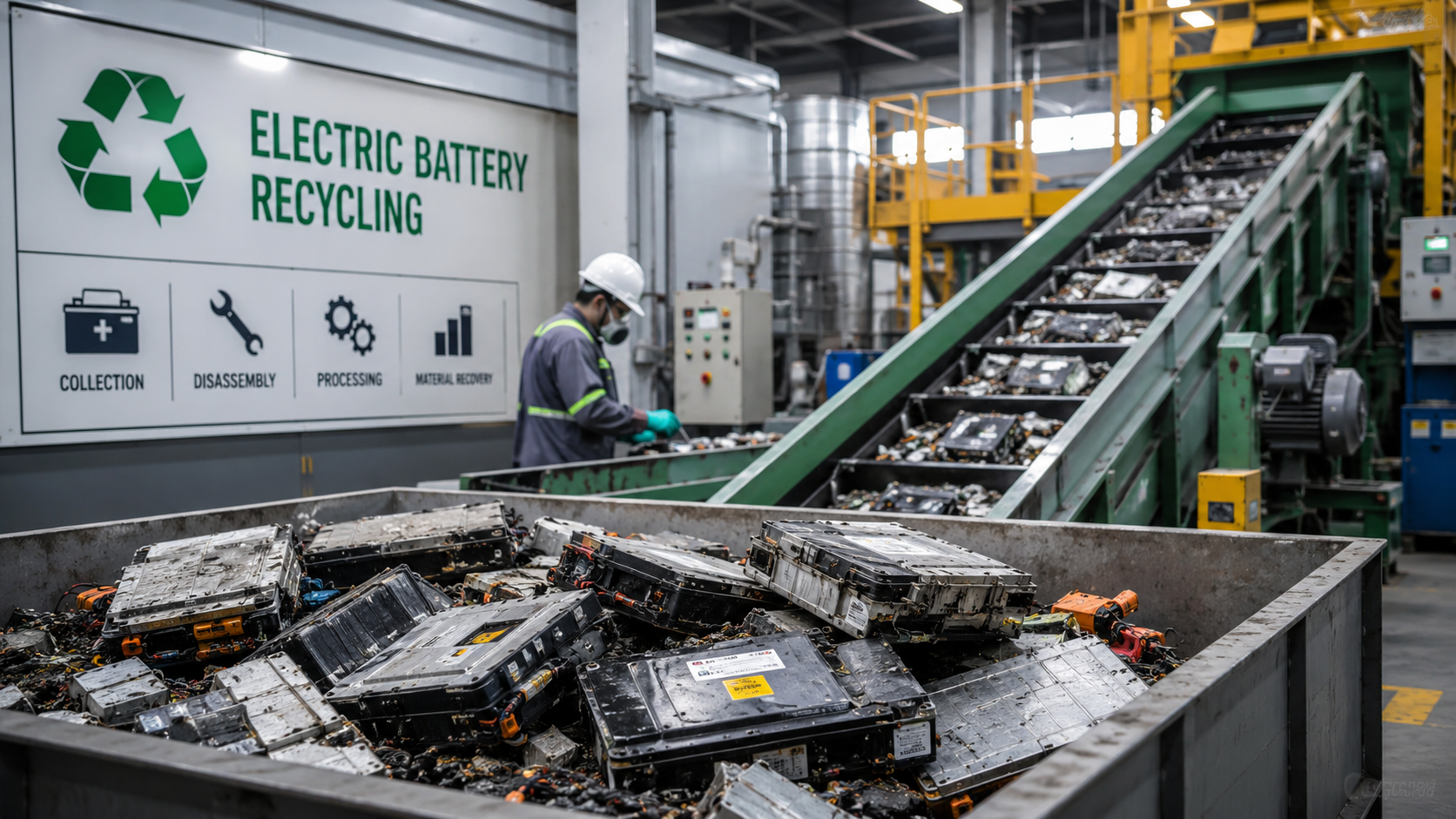
As EV adoption scales, end-of-life batteries are emerging as a source of critical minerals; building a robust battery recycling ecosystem is key to India's resource security, manufacturing resilience, and clean energy future. EV-tech and energy builders should invest in battery recycling infrastructure or partnerships early—this is a 5-10 year runway before the recycling problem becomes acute, but first-mover advantage in collection and refurbishment is significant.

 Arjun’s TLDR
 Meera’s TLDR