AI Becomes Essential Infrastructure Layer for Indian Fintech Builders — Product Growth, 11 August
The essential morning brief for Indian product builders — every number sourced and dated, every industry covered.
11 August 2026 · Product Growth Daily Brief · Presented by Arjun & Meera · Editorial standards
🎧 Listen to this edition — Arjun & Meera, 11 August 2026
Arjun & Meera · Today's brief
The RBI's formalized ban on NBFC revolving credit is the watershed moment fintech builders need to reckon with today. After nearly two years of warnings, the central bank has moved from signaling to regulation—and this isn't bureaucratic theater. Revolving credit (buy-now-pay-later, credit lines, auto-renewal products) has been the growth engine for dozens of fintech startups. That engine just got switched off for non-banks. What matters: this forces a brutal product reset. Either pivot to RBI-regulated banking partnerships, or watch your unit economics evaporate.
The timing reveals a deeper regulatory philosophy. While the RBI clamps down on unsecured lending infrastructure, India's fintech ecosystem is simultaneously racing toward AI-driven autonomous decision-making—per the ASSOCHAM-KPMG report. The paradox is real: regulators want safer lending practices, but builders are automating credit decisions deeper and faster. This collision point is where your next competitive edge lives. The winners won't be the fastest to deploy AI; they'll be the ones who bake compliance into the model itself, not bolt it on after.
Watch how Zomato's quiet spinoff of Nugget (an enterprise AI venture from Eternal) reshapes this picture. B2C giants are mining operational data to build B2B AI products—a pattern that will accelerate as consumer apps face margin pressure and saturation. Meanwhile, healthtech builders should note that healthcare costs have surpassed job security as the top financial worry for corporate employees. That's market signal, not noise. The corporate wellness and employer-sponsored healthcare space just got a tailwind.
The regulatory timelines matter too: IRDAI's commission restructuring won't land before April 2027, but crypto clarity in the US Senate could move faster post-recess. For deeptech, GalaxEye's acquisition of StarOps shows vertical integration winning—build the engineering layer in-house, not via partnerships.
This week: audit your fintech product roadmap against the NBFC revolving credit ban. If you're reliant on that model, you have weeks, not months, to pivot.
The Reserve Bank has formalized its near-two-year messaging into a regulatory proposal to ban non-bank lenders from offering revolving credit facilities. Builders in the NBFC fintech space need to pivot lending models away from revolving structures—this isn't guidance, it's a regulatory endpoint.
India's fintech ecosystem is shifting AI from operational automation to autonomous decision-making capability, per ASSOCHAM-KPMG. Builders should stop thinking of AI as a feature and start architecting it as the foundational decision engine—compliance, credit, fraud, pricing all run through it now.
Capillary Technologies International offloaded shares in listed SaaS company Capillary Technologies, signaling a potential founder exit or diversification. Watch founder liquidity events in listed SaaS—they often precede strategic pivots or signal the company has peaked in its current form.
Zomato's Eternal has quietly spun off Nugget, an enterprise AI venture, signaling that B2C mega-apps are now incubating B2B AI products from operational data. Builders should watch this pattern: consumer platforms mining operational data to launch SaaS—it's a new go-to-market for B2B startups disguised as internal tools.
Per IFSC AI Survey, nearly a third of entities expect AI to drive significant re-skilling and job transformation rather than net job losses. EdTech builders should pivot positioning: you're not competing on doom narratives anymore. Frame AI as a re-skilling accelerator and capitalize on enterprise upskilling budgets.
The 9th U.S. Circuit Court of Appeals rejected Meta and TikTok's appeal to overturn a lower court ruling, forcing them to face 3,000+ federal addiction lawsuits. Consumer app builders should watch: regulation-by-litigation is crystallizing around engagement and behavioral design. Design decisions that maximize session time are now legally exposed.
Study shows healthcare costs have become the primary financial stressor for India's corporate workforce, exceeding job security and loan repayment concerns. HealthTech builders should pivot positioning: corporate wellness and insurance are no longer HR perks—they're employee retention crises. Build for employer-sponsored models and workplace integration.
IRDAI's proposed insurance commission restructuring won't come into force before April 2027 due to extensive consultation and rule-making timelines, per former IRDAI member Nilesh Sathe. InsurTech builders should use this 8+ month window to model how new commission structures impact unit economics—ambiguity is ending, but the transition window is long enough to plan.
GalaxEye acquired Bengaluru-based StarOps (founded from TeamIndus) to deepen satellite engineering capabilities in-house. For deeptech space founders: vertical integration is becoming table stakes. You can't outsource critical engineering—build or acquire it. Investors will expect in-house competency over vendor dependencies.
Yulu and Bounce Infinity are actively fundraising as delivery demand accelerates, signaling renewed investor interest in last-mile mobility. For micro-mobility builders: delivery economics have shifted from passenger transport to logistics. If your unit economics depend on commuter riders, you're chasing a smaller TAM—retool for B2B delivery or face capital constraints.
Esports Federation of India announced final contingents for BRICS Esports Championship and Global Esports Games 2026, signaling institutional backing for competitive gaming in India. Gaming builders should treat esports infrastructure as a serious vertical—government-backed tournaments are legitimizing competitive gaming as a career path, not just entertainment.
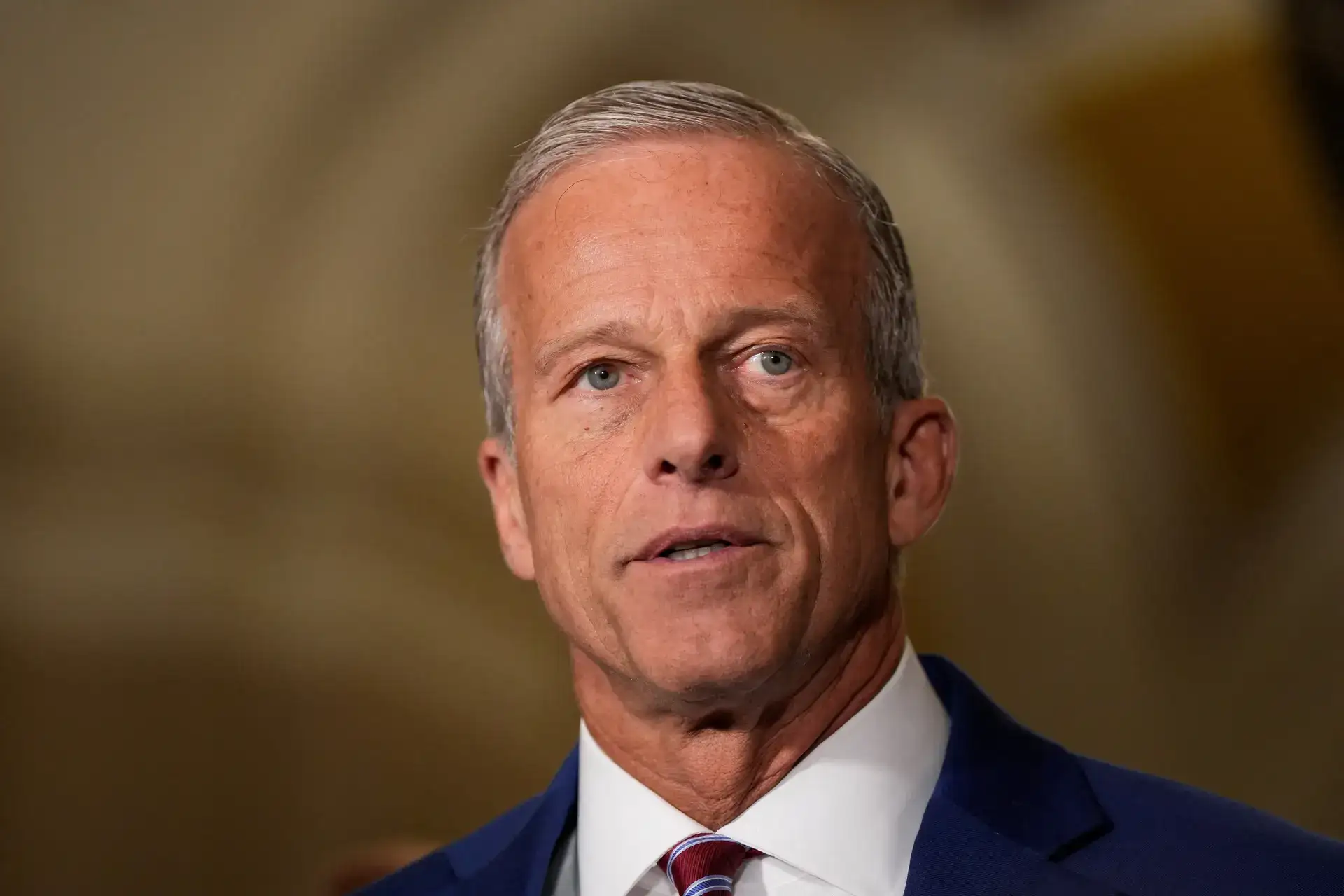
Republican John Thune filed for a key procedural vote on the Clarity Act when the Senate returns mid-September, potentially clearing the path for a full floor vote. For Web3 builders in U.S.-exposed markets: regulatory clarity is moving from uncertainty to legislation. Assume the Clarity Act or similar framework will pass—align your compliance and custody models to pending legislative definitions now, not after passage.
 Arjun’s TLDR
 Meera’s TLDR