The essential morning brief for Indian product builders — every number sourced and dated, every industry covered.
15 August 2026 · Product Growth Daily Brief · Presented by Arjun & Meera · Editorial standards
🎧 Listen to this edition — Arjun & Meera, 15 August 2026
Arjun & Meera · Today's brief
The payments world just tilted. Stripe and Advent International's $60.50/share bid for PayPal isn't just M&A theater—it's a referendum on what happens when a category leader loses momentum. PayPal built the payments internet; now a fintech challenger and PE are essentially saying the market thinks it's worth less than it should be. For builders in payments, this matters because it signals where capital sees the real gaps: Stripe's API-first model, lower fees, better developer experience. The bid also tells you something harder to admit—market dominance doesn't survive product stagnation. If you're building in fintech, watch how PayPal's board responds this week. Do they fight or fold?
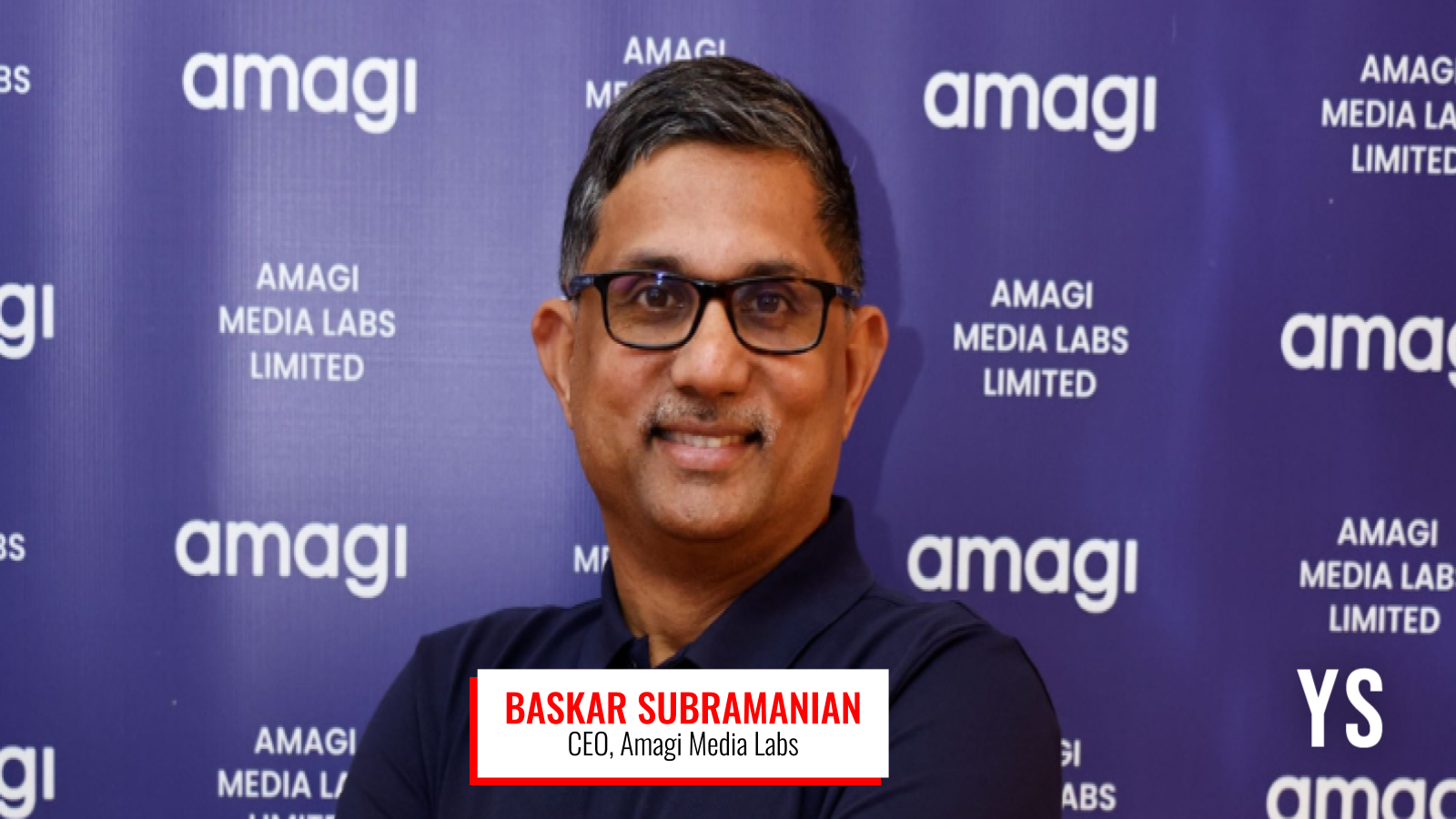
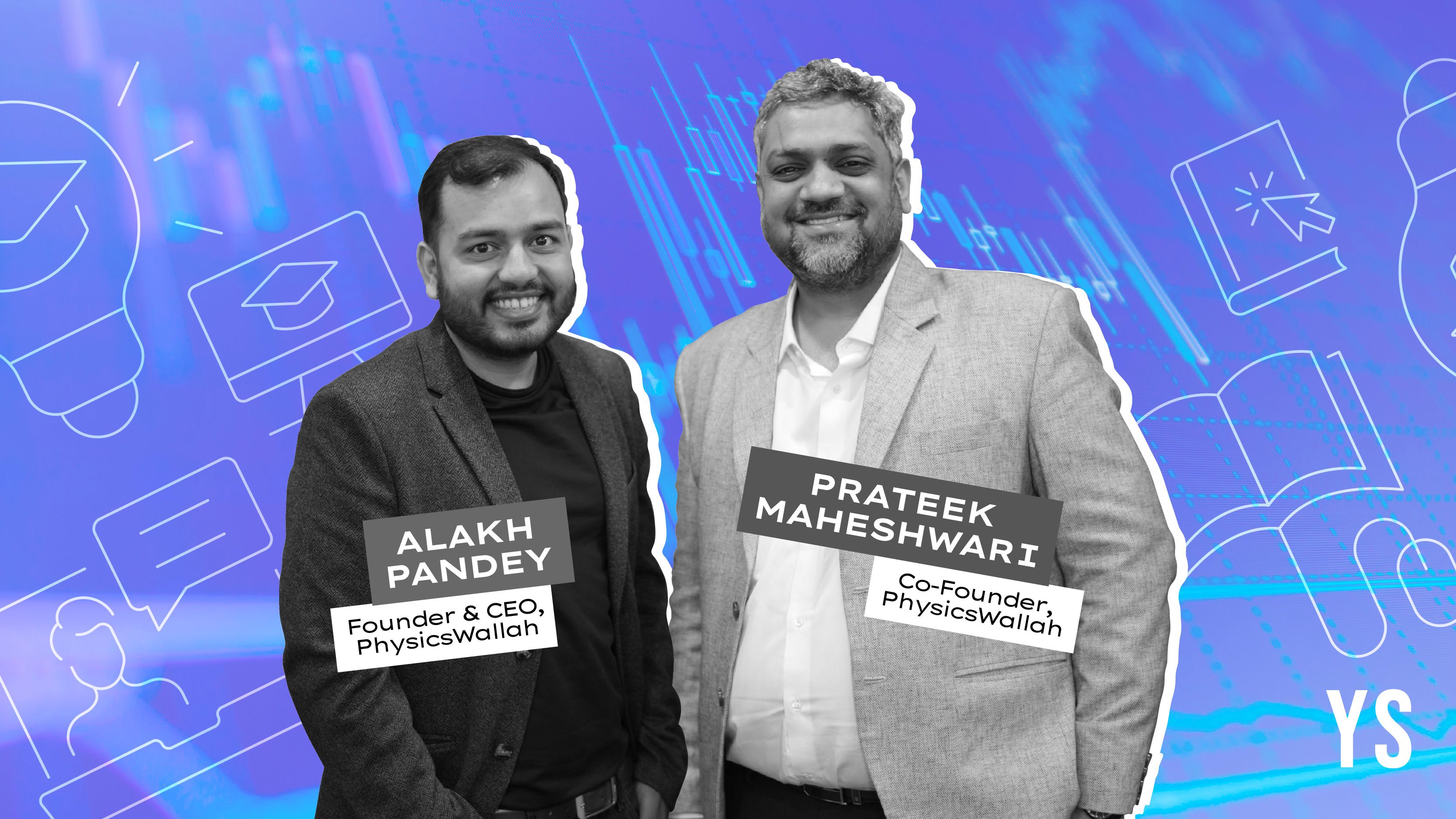
The profitability wave is real, and it's Indian. Amagi hit ₹437 crore in Q1 revenue with 32.4% YoY growth and a net profit surge. PhysicsWallah crossed ₹1,053 crore in quarterly revenue, trimmed losses by 31%, and printed positive EBITDA of ₹52 crore. Turtlemint cut net losses 19% while scaling operating revenue 40%. This isn't coincidence—it's proof that Indian SaaS and edtech founders have finally cracked unit economics at scale. The playbook works: build for emerging markets where willingness-to-pay is real, scale ruthlessly, then flip the lever to profitability. If you're still in the "growth at all costs" phase, these numbers are your timer.
But profitability comes with regulatory friction. Maharashtra's FDA just suspended licenses for 14 dark store operations across Blinkit, Zepto, and Instamart—a sharp reminder that quick commerce's unit economics depend on regulatory blind spots that won't stay blind forever. Meanwhile, France's constitutional court blocked an under-15 social ban, a small loss for regulators but a pattern: governments are skeptical of platform bans, preferring softer controls. Both point to the same thing: builders can't plan around regulatory uncertainty anymore. Dark stores, age gates, data residency—these aren't edge cases.
Watch Stripe's next move if PayPal's board opens talks. And if you're in a high-growth, thin-margin category (quick commerce, social, edtech)—start stress-testing your model against the regulatory version of your business, not the market version.
Stripe and private equity firm Advent International jointly offered to acquire PayPal at $60.50 per share in July, valuing the payments giant at approximately $53 billion. Builders should track this deal's regulatory path—if closed, it signals consolidation pressure across fintech infrastructure and may reshape API partnerships for Indian payment integrations.
Nvidia and OpenAI are nearing an agreement where the chipmaker will provide financial backing only for the first phase of the Ohio data centre project, with a deal possibly signed by weekend. Builders should note: large-scale AI infrastructure deals are becoming staged and risk-adjusted; assume capital constraints will shape model deployment models for Indian AI startups.
Amagi's Q1 revenues reached ₹437 crore—its highest quarterly revenue—with 32.4% year-on-year growth, while net profit surged. This is proof Indian SaaS can hit profitability at scale; founders should benchmark Amagi's CAC payback period and net dollar retention to validate unit economics in media/broadcast SaaS.
Maharashtra's Food and Drug Administration suspended licenses for 14 food business establishments linked to quick commerce players Blinkit, Zepto, and Instamart. Builders should expect state-level regulatory tightening on dark store operations; ensure compliance with food safety, inventory disclosure, and storage standards across all locations.
PhysicsWallah's Q1 FY27 revenue reached ₹1,053.95 crore with 24% year-on-year growth and positive EBITDA of ₹52 crore, though consolidated net loss was ₹88.28 crore and down 31% year-on-year. The gap between operating profit and net loss suggests aggressive capex or subsidiary burn; builders should separate unit economics (core tutoring) from group-level expansion strategies.
France's constitutional court blocked a bill that would have barred children under 15 from opening social media accounts starting September 1, citing concerns over age verification and enforcement. Builders in social platforms should expect regulatory approaches to vary drastically by geography; one-size-fits-all age gates will not survive legal scrutiny.
KD Cancer Centre is developing a comprehensive cancer care approach combining multidisciplinary expertise, advanced surgery, and patient support services. Builders in oncology or speciality care should note: integrated care delivery (clinical + support) is now a competitive differentiator in India's healthtech landscape.
Recently listed insurtech Turtlemint trimmed Q1 FY27 net loss 19% year-on-year to ₹37.8 crore while growing operating revenue 40%. Loss reduction amid strong top-line growth signals improving path to profitability; investors are tracking unit-level economics closely in insurtech, so builders should highlight CAC payback and LTV/CAC ratios.
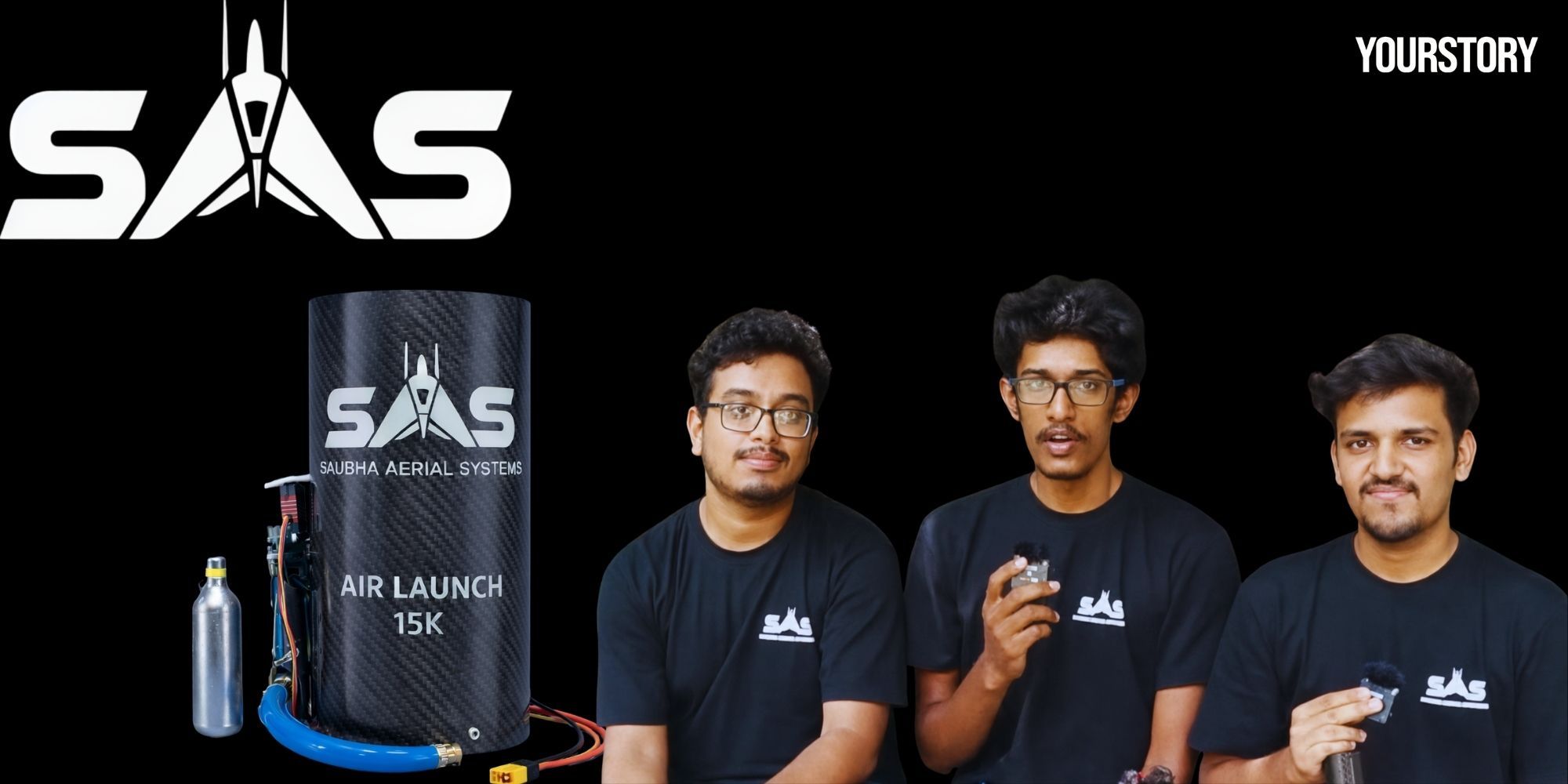
Bengaluru-based Saubha Aerial Systems has developed an autonomous parachute trigger for drones to address motor failures and has tested a netgun for capturing hostile drones. Builders in drone ops or autonomous systems should recognize that safety-first design (redundancy, failsafes) is now table-stakes for regulatory approval and enterprise deployment.
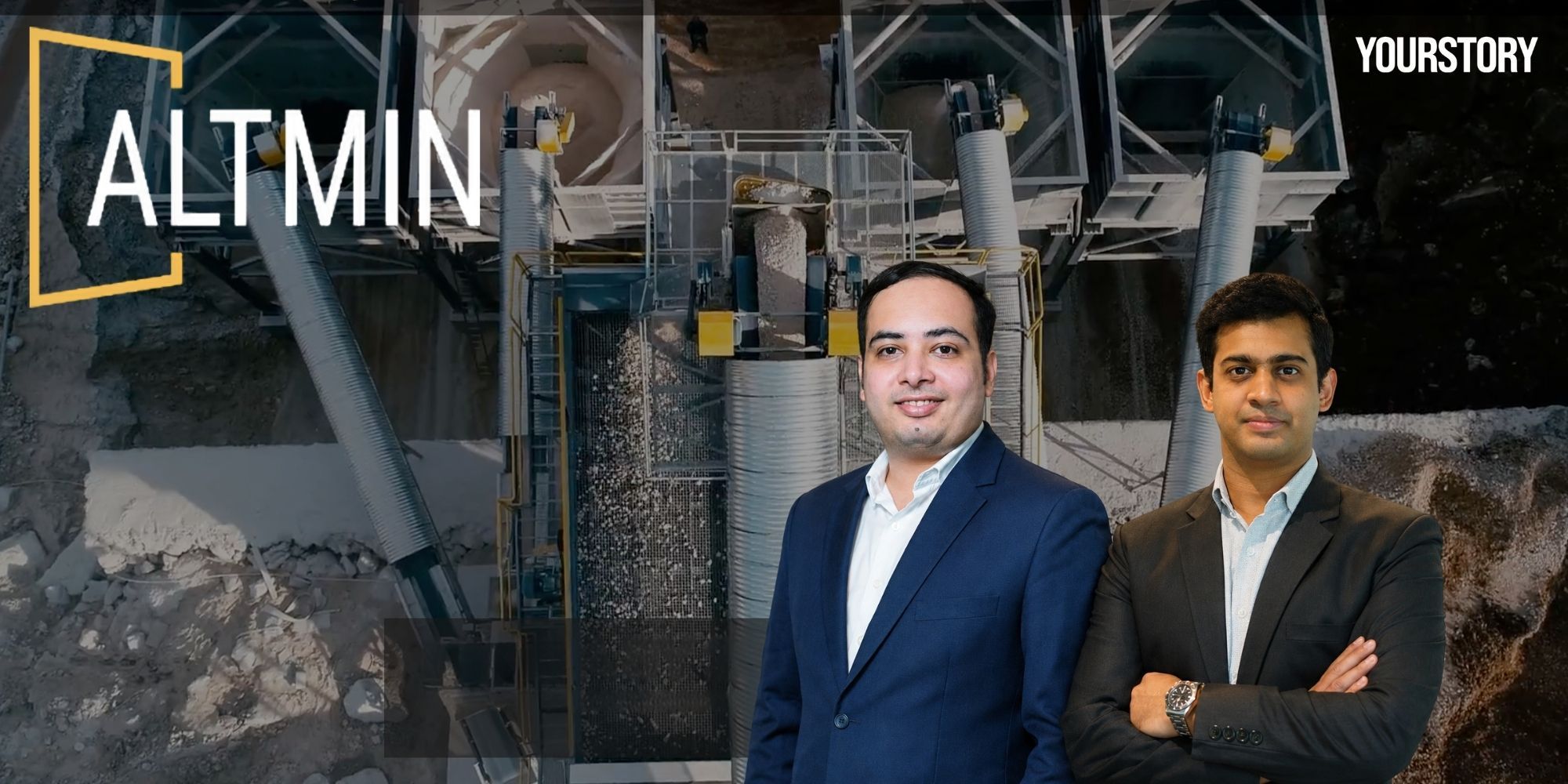
Hyderabad-based Altmin is building India's first factory to produce lithium iron phosphate (LFP) cathode active material, the single most expensive component in a battery cell, which India currently imports almost entirely. This is critical supply chain localization; EV and battery builders should track Altmin's capex timelines and price competitiveness—domestic cathode production could unlock cost advantages for Indian EV makers.
Netflix is closing Night School Studio, maker of Oxenfree, and Moonloot Games, just six weeks after releasing the horror experience Unhinged, to prioritize kids titles and mainstream games. Gaming within streaming is still unprofitable at scale; indie game builders should watch: platform consolidation favors mass-market titles, not niche experiences.
Securitize shares fell 20% in after-hours trading after Q2 revenue came in at $14.4 million against analyst expectations of $20.6 million; real-world asset (RWA) tokenisation adoption is slower than anticipated. Builders in tokenisation should prepare for longer sales cycles and regulatory gatekeeping; RWA is real but enterprise adoption will lag hype by 18-36 months.
 Arjun’s TLDR
 Meera’s TLDR