PM Modi Announces AI Skilling Initiative For One Crore Youth — Product Growth, 16 August
The essential morning brief for Indian product builders — every number sourced and dated, every industry covered.
16 August 2026 · Product Growth Daily Brief · Presented by Arjun & Meera · Editorial standards
🎧 Listen to this edition — Arjun & Meera, 16 August 2026
Arjun & Meera · Today's brief
The real story today isn't Modi's AI skilling announcement—it's that India's fintech and SaaS founders are finally choosing growth over quick profits, and the market is rewarding them for it. NewTap Finance doubled profits to ₹2.4 Cr, sure, but watch what's happening in the noise: Zaggle burned through margin while scaling revenue 28%, Turtlemint is trimming losses at 40% revenue growth, and Shiprocket just closed an IPO at 99.38x oversubscription. These aren't contradictions. They're the sound of builders understanding that in India's scale game, you either invest aggressively now or you don't scale at all. The market is pricing in their bet.
But here's the catch—and why Modi's 1 crore youth AI skilling push matters to you. The government is essentially signaling that AI talent will be abundant and cheap within 12 months. If you're building fintech or SaaS, that changes your hiring calculus immediately. Simultaneously, the free online coaching initiative for 1 crore youth is a direct shot at edtech's margin structure. These aren't random speeches; they're policy forcing a reset in how founders should think about unit economics and competitive moats.
The third thread tying this together is regulation's creeping shadow. Meta's reduced hate speech enforcement in India, Max Healthcare's pushback on price caps—these aren't isolated. They signal that India's regulatory environment is becoming more founder-friendly on enforcement but more scrutinizing on margins and margins. The winners this cycle will be those building defensible tech, not those relying on regulatory arbitrage. Ola Electric's pivot into battery storage (beyond scooters) and Shiprocket's blockbuster IPO both suggest builders are hedging: diversify the revenue stream, go public when windows are open.
Watch this week for how funded fintech and SaaS founders respond to the talent supply shock—are hiring plans accelerating or freezing? That'll tell you if the market truly believes in the AI skilling narrative or sees it as PR cover for margin compression ahead.
CRED-backed NBFC NewTap Finance reported a net profit of ₹2.4 Cr in FY26 ended March 31, 2026, per Inc42. For fintech NBFCs chasing profitability, this signals the lending-as-a-service layer is maturing—but margins remain tight, so focus on unit economics and customer stickiness.
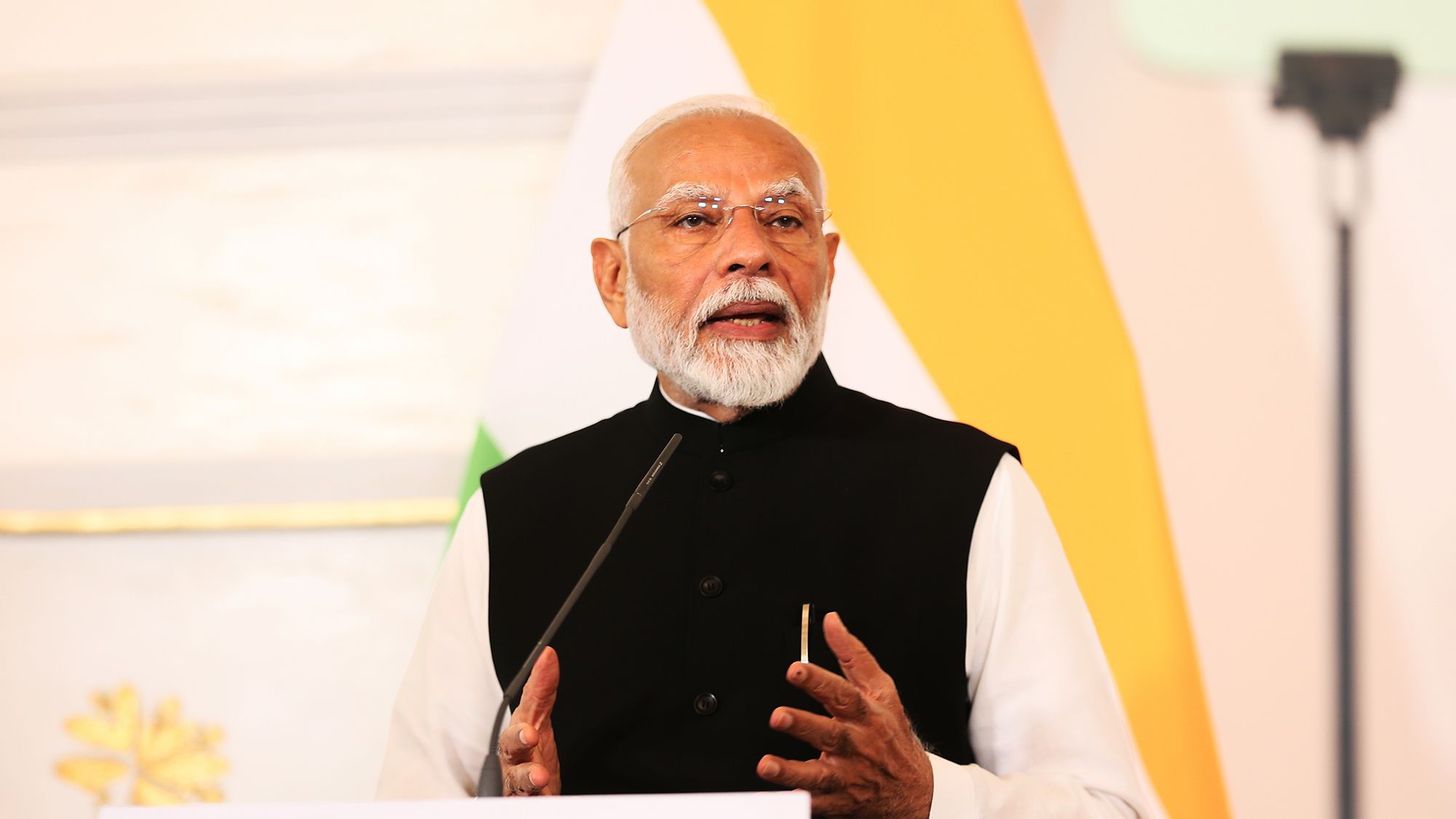
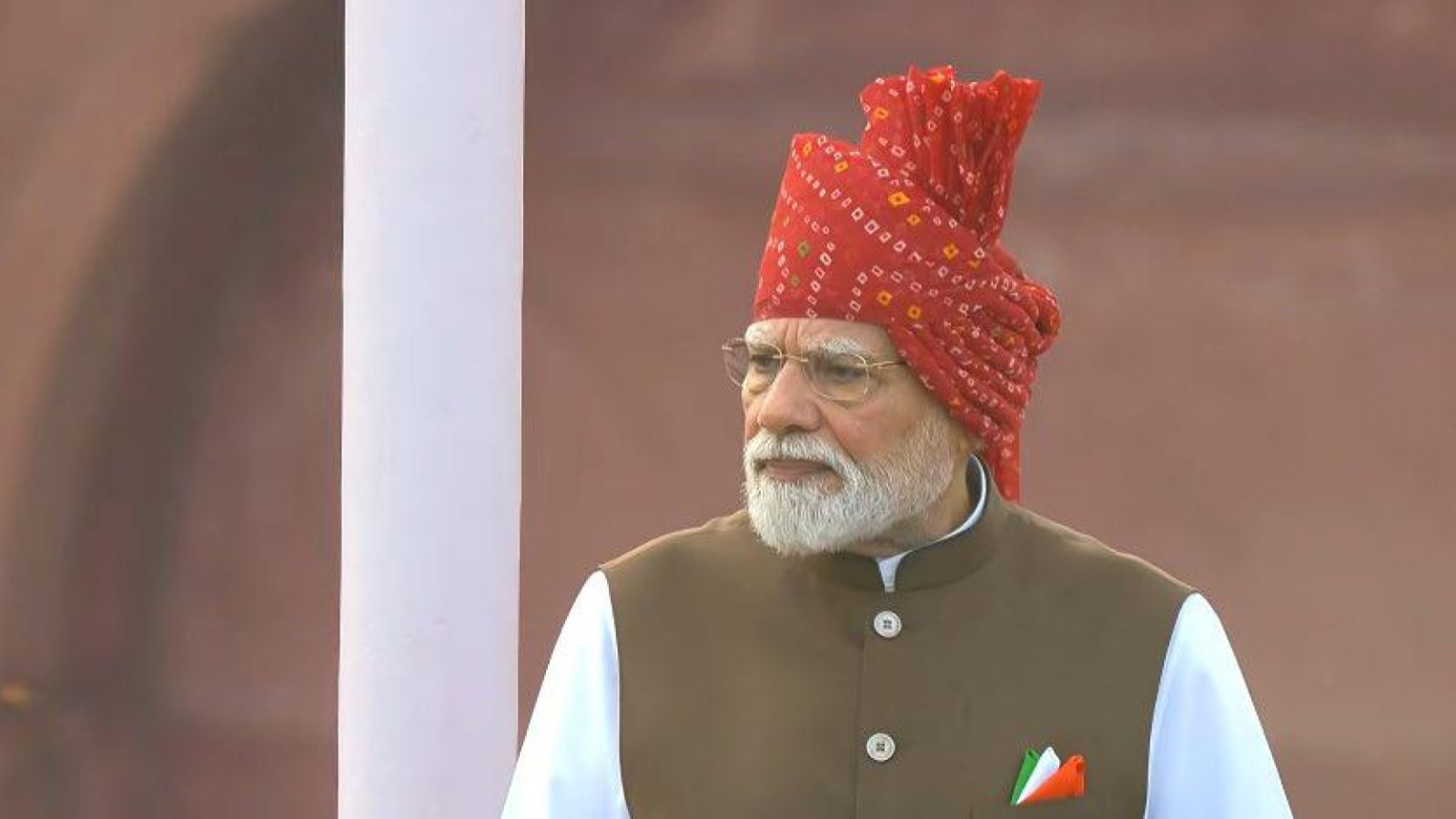
Addressing India's 80th Independence Day, PM Modi announced a major push to train 1 crore youth in AI and online coaching in one year, per YourStory and Inc42. For edtech and skilling platforms, this is a massive TAM unlock—but success depends on speed, affordability, and job placement; expect government funding to flow to partners who can scale curriculum and credibility fast.
Fintech SaaS company Zaggle's Q1 FY27 net profit fell 33% YoY to ₹17.5 Cr despite operating revenue jumping 28% to (implied), per Inc42. This is a classic SaaS trap: scaling sales faster than efficiency, likely due to higher CAC, longer sales cycles, or margin compression from competition; builders should audit burn rate per dollar of ARR and ensure LTV:CAC is holding above 3x.
Shiprocket's public issue closed with 99.38x oversubscription, with investors bidding for 938.53 crore shares against an offer of 9.45 crore, per Inc42. Logistics infrastructure is now proven capital-light; builders in fulfillment, reverse logistics, or last-mile tech should consider going public or securing late-stage growth capital while investor appetite is high—this window may close in 6–12 months if inflation or interest rates spike.
PM Modi announced free online coaching for youth on Independence Day, assuring families they can save "thousands of crores" on coaching and stay close to children, per YourStory. For edtech platforms, this is a government subsidy signal; expect RFPs and partnerships with state boards; position yourself as a delivery partner (content + assessment infrastructure) rather than a direct consumer player, or risk margin compression from free government offerings.
Meta's proactive enforcement on posts related to hate speech, bullying, and harassment has drastically decreased in India since June 2025 on Facebook and Instagram, per The Hindu. For consumer platforms operating in India, expect: (a) increased tolerance for borderline content, (b) potential regulatory pressure if you enforce stricter than Meta, and (c) advertiser caution on brand safety—build explicit content moderation guardrails and transparency reports to differentiate.
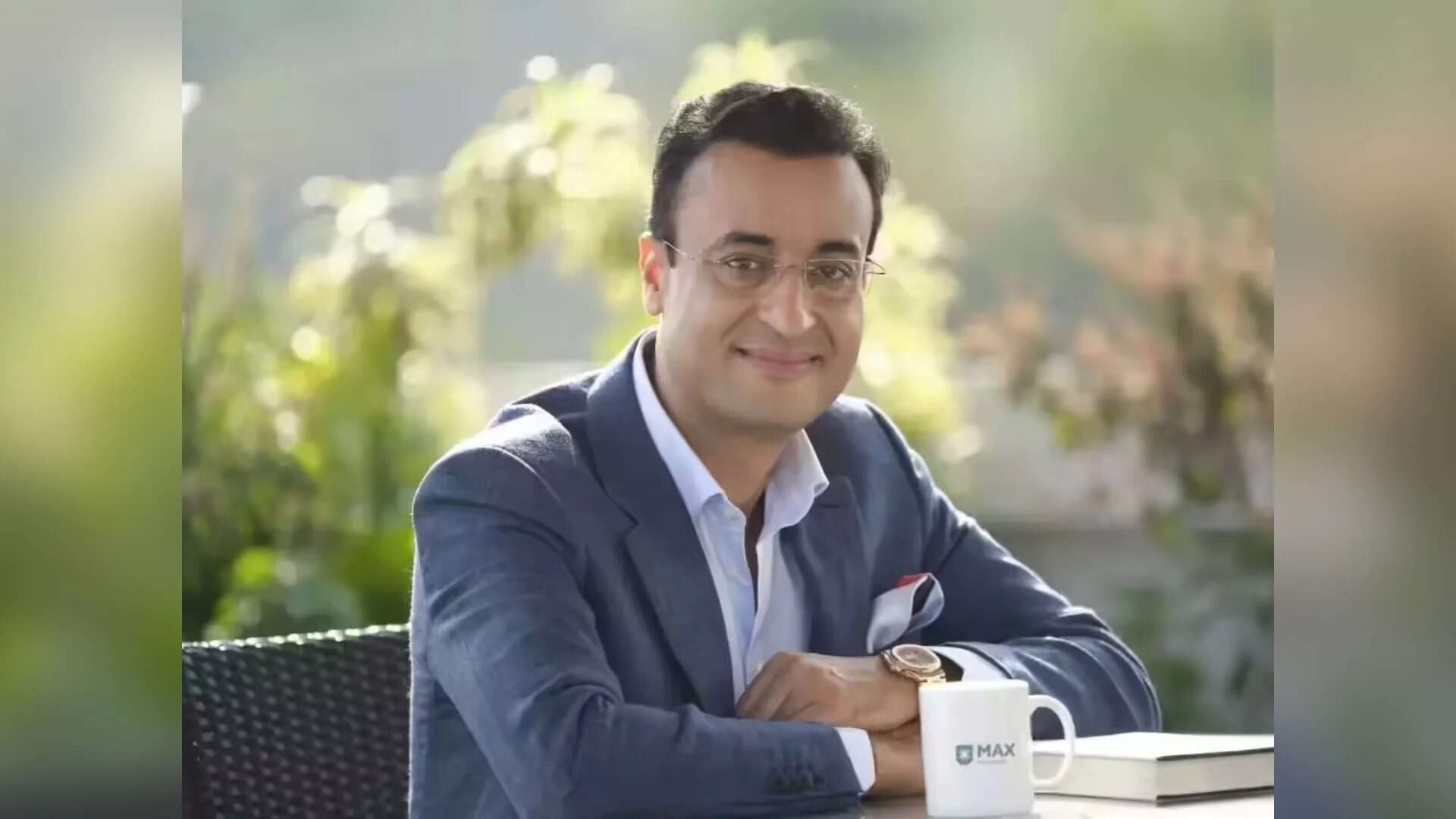
Abhay Soi, Chairman of Max Healthcare, argued that blanket price caps on private hospital room rents must be weighed against the need for new hospital beds and investment viability, per ET HealthWorld. For healthtech builders, this signals: (a) margin compression in inpatient care is coming, (b) focus on outpatient, diagnostics, and ambulatory care where pricing flexibility remains, and (c) partner with hospital chains on occupancy optimization and dynamic pricing tools.
Recently listed insurtech company Turtlemint trimmed Q1 FY27 net loss 19% YoY to ₹37.8 Cr with operating revenue up 40%, per Inc42. Insurtech is finally showing profitable unit economics; builders should focus on high-margin segments (health, SME liability, cyber) where distribution is fragmented and commissions are sticky—avoid commoditized auto/home insurance where insurers control pricing.
PM Modi outlined new frontiers in artificial intelligence, quantum computing, space, robotics, and data centres as opening up rapidly, on India's 80th Independence Day, per YourStory. For deeptech builders, this is a policy signal: expect public R&D funding, tax incentives, and government procurement soon; focus on applications (quantum for materials, cryptography; robotics for manufacturing, agriculture) rather than foundational research—exit via IP licensing or government contracts, not VC rounds.
Ola Electric announced the launch of three new battery energy storage products, expanding beyond scooters into a three-tier Shakti portfolio spanning homes, commercial facilities, and grid-scale energy storage, per Inc42 and ET Tech. For energy storage builders, Ola's vertical integration signals a new category: EV makers moving upstream into the energy layer. Builders should focus on software (battery management, grid optimization) rather than hardware—margins are higher and defensibility is stronger against commodity battery competition.

 Arjun’s TLDR
 Meera’s TLDR