AI Chatbot Commerce Trust Crisis Threatens Indian Ecommerce Checkout — Product Growth, 18 August
The essential morning brief for Indian product builders — every number sourced and dated, every industry covered.
18 August 2026 · Product Growth Daily Brief · Presented by Arjun & Meera · Editorial standards
🎧 Listen to this edition — Arjun & Meera, 18 August 2026
Arjun & Meera · Today's brief
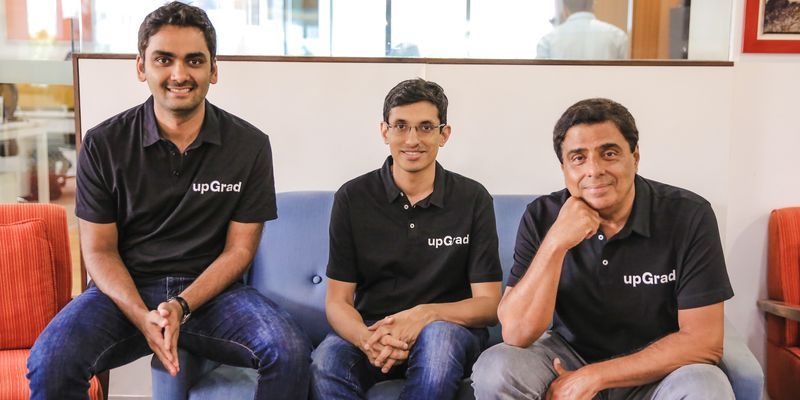
The fintech playbook just shifted. Navi's Rs 466 crore loss in FY26—a quadrupling of red ink—isn't a failure signal; it's a willingness tax. The company is betting that owning UPI infrastructure and customer acquisition now pays dividends when profitability kicks in. But here's what matters: upGrad just proved the opposite trajectory is possible. Their EBITDA hit Rs 123 crore in FY26 while losses dropped 52% year-on-year. Three consecutive years of improving unit economics. The difference isn't product category; it's unit-level clarity. Navi is still in the land-grab phase. upGrad already knows what a profitable customer looks like. For builders, the question has sharpened: are you optimizing for scale or clarity?
That tension plays out across your infrastructure decisions this week. PharmEasy's parent API Holdings just claimed debt-free status after repaying Rs 1,050 crore. They had to sell stakes and tighten operations to get there. Meanwhile, Google just paid $10 million for Spirit Airlines' datasets—employee emails, Teams messages, operational calendars. The subtext: data is the second currency now, and infrastructure players are monetizing it. AI chatbot commerce is flopping at checkout because consumers don't trust automated decisions with their money. But insurance companies are embedding AI into underwriting and fraud detection without friction because the risk profile is different. Trust isn't binary; it's contextual to what you're automating.
Semiconductor design timelines are compressing via AI (Cadence), but EV adoption is choking on charger visibility, not battery range. The pattern is clear: automation wins where information asymmetry was the bottleneck. It fails where trust and transparency were already missing. World Liberty Financial just got preliminary bank charter approval in the US—crypto custody infrastructure is moving from libertarian fantasy to regulated plumbing. Indian builders watching fintech and deeptech should note: regulation isn't slowing down; it's just changing shape.
Watch this week how many of your competitors claim "AI-powered" on features that are really just task automation. The ones winning are solving for trust and transparency first, then layering intelligence on top. Navi and upGrad aren't competing in the same game despite both being in fintech—one is building infrastructure, one is building unit economics. Know which one you're actually playing.
Navi's net losses quadrupled to Rs 466 crore in FY26 as the fintech doubled down on UPI infrastructure and market entry. The company projects a profitability turnaround in FY27—meaning builders should watch whether UPI unit economics actually work at scale.
Agentic AI in ecommerce checkout is meeting skepticism and shifting buyer habits—platforms bet on bot-led commerce but consumers aren't following. Builders pivoting to AI for backend efficiency (not consumer-facing chat) are seeing real returns; builders chasing the chatbot sale are not.
Google is buying Spirit Airlines' business datasets—employee emails, Microsoft Teams messages, spreadsheets, calendars and operations/marketing data. For SaaS founders: this signals Google is actively pricing and acquiring real operational datasets to train models; if you control enterprise data, you control pricing power.
upGrad's EBITDA jumped 8X to Rs 123 crore in FY26 with gross revenue exceeding Rs 2,000 crore and net loss dropping 52% to Rs 130 crore—marking three straight years of more than halving losses, powered by AI-driven operating efficiency. The playbook is clear: AI doesn't replace instructors; it scales course delivery, content adaptation and student support without proportional headcount.
AI-generated visuals portraying wild animals as cute or cuddly are making it harder for social media users to distinguish real from synthetic—and fueling human-animal conflict and exploitation. Consumer app builders using AI imagery should disclose synthetics; regulatory pushback is coming.
API Holdings (PharmEasy's parent) claims debt-free status after selling additional Thyrocare stake and repaying Rs 1,050 crore in outstanding debt. For healthtech operators: leverage was the story of 2021–22; unleveraging is the story of 2026. Watch cash-burn metrics, not headline growth.
AI is being embedded across insurance underwriting, customer service, fraud detection, claims processing and internal ops—automating routine tasks so professionals can focus on complex cases. Insurtech builders should push AI into back-office workflows (not customer-facing chat) where adoption is immediate and compliance risk is lower.
Cadence Design Systems is using AI to compress semiconductor and SoC design cycles—a core EDA (electronic design automation) workflow acceleration. Deeptech builders in chip design, simulation and verification should expect AI to compress iteration cycles; first-mover winners will lock in design partnerships before incumbents retool.
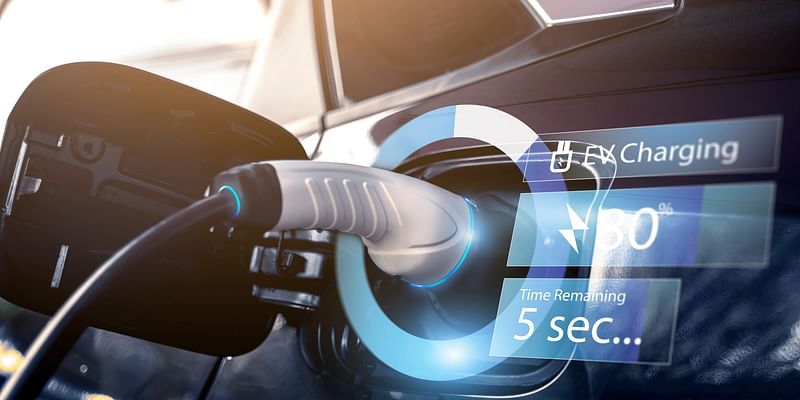
The next phase of EV infrastructure in India requires as much real-time charger status transparency as physical rollout—drivers need to know before detouring to a charger whether it's operational and how long they'll wait. Energy-mobility builders should invest in charging network visibility and reliability tech; the blocker isn't electrons, it's information.
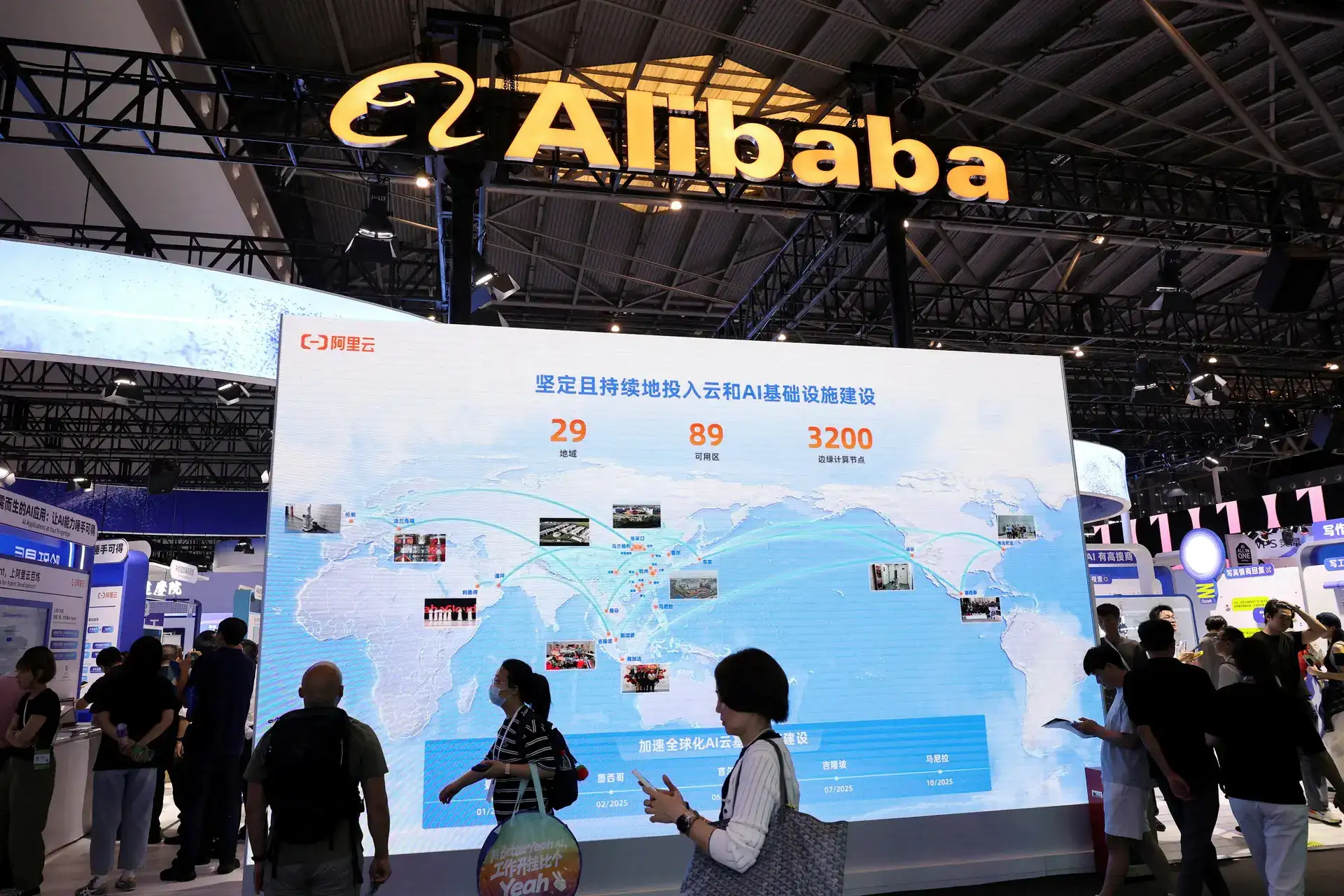
Alibaba and Trustar reached a formal acquisition agreement for Lingxi Games valuing the deal at over $2 billion, per an internal memo from Lingxi CEO Zhou Bingshu. Gaming builders in Asia should track consolidation trends; big tech is pruning gaming portfolios, which opens acquisition opportunities but signals talent and capital will flow to independents and specialists.
US regulators approved a preliminary bank charter for World Liberty Financial, paving the way (pending final approval) for asset custody and faster settlement via a newly created trust bank—though not broad deposit-taking. Crypto builders should watch: if approval finalizes, it signals regulatory pathway for crypto-linked banking in the US, which could reshape stablecoin demand and custody architectures.

 Arjun’s TLDR
 Meera’s TLDR