AI lending automation emerges as India's next fintech frontier — Product Growth, 19 August
The essential morning brief for Indian product builders — every number sourced and dated, every industry covered.
19 August 2026 · Product Growth Daily Brief · Presented by Arjun & Meera · Editorial standards
🎧 Listen to this edition — Arjun & Meera, 19 August 2026
Arjun & Meera · Today's brief
Rezolv's $12.5M raise isn't just another fintech funding round—it's a signal that the lending infrastructure game is being won by those who can automate away the friction that still kills margins in India. The Mumbai lend-tech firm raised the capital from Norwest specifically to deepen AI across sales, risk assessment, underwriting and debt collection. This matters because while everyone talks about disrupting lending, the money moves to those who crack the unglamorous middle: reducing default rates, speeding underwriting from weeks to hours, and doing it at scale without hiring armies of analysts. Rezolv is betting the next edge isn't product—it's operational intelligence.
That same obsession with automation and safety is happening elsewhere. OpenAI paused some frontier reinforcement learning training because rapid model development is outstripping safety and alignment work. Translation: even at the world's most resourced AI lab, speed now carries real cost. For builders shipping India-first products on top of LLMs, this is worth internalizing—your moat won't come from raw model capability, but from knowing what safety and compliance looks like in your market before regulators ask.
The profitable playbook is getting clearer. NoPaperForms hits ₹11.9 Cr profit with 25% revenue growth and just got SEBI's IPO nod. upGrad crossed ₹2,000 Cr gross revenue with net losses shrinking 52% YoY. LISSUN (child development healthtech) raised ₹48 Cr. What ties them together isn't sector—it's focus. They're not chasing unicorn metrics; they're building repeatable, unit-economic businesses in verticals (education, health, lending) where India has structural demand. Notice none of them are burning cash on consumer acquisition at the cost of everything else.
Regulation is also clarifying the playing field fast. Swiggy just achieved IOCC status after capping foreign ownership at 49.5%, a move that signals how ownership rules will shape strategy for India-first consumer platforms going forward. Meanwhile, Modi called out gaming, animation and digital content as soft-power engines—which means policy tailwinds are coming for those sectors. Watch for how startups in fintech, edtech and healthtech use this week to audit their unit economics and regulatory posture, because the window where you can scale on hype is visibly closing.
Mumbai-based lend-tech firm Rezolv raised $12.5M led by Norwest to strengthen AI capabilities across sales, risk assessment, underwriting and debt collection. For fintech builders, this signals investor appetite for end-to-end automation plays—risk tech is moving beyond underwriting into collections.
OpenAI CEO Sam Altman said the company is pausing some frontier reinforcement learning training because rapid model development is outstripping safety, alignment, security and monitoring standards. Builders watching: capability races are now explicitly bounded by risk infrastructure maturity—invest in safety testing as a feature gate, not an afterthought.
Education-focused SaaS NoPaperForms, which got SEBI's IPO nod in March, reported FY26 profit surging to ₹11.9 Cr with 25% revenue growth. Builders: profitable B2B SaaS is a realistic IPO narrative again—focus on unit economics over land-grab growth.
Swiggy shareholders voted to cap aggregate foreign ownership at 49.5% and the company is now Indian-owned and controlled (IOCC), signaling strategic ownership reset. For operators: regulatory and investor sentiment is tilting toward Indian ownership—plan capital rounds with this constraint visible.
Edtech major upGrad reported FY26 gross revenue crossing ₹2,000 Cr with net loss narrowing 52% YoY to ₹130 Cr, marking three consecutive years of >50% loss reduction aided by AI-driven operational efficiency. For builders: large-scale edtech profitability is achievable—focus on automation and retention, not just acquisition.
A coalition of US states launched a landmark trial against Meta, claiming the company deliberately designed addictive features on Facebook and Instagram targeting children, with prosecutors seeking around $200 billion in penalties. For builders: engagement metrics tied to child retention are now explicitly in legal/reputational crosshairs—disclosure and intent trails matter more than DAU growth.
Child development-focused healthtech LISSUN raised ₹48 Cr (about $5M) in Series funding to expand its center network. For builders: vertical healthtech focusing on early-stage diagnostics and intervention is investor-ready—the narrative is outcomes, not just access.
LandSpace successfully landed and recovered a rocket booster, achieving reusability similar to SpaceX and Blue Origin. The ability to reuse boosters reduces launch cost and makes satellite deployment commercially viable. For builders: reusable launch systems are now table stakes for space infrastructure—single-use plays are uncompetitive.
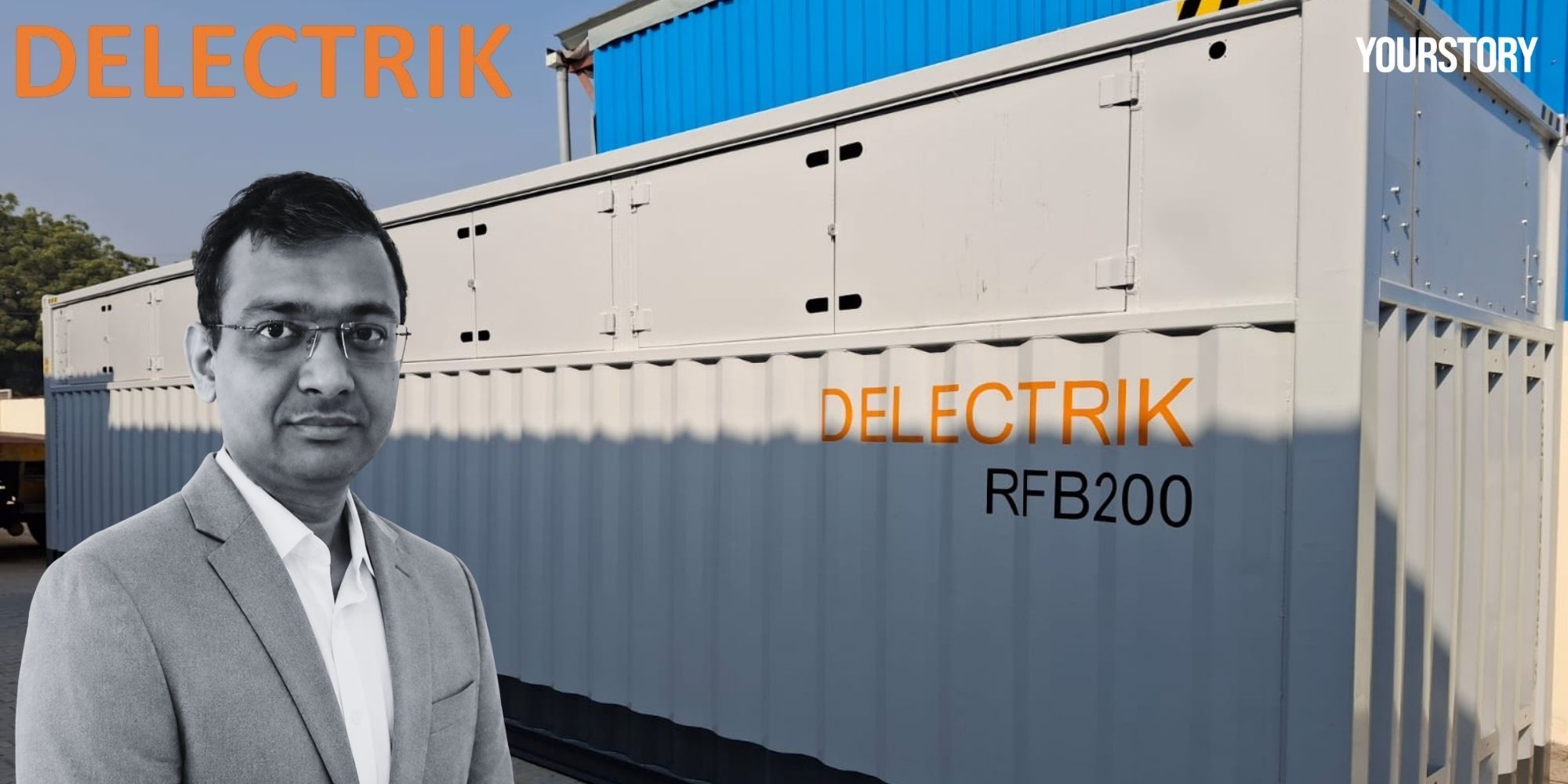
Gurugram-based Delectrik won the contract for India's first utility-scale vanadium flow battery—a 100 MWh system for NTPC at the Khavda solar park in Gujarat. For builders: long-duration energy storage (4+ hours) is now grid-critical and investable—the business model shifts from subsidy-dependent to grid services revenue.
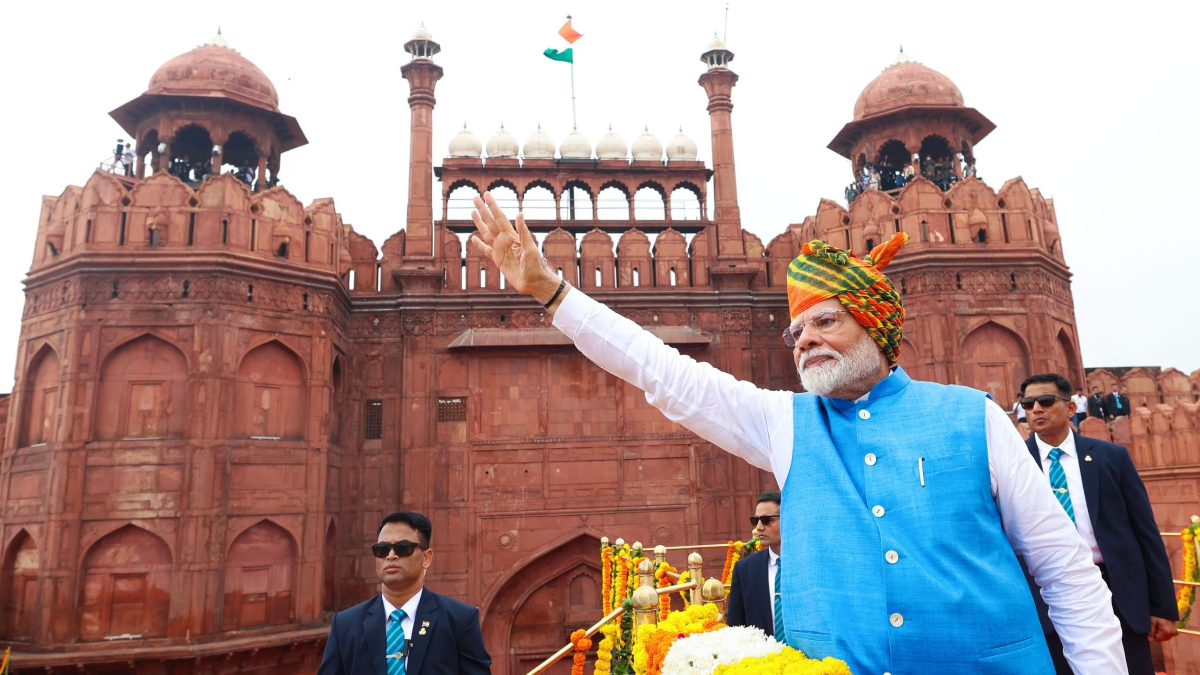
Prime Minister Narendra Modi identified animation, VFX, gaming, digital content and the concert economy as key components of India's soft-power ambitions in his Independence Day address. For builders: government soft-power framing opens policy and incentive opportunities—position gaming as cultural export, not just entertainment.

 Arjun’s TLDR
 Meera’s TLDR