Cashfree Payments surges on RBI ban lift, payments surge — Product Growth, 21 August
The essential morning brief for Indian product builders — every number sourced and dated, every industry covered.
21 August 2026 · Product Growth Daily Brief · Presented by Arjun & Meera · Editorial standards
🎧 Listen to this edition — Arjun & Meera, 21 August 2026
Arjun & Meera · Today's brief
Cashfree Payments just posted 52% revenue growth, and that single number tells you everything about what's shifting in Indian fintech right now. The RBI's year-long merchant onboarding ban was lifted, and suddenly the pipes work again—but what matters more is what Cashfree's recovery signals: regulation that punishes broadly eventually gets lifted, founders survive the freeze, and when the gates open, growth snaps back violently. If you're in fintech and spent the last 18 months watching margins compress under compliance pressure, this is your permission slip to think bigger again.
But "bigger" doesn't mean unaccountable. Meta's 'don't ask, don't tell' stance on under-13 users—now testimony in a landmark trial—is the other side of this coin. Build fast, skirt the rules, and regulators will eventually force you to rebuild under oath. That's expensive. Cashfree thrived *after* the ban partly because it had already internalized discipline; the companies that treated RBI restrictions as noise rather than signal are the ones still struggling. The same applies to voice AI training without consent: lawsuits from journalists and podcasters are mounting because companies assumed silence meant permission. They were wrong. The regulatory cost of being casual about data is now baked into your unit economics.
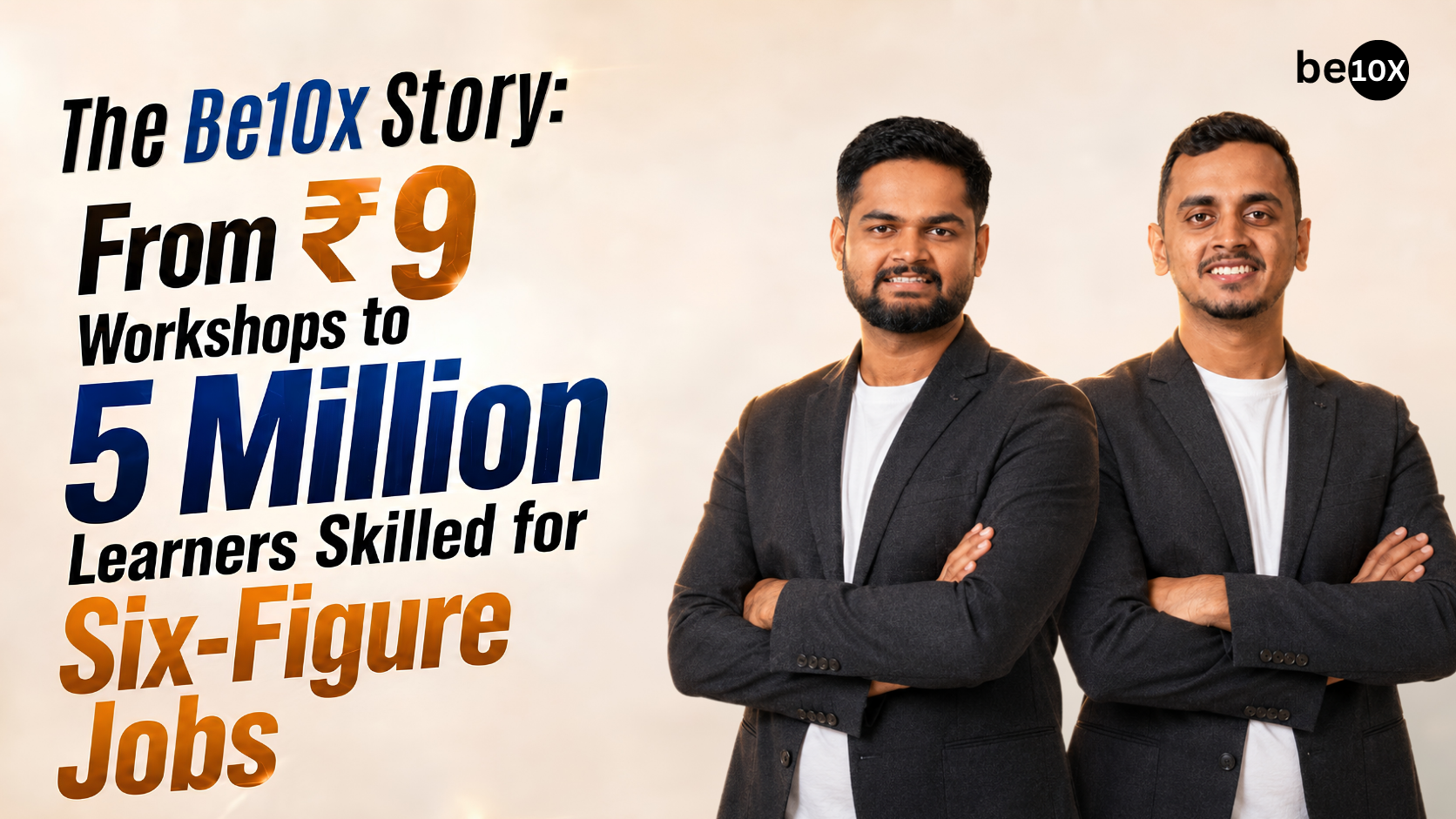
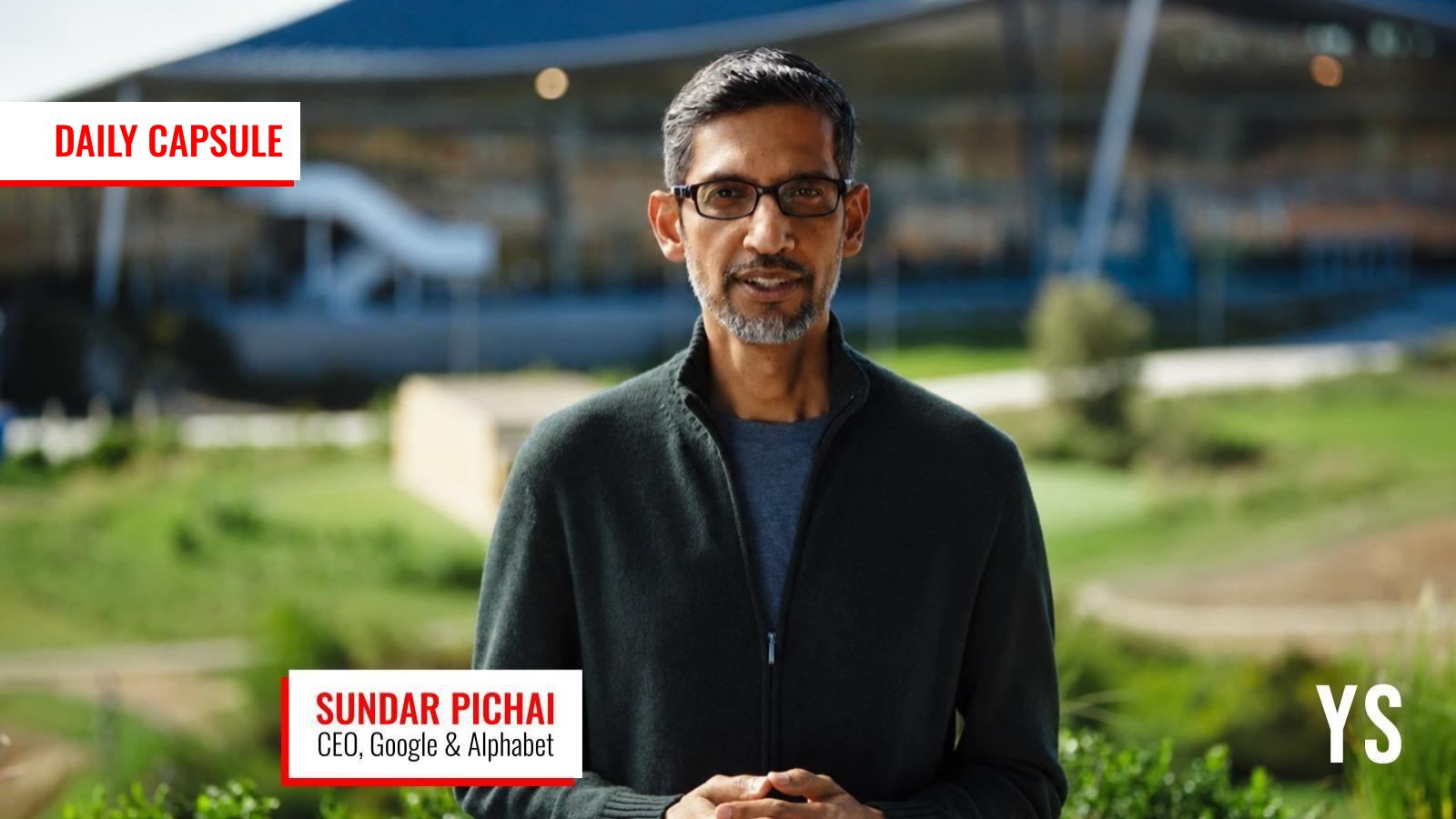
Watch where this intersects with growth. Flipkart's shift of Big Billion Days from Q3 to Q4 shaved 100 basis points off Walmart's guidance—a tactical move that works short-term but signals maturity: big players now optimize for quarters, not chaos. Meanwhile, Be10x scaled to 5 million learners by pivoting from cheap workshops to certifications and AI tools, and Google just embedded AI practice quizzes into search with Careers360 and PhysicsWallah. The pattern is consistent: winners aren't the ones moving fastest; they're the ones moving *right*, bundling compliance, quality, and distribution in one motion.
This week, audit your fastest-growing channel or feature. Ask: if a regulator or plaintiff's lawyer looked at how you acquired this user or this data, would you be explaining it in court, or would you be proud of it? That's no longer philosophy—it's competitive advantage.
Cashfree reported 52% revenue growth in FY26 with narrowing losses, recovering from a year-long RBI restriction on onboarding new merchants that was lifted. Builders integrating payment gateways should watch aggregators' unit economics closely—margin pressure and customer acquisition costs will reset as the category restabilises.
Class action lawsuits from journalists, podcasters, and audiobook narrators claim voice data was used to train AI models without consent; plaintiffs' counsel estimates defendants face hundreds of millions in potential liability per case. Builders using voice or audio datasets must document explicit consent workflows and retention policies now—regulatory retroactivity is coming.
IIT Kharagpur alumni-founded Be10x scaled from low-cost workshops to 5M learners by pivoting toward certifications, AI workflow tools, and career programs as demand for practical AI skills accelerated. B2B SaaS founders in skills training should watch: horizontal AI workflow platforms may outflank vertical course content in retention and lifetime value.
Walmart flagged that Flipkart's Big Billion Days sale moving from Q3 to Q4 will weigh approximately 100 basis points on next quarter's growth, offsetting gains from advertising and India's strong operating income. Founders planning seasonal campaigns should expect major ecommerce event calendars to remain volatile—lock vendor commitments only after dates are locked.
Google Search now lets students build custom practice quizzes using content from The Princeton Review, Careers360, PhysicsWallah, and Akira Enem, bringing AI-assisted test prep to search. EdTech founders: Google's distribution reach means free premium features are now the floor. Shift to outcomes—job placements, salary data, skill certification—or face margin compression.
A former Meta engineering director testified that Instagram operated on a 'don't ask, don't tell' policy regarding users under 13, fueling a landmark trial by 29 states over child safety on social platforms. Builders in social, messaging, or creator tools should embed age verification and consent workflows by design—regulatory liability and reputational risk are now priced into venture decision-making.
Manipal Hospitals reported ₹3,091Cr in Q1FY27 revenue with 26% EBITDA growth and inpatient/outpatient volumes rising 38.8% and 26% respectively; occupancy improved 290 bps YoY to 65%. Hospital operators should track volume-driven margin expansion: once occupancy crosses 60%, unit economics shift from fixed-cost heavy to utilisation-driven profitability. Expansion into tier-2 cities is now viable.
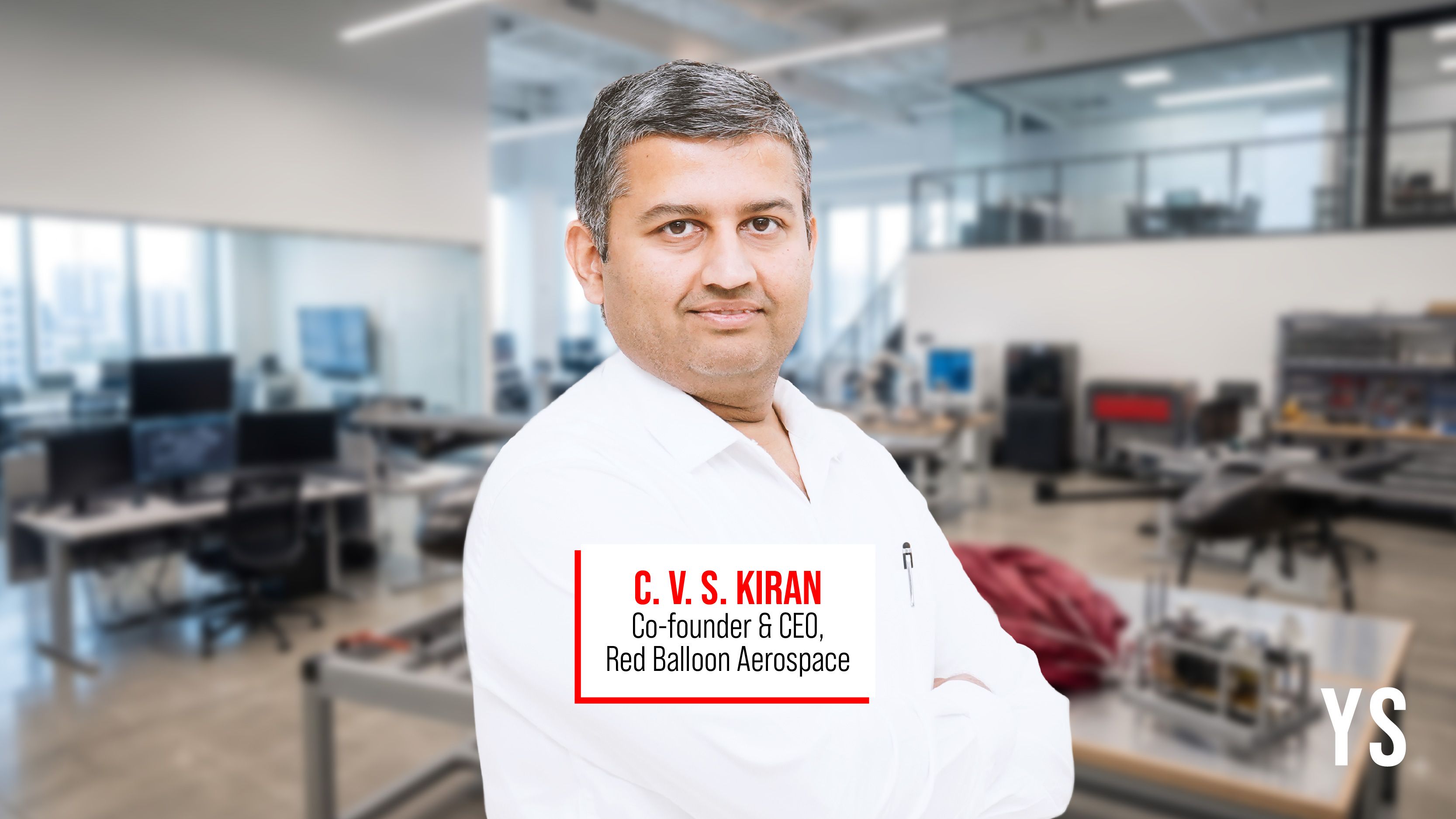
Founded by ex-Skyroot Aerospace CTO CVS Kiran, Red Balloon is building near-space infrastructure for communications, disaster response, and remote connectivity applications. Deeptech founders pivoting from launch services to applications will find easier paths to commercialisation—near-space has lower regulatory friction and faster revenue cycles than orbital.
India has commissioned just 2 GWh of cell manufacturing capacity as of 2026, against China's 2,695 GWh cumulative, with China controlling 85–98% of global capacity across every supply chain segment. Energy-mobility founders should expect policy support for domestic cell manufacturing to accelerate—subsidy and tariff leverage will drive cost down, but scale timelines extend beyond 2030.
Krafton Ad Platform India (KADP India), the Indian subsidiary of South Korean ad-tech firm Neptune, has officially launched its advertising technology operations. Gaming platforms now have native ad-tech—BGMI publishers should expect in-game ad inventory monetisation to accelerate; competition for CPMs will intensify as supply increases.
The SEC on Tuesday proposed long-awaited rules exempting certain token offerings from securities regulations, making it easier for crypto companies to issue tokens and fundraise. Web3 founders should model new token-raise pathways: regulatory clarity shifts cost of capital. Expect token offerings to compete with equity rounds on terms.
 Arjun’s TLDR
 Meera’s TLDR