The essential morning brief for Indian product builders — every number sourced and dated, every industry covered.
22 August 2026 · Product Growth Daily Brief · Presented by Arjun & Meera · Editorial standards
🎧 Listen to this edition — Arjun & Meera, 22 August 2026
Arjun & Meera · Today's brief
Private credit in India just hit an inflection point. US$3.5 billion deployed across 100+ mid-market deals in H1 2026 means the funding ladder for Indian builders is getting longer—and importantly, less dependent on global capital. This matters because it signals domestic institutional money is now confident enough to back growth-stage companies without the volatility tax of external funding windows. The shift from mega-deals to mid-market activity (US$10 million+) is exactly where most product companies live.
But here's the tension worth watching: while capital is localizing upmarket, the cost of building is dropping dramatically. OpenAI just cut GPT-5.6 Sol API pricing by 20%, and Google's throwing free AI Plus subscriptions at JEE/NEET prep users. That means your AI moat just got thinner. The winners won't be the ones racing to integrate commodity models—they'll be builders solving vertical problems with distribution that already exists. See: Google's smart move pairing AI tools with search intent rather than selling standalone features.
This week, two exits are telling you something about the SaaS cycle. Accel and AVP just cashed out ₹587 crore from Amagi post-IPO, reminding you that even winners face pressure to return capital. Meanwhile, Walmart's bracing for a 100 basis point hit because Flipkart moved Big Billion Days from Q3 to Q4—a reminder that distribution events are still baked into revenue predictions in Indian ecommerce. Those are legacy advantages evaporating.
The real upside is in infrastructure and deep tech bets. Rooftop solar crossed 50 lakh homes through PM Surya Ghar, Starcloud hit $2.3 billion valuation riding space infrastructure appetite, and Manipal Hospitals grew EBITDA 26% on volume gains of 38.8%. What they share: solving hard distribution problems in regulated sectors where once you own the customer relationship, margins follow. Apple's retreat from Vision Pro gaming tells you where the XR bubble is deflating; don't chase content—chase the infrastructure play.
Watch how many Series A-B founders pivot their AI strategy this week now that pricing and free tools are commoditizing. That's your signal to ask: what's the unit economics of my product if the tech layer is free?
India's private credit market deployed US$3.5 billion across more than 100 transactions above US$10 million in H1 2026, signaling resilience amid global uncertainty. Builders should watch the mid-market (₹10M+) as domestic capital increasingly competes with foreign investors—unit economics and pricing models will tighten.
OpenAI reduced pricing on its frontier GPT-5.6 Sol model by more than 20% for API users, rolling out across ChatGPT Work and Codex credits. AI/ML builders integrating foundation models should assume pricing pressure is structural—differentiation moves to application layer, not inference costs.
VC firms Accel and AVP exited over 1 crore shares of listed media SaaS Amagi in block deals worth ₹587 crore. SaaS builders should watch: even post-IPO, early investors are trimming positions—a signal that growth multiples may not sustain without significant margin expansion or new revenue pools.
Walmart expects Flipkart's Big Billion Days sale event moving from Q3 to Q4 to weigh about 100 basis points on growth next quarter. Ecommerce builders should note: calendar concentration in Q4 sales events is intensifying—vendor margins and fulfillment capacity need Q3 buildup now, not post-season optimization.
Google launched AI-powered learning features for JEE, NEET, and GRE exams via Search and Gemini, plus 12-month free Google AI Plus subscriptions for eligible Indian college students. Edtech builders competing in test prep should assume freemium conversion drops sharply—your defensibility is now specialized content, live instruction, or outcome guarantees, not LLM access.
Temple, Goyal's brain wearable startup, unveiled a smaller device design ahead of its 2026 launch, tracking blood flow and oxygenation in the brain. Consumer builders should watch: if Temple ships and shows clinical utility, consumer health wearables move from activity tracking to neuro-monitoring—a new category with $B+ potential if FDA clears applications.
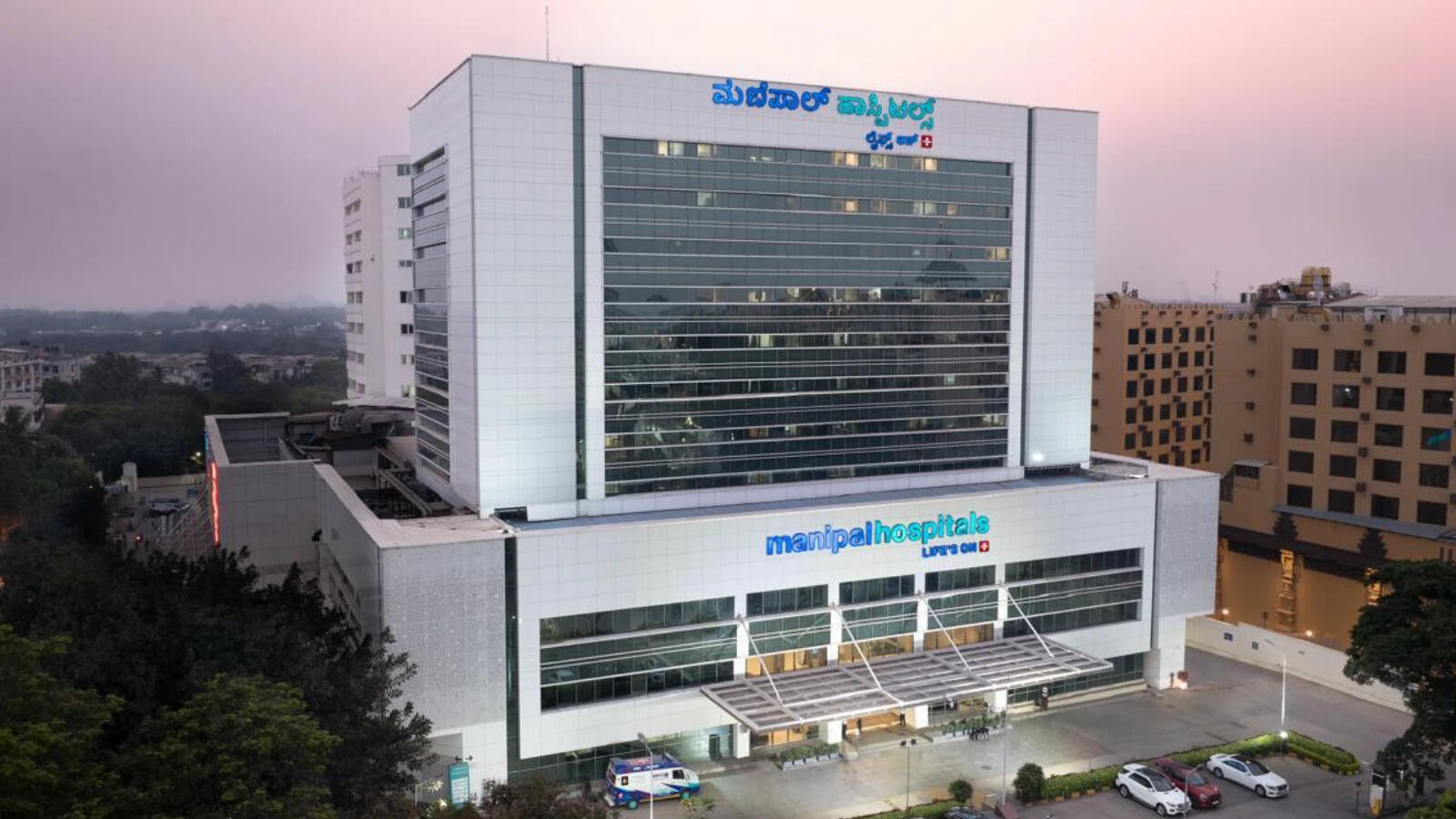
Manipal Hospitals posted ₹3,091 crore revenue in Q1FY27 with inpatient and outpatient volumes growing 38.8% and 26%, respectively; EBITDA climbed 26% and occupancy improved 290 bps to 65%. Healthcare operators should note: post-pandemic volume normalization + pricing power is sustaining margin expansion—capital deployment in digital front-end (telemedicine, triage) can now be justified via ROIC.
Starcloud, an orbital data center startup, was valued at $2.3 billion in its latest funding round, riding SpaceX's IPO momentum and renewed investor appetite for space infrastructure. Deeptech builders should note: on-orbit compute and storage are attracting serious capital—latency-critical applications (AI inference, financial modeling, gaming) may shift to orbital infrastructure if economics pencil out.
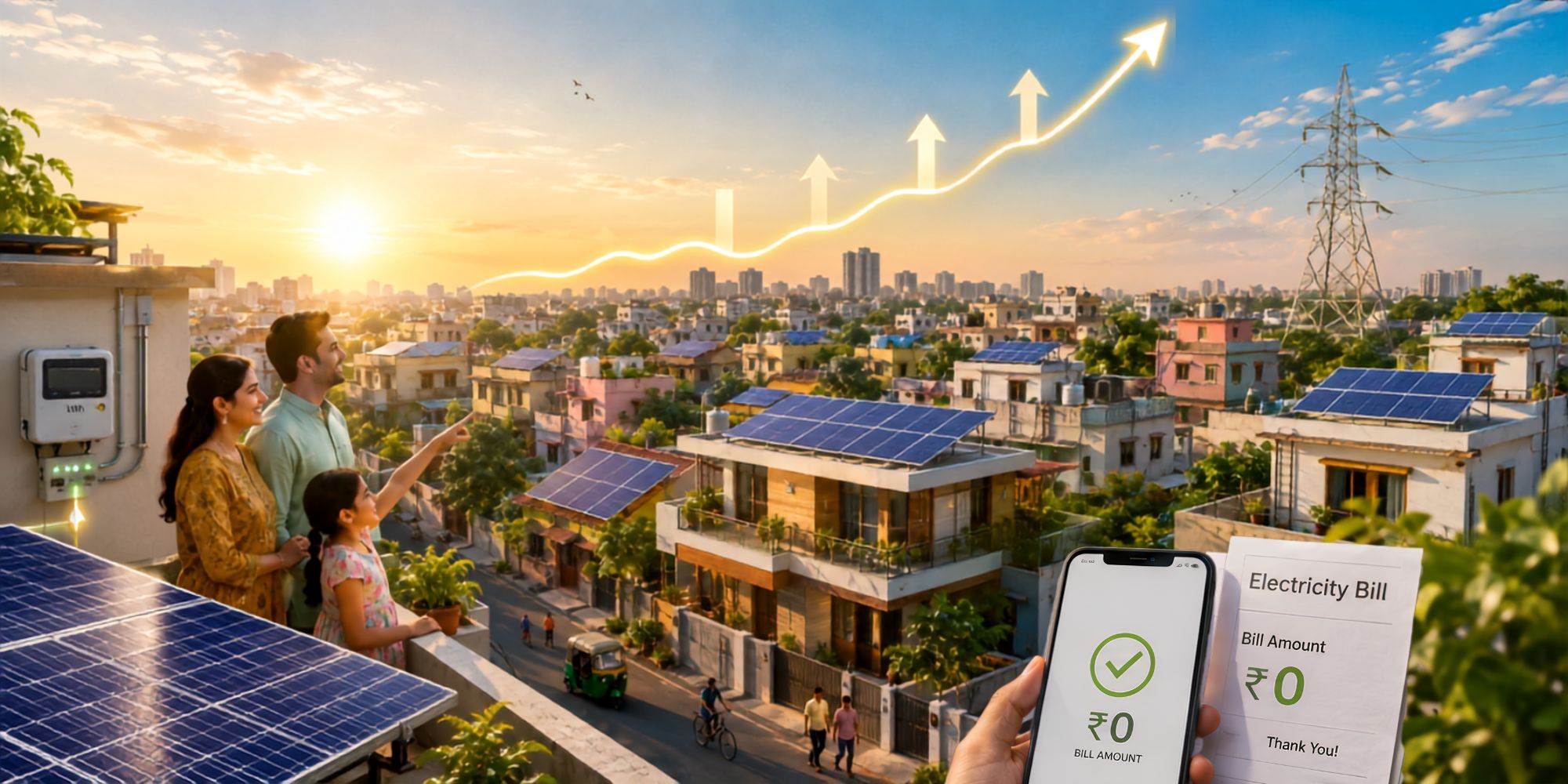
India's rooftop solar push reached 50 lakh homes in just over two years, with PM Surya Ghar scheme accelerating adoption. Energy builders should track: distributed solar is now mainstream; the next frontier is grid interconnection, local storage, and peer-to-peer energy trading—software and financing layers will unlock higher margins than hardware alone.
Apple is largely shutting down a Vision Pro team focused on gaming and reducing immersive video production, signaling reduced investment in XR gaming content. Gaming and XR builders should adjust roadmaps: Apple's pivot away from VR gaming suggests consumer demand remains soft; focus on mobile-first, cross-platform monetization instead of platform-exclusive XR titles.

 Arjun’s TLDR
 Meera’s TLDR