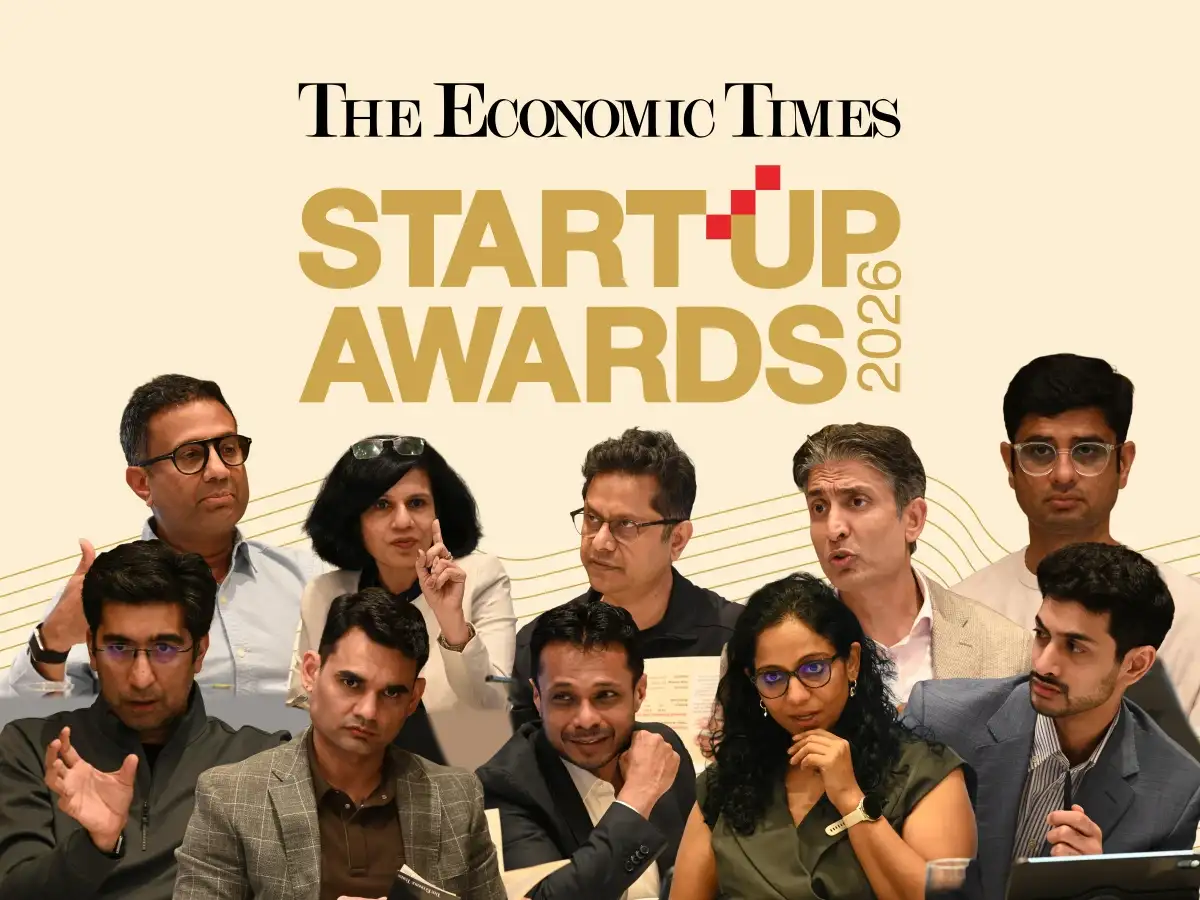
Groww named ET Startup Awards 2026 Startup of Year — Product Growth, 27 August
The essential morning brief for Indian product builders — every number sourced and dated, every industry covered.
27 August 2026 · Product Growth Daily Brief · Presented by Arjun & Meera · Editorial standards
🎧 Listen to this edition — Arjun & Meera, 27 August 2026
Arjun & Meera · Today's brief
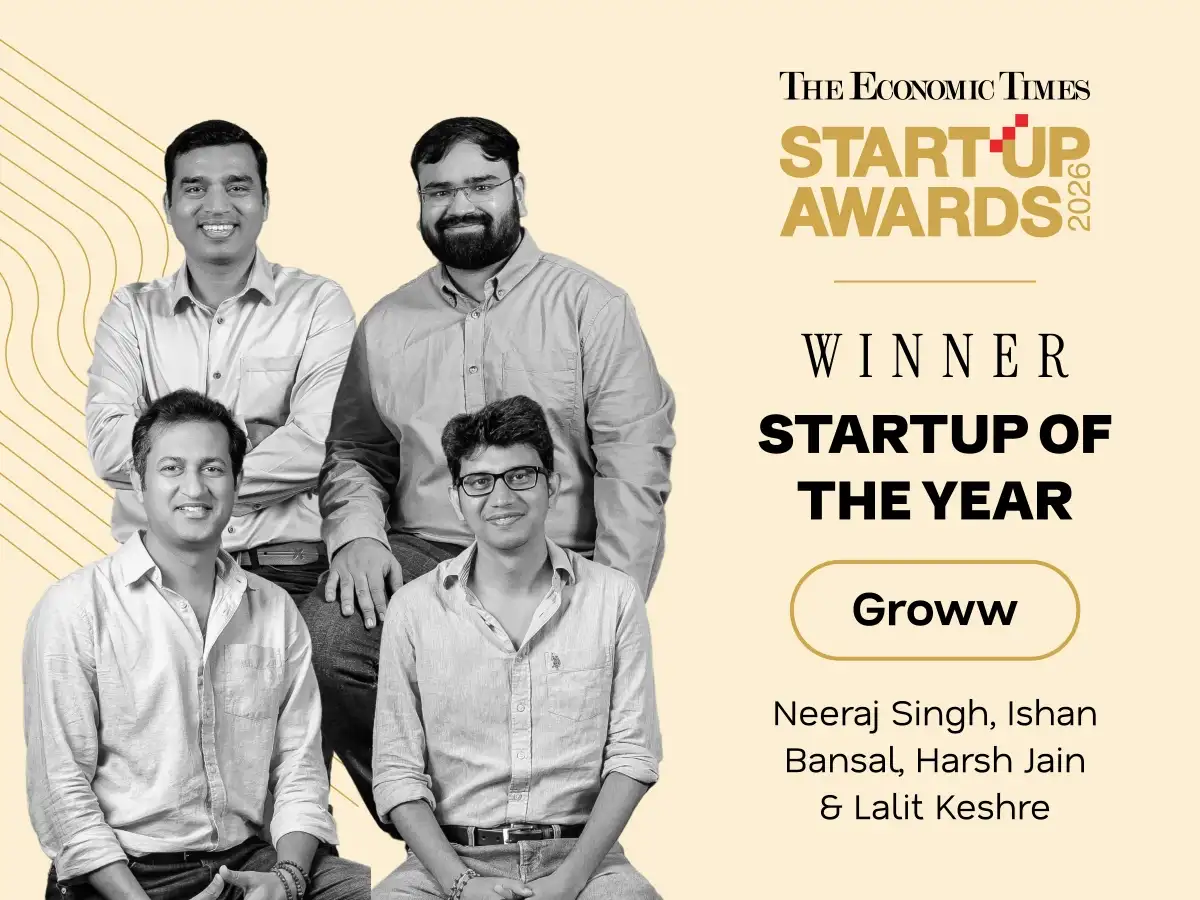
Groww's ET Startup Awards win isn't just trophy gloss—it's a statement that fintech infrastructure plays have finally matured enough to claim the crown in a field that once belonged to logistics and hyperlocal. The startup joins a lineage with Razorpay and OfBusiness, but unlike those businesses that had to build their own network effects from scratch, Groww is winning by making investing boring and accessible. That matters to you because it signals that distribution and unit economics in financial services now beat moonshot ambition; the judges picked steady compound growth over venture theater.
Watch the exits happening in parallel. Lightspeed just cashed out ₹550 crore from PhysicsWallah—a clean signal that edtech's high-growth period is cooling. Meanwhile, Hala Mobility posted 4.4X revenue growth to ₹97 crore *and* hit profitability in the same year. Two entirely different trajectories. One tells you the edtech gold rush is over; the other shows deep-tech and climate-adjacent businesses are where patient capital is now finding real unit economics. InspeCity raising ₹100 crore for satellite servicing and SugarStrings.ai's 7,442-disorder genetic screening aren't sexy Series A stories—they're B2B/B2G plays that solve infrastructure gaps nobody else wanted to touch.
Meanwhile, consumer remains fragmented but hungry. Curaa grabbed ₹40 crore for kitchenware D2C, and a former cricket captain just became a licensed player-investor in LightFury's eCricket game. These aren't breakout moments; they're proof that niche verticals and IP-led gaming still pull capital, just in smaller, more disciplined cheques. Bitcoin's 28% August surge and Barret Zoph's move to Google DeepMind signal the macro: cheap money is back, but builders with real defensibility (regulated fintech, frontier AI, climate infrastructure) are where it's flowing.
If you're pitching this week, lead with unit economics or a regulatory moat, not a market-size pitch. Profitability is suddenly interesting again.
Groww has been adjudged Startup of the Year at ET Startup Awards 2026, joining an 11-year legacy that includes Urban Company, Lenskart, OfBusiness, Razorpay, Zomato, Zerodha, Delhivery, Swiggy, Oyo, Freshworks and Ola. The recognition validates Groww's ability to navigate regulatory headwinds while scaling—a playbook other fintech builders are watching closely.
Barret Zoph, cofounder of Thinking Machines Lab, has joined Google DeepMind as Vice President of Research, stepping up from an earlier role at OpenAI. The hire signals continued talent consolidation at mega-labs; Indian AI builders should watch whether foundational research talent stays local or centralizes further abroad.
Groww has been named Startup of the Year at ET Startup Awards 2026, joining an 11-year legacy that includes Urban Company, Lenskart, OfBusiness, Razorpay, Zomato, Zerodha, Delhivery, Swiggy, Oyo, Freshworks and Ola. The win validates not just fintech execution but SaaS-grade infrastructure and compliance automation at scale—a template other India SaaS builders should study for regulated verticals.
Bengaluru-based Curaa raised ₹40 crore ($4.2 million) in Series A from 3one4 Capital and others to expand its kitchenware portfolio beyond its initial focus. D2C brands are moving from single-category plays to multi-category platforms—builders should study Curaa's expansion strategy as a template for category escape velocity.
VC firm Lightspeed Venture Partners exited its stake in edtech unicorn PhysicsWallah, realizing ₹549.7 crore from the sale of 4.67 crore shares. The exit signals edtech's transition from growth-at-all-costs to profitability—builders should watch whether secondary liquidity for early investors becomes the norm, and whether PhysicsWallah's unit economics justify the capital deployed.
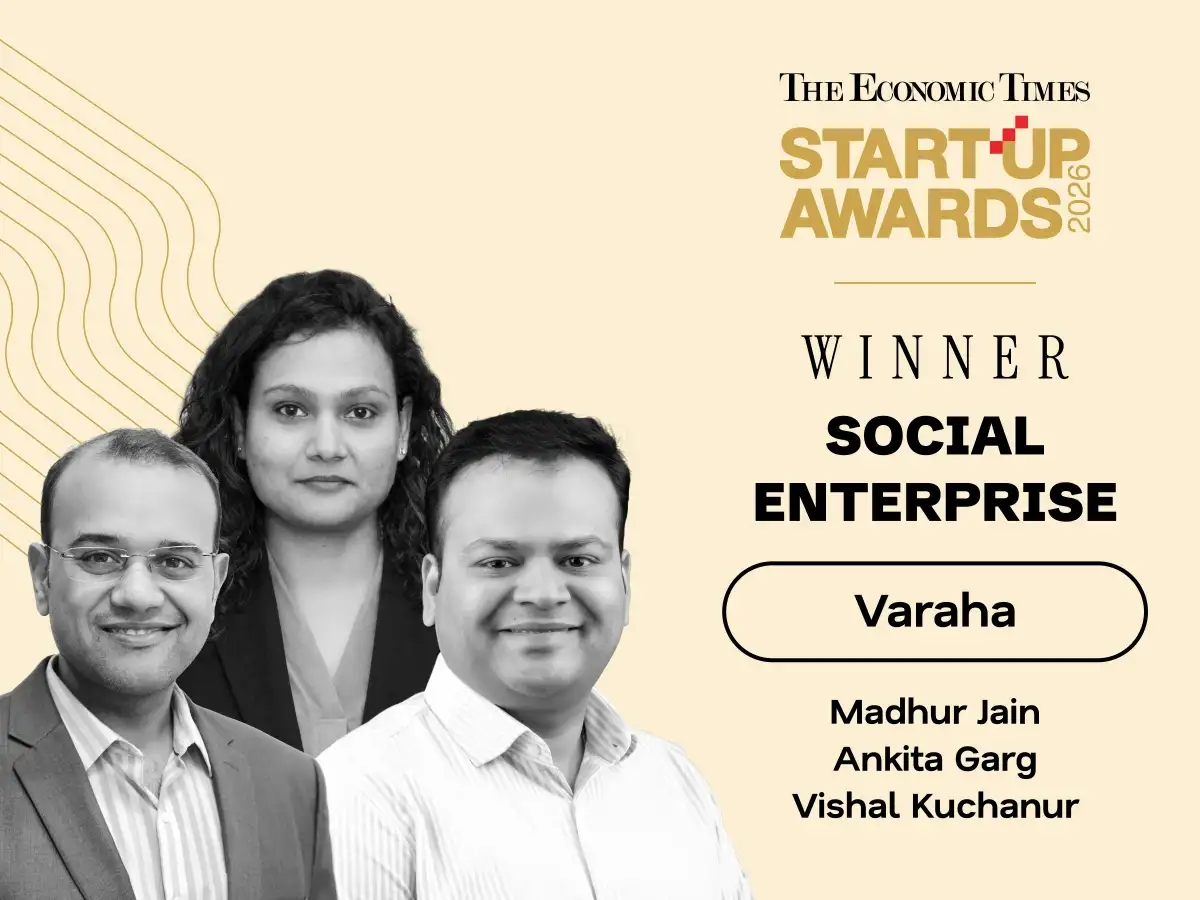
Varaha won the ET Startup Awards 2026 Social Enterprise award for helping smallholder farmers adopt sustainable practices (regenerative farming, tree planting, biochar, enhanced rock weathering) that improve soil carbon and moisture while boosting biodiversity. The recognition validates climate tech + agri as a viable fintech model—builders should study whether carbon credit arbitrage can fuel rural payments infrastructure.
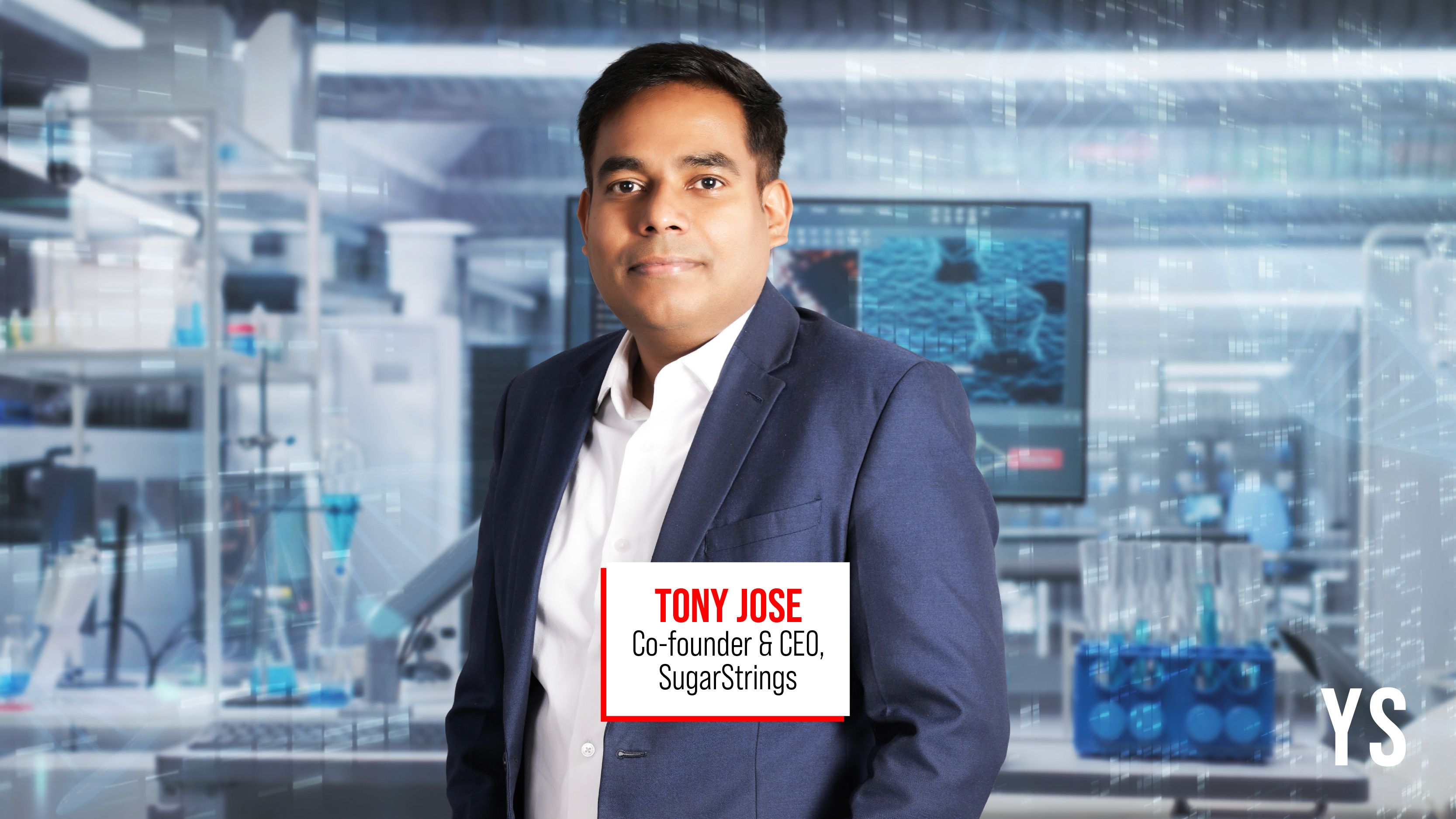
Bengaluru-based SugarStrings.ai developed a non-invasive DNA test using AI to identify over 7,442 genetic disorders from cheek swabs, focusing on accessibility and privacy. This is India's healthtech moat—vertical AI solving for cost and scale in preventive health; builders should study how SugarStrings combines biotech rigor with AI affordability to unlock mass-market genetic testing.
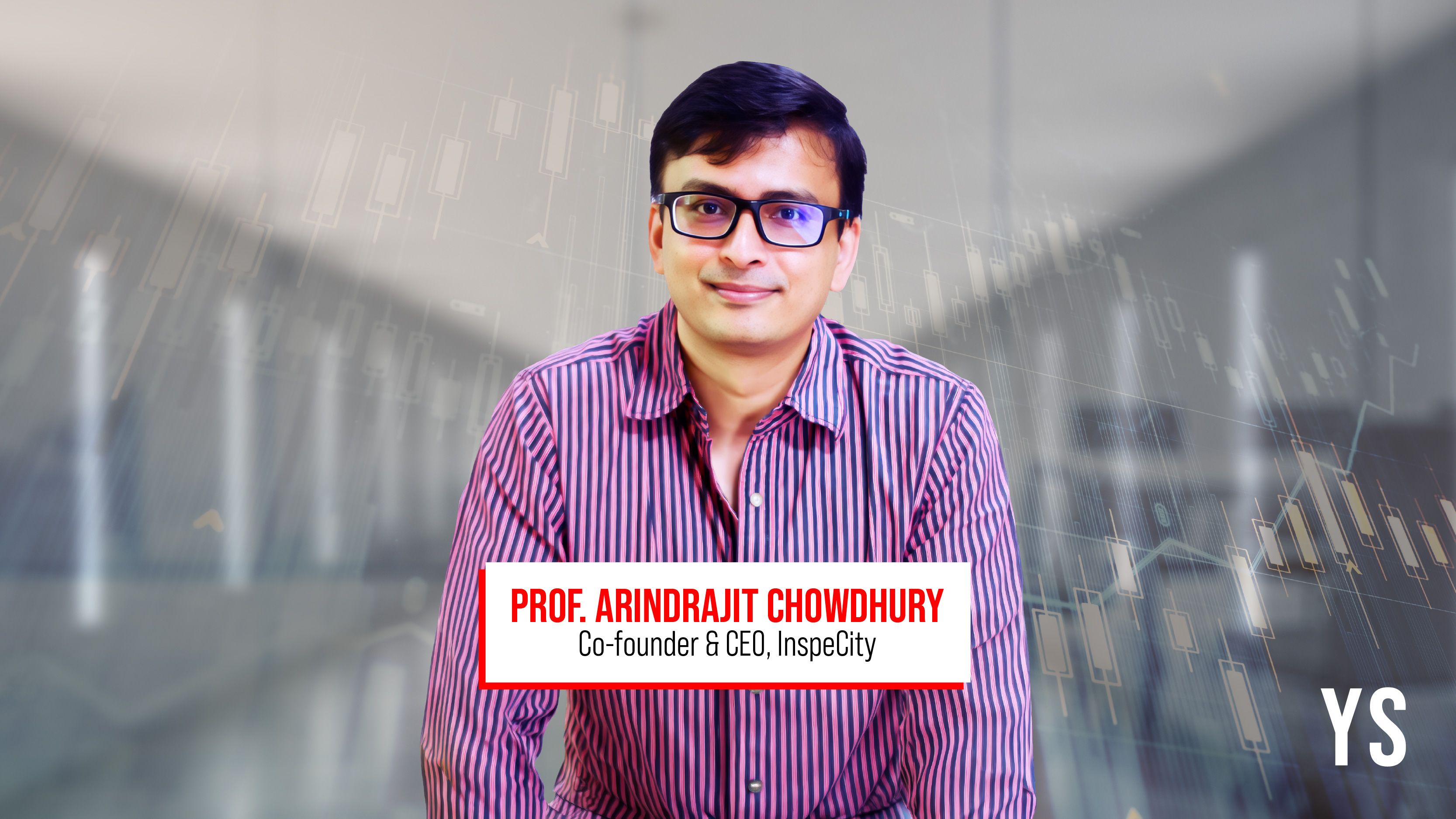
Spacetech startup InspeCity raised ₹100 crore ($10.4 million) in pre-Series A funding to execute four in-orbit missions over the next 18 months, building robotic and propulsion systems to service satellites and reduce space debris. The capital deploy is mission-focused, not R&D; builders should study InspeCity's de-risking strategy—executing paid missions while raising capital signals the spacetech market has moved from research to revenue.
Electric mobility startup Hala Mobility's operating revenue jumped 4.4X to ₹97 crore in FY26 from ₹22 crore in FY25, while posting a ₹3.6 crore profit—rare for India's EV space. The jump signals India's last-mile EV fleet is now generating sustainable unit economics; builders should study Hala's path to profitability and whether shared EV mobility can escape the CapEx trap.
World Cup-winning former India cricket captain Rohit Sharma joined LightFury Games as an investor and licensed player for eCricket, as the cricket gaming title prepares for phased launch. The move signals celebrity-backed gaming IP is now viable in India—builders should study whether licensed sports IP (cricket, kabaddi) can unlock core gamers and casual audiences simultaneously through esports infrastructure.
Bitcoin rose above $80,000 in August 2026, up 28% for the month—its biggest monthly gain since November 2024—driven by soft dollar sentiment and inflation fears. The momentum signals crypto's macroeconomic narrative (debasement hedge, alternative to fiat) is re-emerging; web3 builders should stress-test whether Bitcoin's recovery signals a broader institutional adoption cycle or retail FOMO rebound.
 Arjun’s TLDR
 Meera’s TLDR