AI Infrastructure Expansion Signals Shift In Indian Tech Investment Priorities — Product Growth, 29 August
The essential morning brief for Indian product builders — every number sourced and dated, every industry covered.
29 August 2026 · Product Growth Daily Brief · Presented by Arjun & Meera · Editorial standards
🎧 Listen to this edition — Arjun & Meera, 29 August 2026
Arjun & Meera · Today's brief
The fintech-to-insurtech pipeline just got a serious upgrade. Raise Financial's hire of Abhishek Singh—who built Upstox into a unicorn—signals that India's best founders are now treating insurance as a mobility problem, not a compliance checkbox. This matters because insurance remains the most fragmented, user-hostile category in Indian finance. If Raise can apply the same product ruthlessness that disrupted broking to health and general insurance, you're watching a category reset. The move also reveals a pattern: IndiGo Ventures' backing of Sarvam AI, Delhivery's pricing power play amid cost inflation, and Meta's $16.68 billion child safety settlement all point to the same truth—capital is consolidating around founders who solve real problems at scale, not those chasing hype.
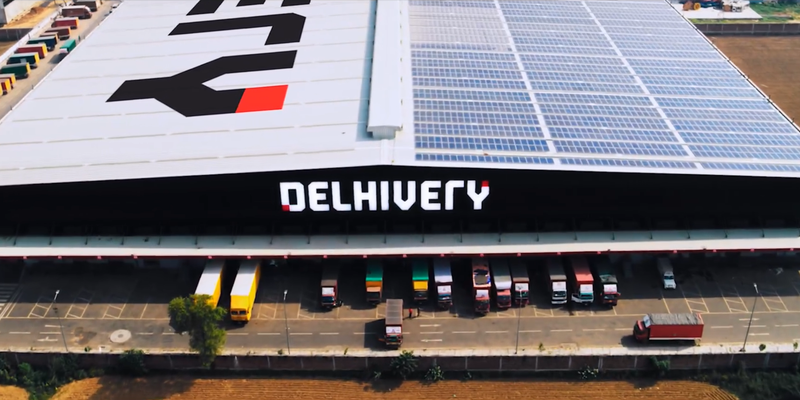
Meanwhile, the infrastructure layer is tightening. Delhivery's "nominal" price hike isn't nominal for ecommerce margins. Rising manpower and fuel costs are the hidden tax on every logistics-dependent business right now, and you'll see this ripple through GMV growth stories in the coming quarters. On the flip side, memory chip shortages are creating a crisis in the sub-₹10K smartphone segment—down 60% YoY in Q2 2026—which will force hardware builders to rethink margins and supply chain redundancy. Ola Electric's S1Z at ₹79,999 with 301 km range is a different play: it's betting riders care more about range than cost, a signal that the EV two-wheeler market is maturing.
The policy side is moving faster than most builders realize. NITI Aayog's proposal to link government skilling funding to employment outcomes is a direct challenge to the edtech establishment: if capital follows outcomes, not enrollments, your unit economics need to be real. Separately, SugarStrings' 94.89% accuracy in genetic disorder screening shows deeptech is finally crossing the accuracy threshold where adoption becomes inevitable, not aspirational. Even Dream11's pivot to AI-first sports engagement—moving beyond fantasy sports mechanics—reflects a broader recognition that pure-play categories are consolidating, and the winners are those that layer AI personalization on top.
Watch this week whether Raise's insurtech push attracts follow-on capital from other unicorns and whether Delhivery's pricing sticks without customer churn—that'll tell you if the logistics tax is here to stay.
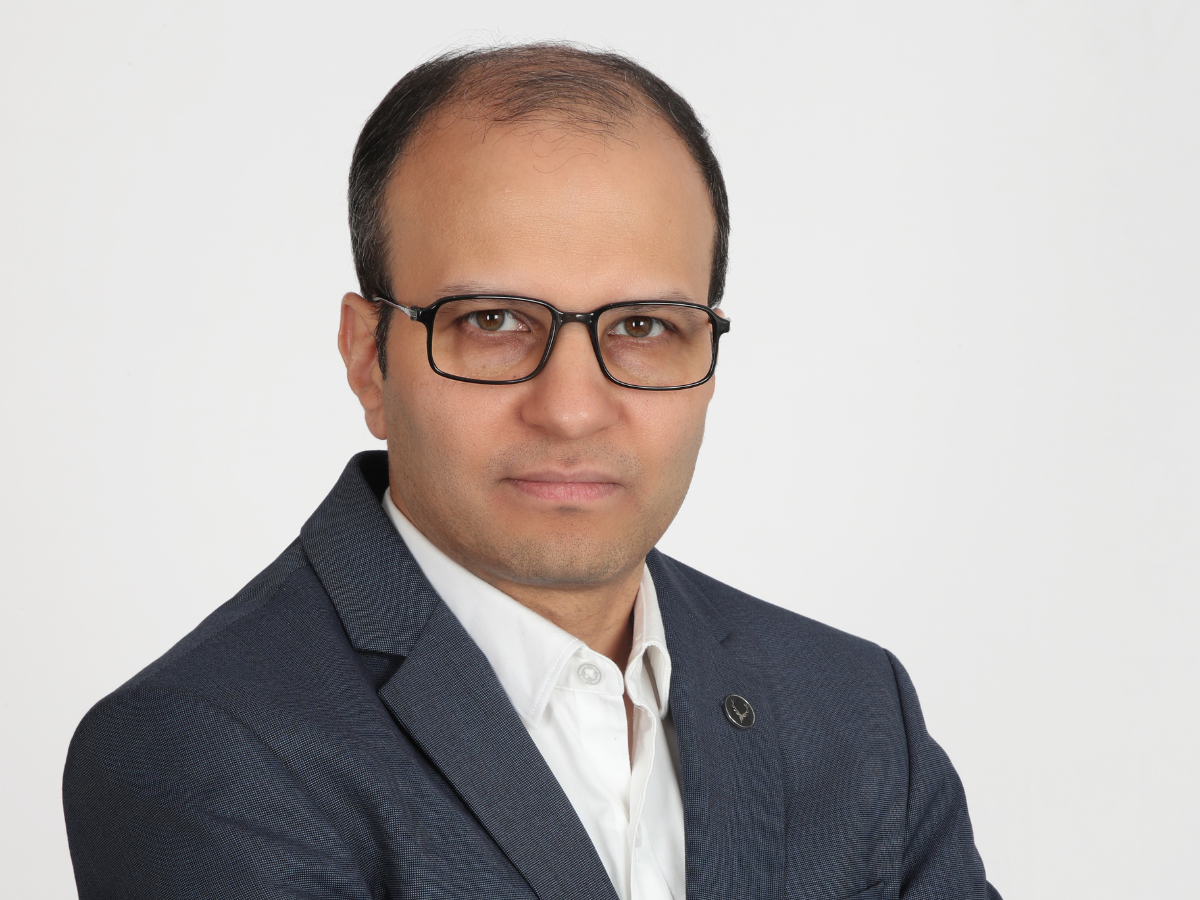
Fintech unicorn Raise Financial has hired former Upstox executive Abhishek Singh as CEO of its new insurtech division, signaling serious intent to enter insurance distribution. Builders should watch whether tech-led insurance plays can gain traction against incumbents—this move suggests venture-backed fintechs see insurance as the next frontier after payments and lending.
SugarStrings' proprietary ML crawler identifies novel genetic mutations with 94.89% accuracy and can analyse data across diverse populations, enabling screening for 7,442 genetic disorders via cheek swab. Builders in diagnostics should note: ML's real moat in biotech isn't just accuracy—it's diversity of training data and the ability to catch novel mutations incumbents miss.
IndiGo's corporate venture arm is investing in Sarvam AI as part of ongoing collaboration to deploy AI for passenger experience, signalling that large Indian enterprises now view sovereign AI infrastructure as critical. SaaS builders should track this pattern: when hyperscalers start co-investing in their own tech stacks, it's a signal that B2B AI SaaS consolidation around enterprise pick is accelerating.
Logistics leader Delhivery made a "nominal adjustment" to pricing amid increases in manpower, fuel, air movement, and network costs. Ecommerce operators should expect logistics pricing to remain sticky upward—if Delhivery is passing costs through, smaller shippers will face margin pressure and consolidation could accelerate.
NITI Aayog is proposing to link government funding for skilling programmes to employment outcomes, aiming to address persistent labour market gaps by tying capital to results. Edtech builders should prepare: outcome-based financing models will become the norm for government contracts, requiring real tracking of job placements and retention metrics—not just course completions.
Meta reached a settlement worth up to $16.68 billion in a case alleging Facebook and Instagram were designed to addict children and harvest their data, with the company denying wrongdoing but agreeing to major changes in safety features. Consumer app builders should note: addictive design patterns are now litigable; platforms will face pressure to implement teen controls, screen-time limits, and age-verification—cost of scale is rising.
Niva Bupa is prioritizing profitable growth by raising premiums 8-9% annually to offset rising healthcare costs, with the trend expected to continue. Healthtech builders should watch: if insurers are passing through cost increases at this rate, out-of-pocket costs for consumers are rising, creating opportunity for health-tech players that reduce total cost of care through prevention, diagnostics, or direct-to-consumer models.
The sub-₹10K smartphone market, which shipped 173M units last year, faces an existential crisis with Q2 2026 seeing a 60% YoY decline, driven by memory chip shortages, per IDC. Deeptech builders in semiconductors should note: supply-constrained commodity components are now the bottleneck for consumer electronics in India; solving chip supply (local fab, alternate sourcing) is now a macro opportunity.
Ola Electric launched the S1Z electric scooter, powered by Bharat Cell LFP battery with a top-end variant claiming 301 km range, starting at ₹79,999. EV mobility builders should track: if Ola can deliver on range and price, the sub-₹80K segment becomes competitive with petrol scooters on total cost of ownership—volume inflection point for two-wheeler electrification could be here.
Dream11 is transitioning to an AI-first platform designed to engage users based on their sports preferences, leagues, teams, and players—moving beyond pure fantasy sports wagering. Gaming builders should note: engagement diversification beyond betting reduces regulatory risk and creates higher-margin data and content-play opportunities; AI personalization is the new moat.
IREN shares fell 7% in extended trading after the company posted a quarterly loss driven by costs tied to retiring bitcoin mining hardware as it transitions to AI cloud services. Web3 builders should track this: crypto infrastructure players are now competing directly with hyperscaler cloud services—the margin profile and competitive dynamics have fundamentally shifted. Bitcoin mining infrastructure is now a stranded asset.

 Arjun’s TLDR
 Meera’s TLDR