🎧 Listen to this edition — Arjun & Meera, 4 September 2026
Arjun & Meera · Today's brief
The fintech story everyone's missing isn't about loan growth—it's about *who* is borrowing. Public and private banks are both firing on cylinders (17% and 15% YoY respectively), but the real signal is corporate credit leading the charge, not retail. This matters because it tells you where the money actually flows in India right now, and retail-focused fintech builders chasing consumer lending are swimming upstream. The recovery is broad-based across sectors and ticket sizes, but the composition matters more than the aggregate.
Meanwhile, the infrastructure layer is consolidating at breathtaking speed. Nvidia just paid $12.9 billion for Hugging Face—18 million developers, 3 million models, all now under one roof. Adobe is acquiring Indian AI startup Rilo to bolt agentic AI into marketing workflows. These aren't random M&A moves; they're chip makers and enterprise software giants vacuum-sealing the moat around AI infrastructure before builders get comfortable. OpenAI's GPT-6 launch and claims of "AGI era" are the marketing drum, but the real game is control over platforms and datasets.
On the flip side, regulatory overhead is becoming its own moat. The insurance industry is already screaming "reform fatigue" as IRDAI pushes multiple changes simultaneously. When incumbents are tired, that's usually a window—but not if you're building in regulated verticals. Ultrahuman raised $70 million for integrated healthtech (wearables + data), and Leanwatts picked up $2 million for portable EV chargers. These bets work because they're solving infrastructure gaps where regulation is still catching up, not fighting it.
One thing to watch this week: if OpenAI's GPT-6 story is real "best model for professional work," pressure is on enterprise SaaS builders to either integrate it or compete on UX and domain logic. Your moat isn't the model anymore. It's what you do with it.
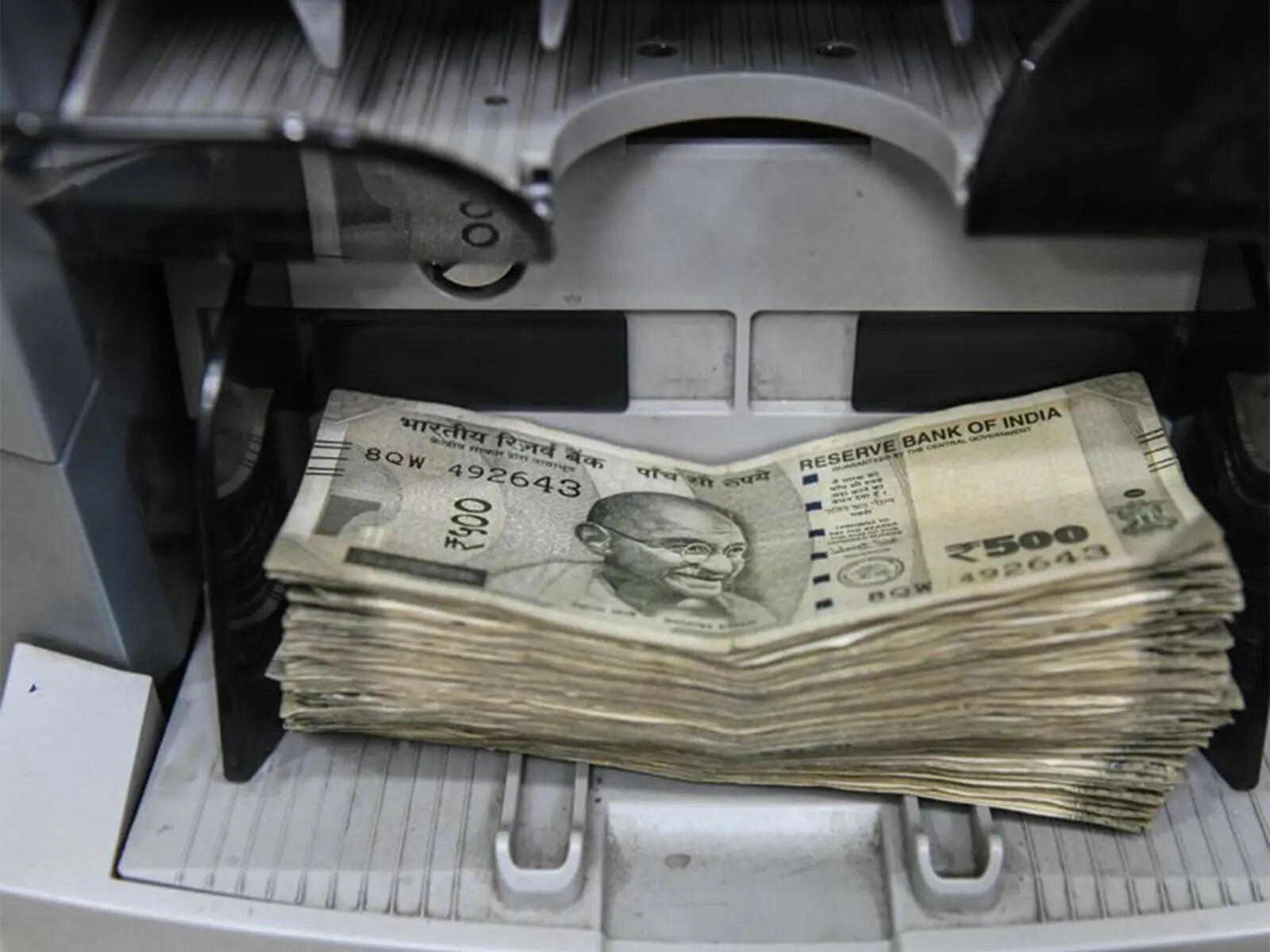
Public sector banks are growing loans at around 17% year-on-year and private banks at around 15%, with recovery broad-based across ticket sizes, sectors and regions, per ET BFSI. Builders in lending and fintech should watch retail credit appetite carefully—corporate strength masks underlying consumer caution.
OpenAI has launched GPT-6, which the company believes is the best model in the world for professional work. Builders should scrutinize what 'best' actually means for your use case—marketing claims don't guarantee ROI for production systems.
Adobe has acquired Indian AI startup Rilo, gaining access to its AI workflow automation technology as businesses adopt agentic AI tools. For independent SaaS builders, this signals that workflow automation built on agents will become a platform feature, not a standalone product—integrate or get acquired.
Used car marketplace Cars24 has trimmed its net loss for FY26 by 18.7% to Rs 441.1 crore, but revenue fell 18%. Profitability via cost-cutting is not unit economics improvement—watch for cash burn acceleration when growth stalls.
AMD and Delhi University have partnered to provide 10,000 students hands-on access to AMD's open-source AI software platform, learning resources, and developer GPU cloud credits. Builders should expect major hardware vendors to own talent pipelines—they'll fund education to lock in developers.
Nvidia has acquired AI platform Hugging Face, which hosts 18 million developers, researchers and creators using over 3 million models, 500,000 datasets and 1 million applications, plus 200,000+ spaces for collaborative work. This consolidates AI infrastructure under chip makers—builders should expect vertical integration pressure as GPU vendors own the full stack.
Wearable tech startup Ultrahuman has raised $70 million (approximately Rs 662 crore) from Qualcomm Ventures, Labcorp, Alpha Wave, Blume Ventures, Nexus Venture Partners and others to expand its health intelligence platform. Healthtech founders should expect hardware + software + data integrations to become table stakes—standalone wearables and apps are dead.
Insurance industry leaders warn they're experiencing 'reform fatigue' following a series of regulatory changes: surrender value norms, expense management rules, governance reforms, IND AS transition, and upcoming commission regulations, per ET BFSI. Insurtech builders need clarity on the final rulebook before scaling—the regulatory target is still moving.
Nvidia has acquired AI platform Hugging Face for $12.9 billion, consolidating AI model infrastructure under chip makers' control. Deeptech builders should expect hardware makers to vertically integrate software layers—your defensibility is in specialized use cases, not general infrastructure.
Clean tech startup Leanwatts has raised $2 million (approximately Rs 18 crore) in seed funding to manufacture portable EV chargers in India. Charging infrastructure is moving from central grids to distributed models—builders who solve the last-mile charging problem win.
Microsoft is cutting under 2.5% of its workforce, with the layoffs impacting roles including sales, consulting, and jobs at the Xbox gaming division. Gaming divisions are now cost centers in enterprise portfolios—builders should expect consolidation around high-margin live service titles, not console platform bets.
 Arjun’s TLDR
 Meera’s TLDR