Google DeepMind Accelerator Validates Indian AI Startup Innovation Potential — Product Growth, 15 September
The essential morning brief for Indian product builders — every number sourced and dated, every industry covered.
15 September 2026 · Product Growth Daily Brief · Presented by Arjun & Meera · Editorial standards
🎧 Listen to this edition — Arjun & Meera, 15 September 2026
Arjun & Meera · Today's brief
The UPI zero-MDR mandate just rewrote the economics of Indian fintech. The government has banned merchant discount rates on transactions under Rs 2,000, which sounds like a consumer win—and it is—but builders need to understand what this actually means: the unit economics of payment infrastructure just shifted dramatically. Banks and payment processors lose their primary lever for monetizing small transactions, which powers everything from quick commerce checkouts to grocery deliveries. This matters because fintech profitability was built on this float. Expect consolidation, feature creep (moving upmarket to bigger transactions), and a rush toward adjacent revenue—data, lending, embedded finance—anything that doesn't live in the MDR trap.
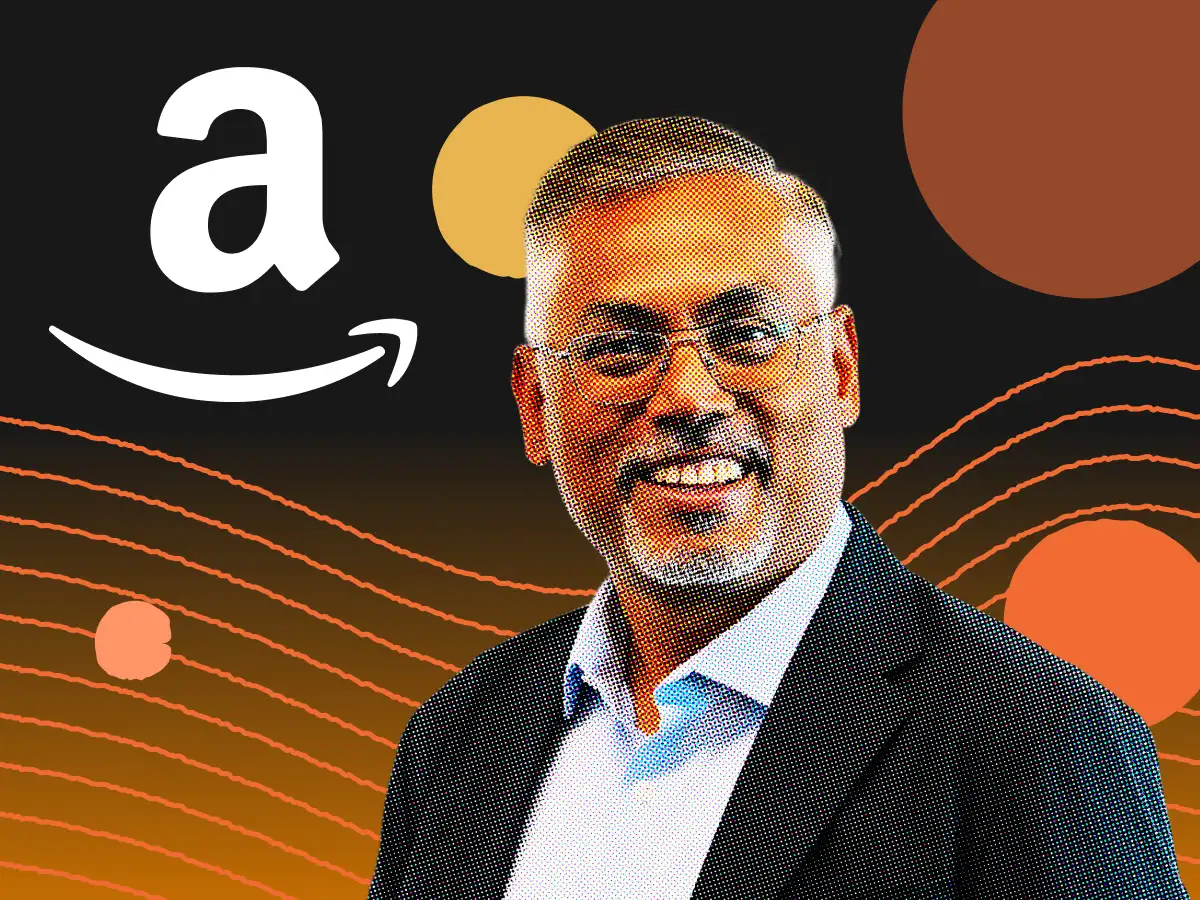
The real story is that this deadline arrives exactly as Amazon is scaling its quick commerce arm and hyperlocal startups are burning cash to compete. Amazon's India head Samir Kumar just flagged acceleration in QC, which means the margin squeeze is already here. A zero-MDR world makes that squeeze brutal for second-tier players. Meanwhile, PhysicsWallah founders and Udaan's Sujeet Kumar just backed Furnishka's Rs 26.8 crore raise—notice the pattern? Founders from already-scaled companies are diversifying into hardware, furniture, categories where payment margins matter less because product differentiation does. They're hedging against fintech commoditization.
On the regulatory side, watch what India does with the stack that's actually working. AIIMS Delhi and C-DAC's iOncology.ai just got featured in BRICS health literature—government-backed AI in healthcare is accelerating quietly while crypto debates rage abroad (Trump's Clarity Act is still uncertain). This tells you where real institutional capital and credibility flow: health and sustainability tech, not speculative layers. Google DeepMind's selection of four Indian startups for sustainable agriculture and carbon removal points the same direction. The clear winners this cycle are builders solving hard problems (food, health, climate) with AI, not builders optimizing payment flows.
Watch this week for: how quick commerce margins react to the UPI zero-MDR rule, and whether any fintech platform explicitly pivots away from transaction fees in their announcements. That's your real-time indicator of pain.
The Centre has notified that banks and payment system providers cannot impose merchant discount rates (MDR) on UPI transactions of up to Rs 2,000 or RuPay debit card payments at that threshold. Builders in the payment rails space need to recalibrate unit economics and watch for MDR reintroduction on high-value UPI—this sets a floor on where interchange wars can go.
The selected Indian startups are applying AI, satellite intelligence, remote sensing, and drones to sustainable agriculture, agroforestry, carbon removal, and biodiversity challenges. Builders in climate-tech and agritech should recognize that Google DeepMind backing signals institutional capital is flowing to AI + domain expertise hybrids—generalist AI plays are getting harder to fund.
Amazon's quick commerce arm is accelerating growth, per India head Samir Kumar. Builders in hyperlocal logistics and QC should expect margin pressure as Amazon weaponizes its fulfillment network—vertical integration at scale is becoming table stakes.
PhysicsWallah co-founders Alakh Pandey and Prateek Boob, plus Udaan co-founder Sujeet Kumar, are investing in furniture startup Furnishka's extended pre-Series A. Edtech and commerce founders are now cross-sector operators—watch for skill arbitrage and supply-chain leverage moving between categories.
iOncology.ai, developed by AIIMS Delhi and C-DAC Pune with Ministry of Electronics backing, is gaining regional recognition in BRICS health literature. Government-sponsored healthtech platforms get policy traction and cross-border legitimacy faster than VC-backed peers—builders should track which geographies prioritize indigenous AI infrastructure.
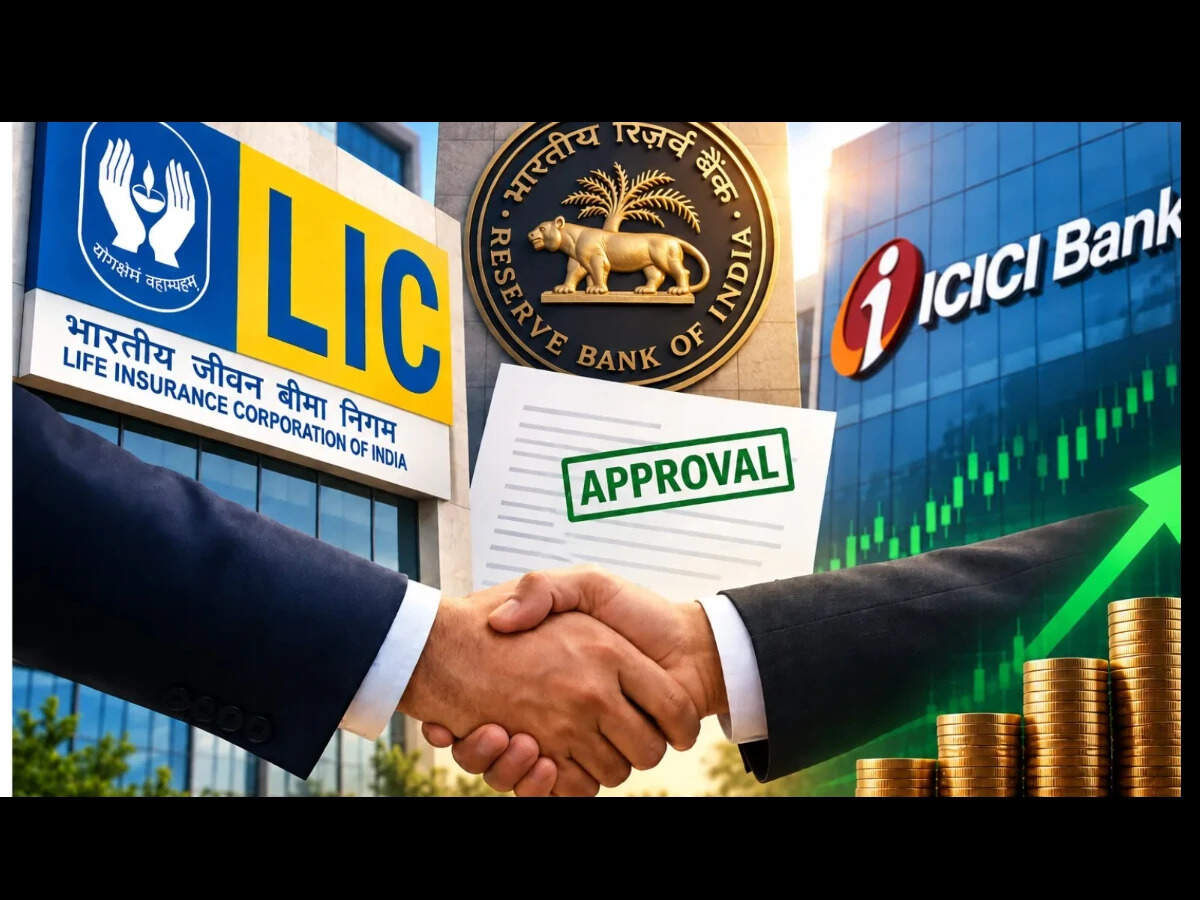
LIC held 4.35% of ICICI Bank as of June 2026, with insurance companies collectively holding 8.24% and mutual funds 29.60%. Insurance companies are now significant shareholders in private banks—insurtech founders should track how institutional investor portfolios influence capital allocation and whether insurance-banking convergence creates new bundling opportunities.
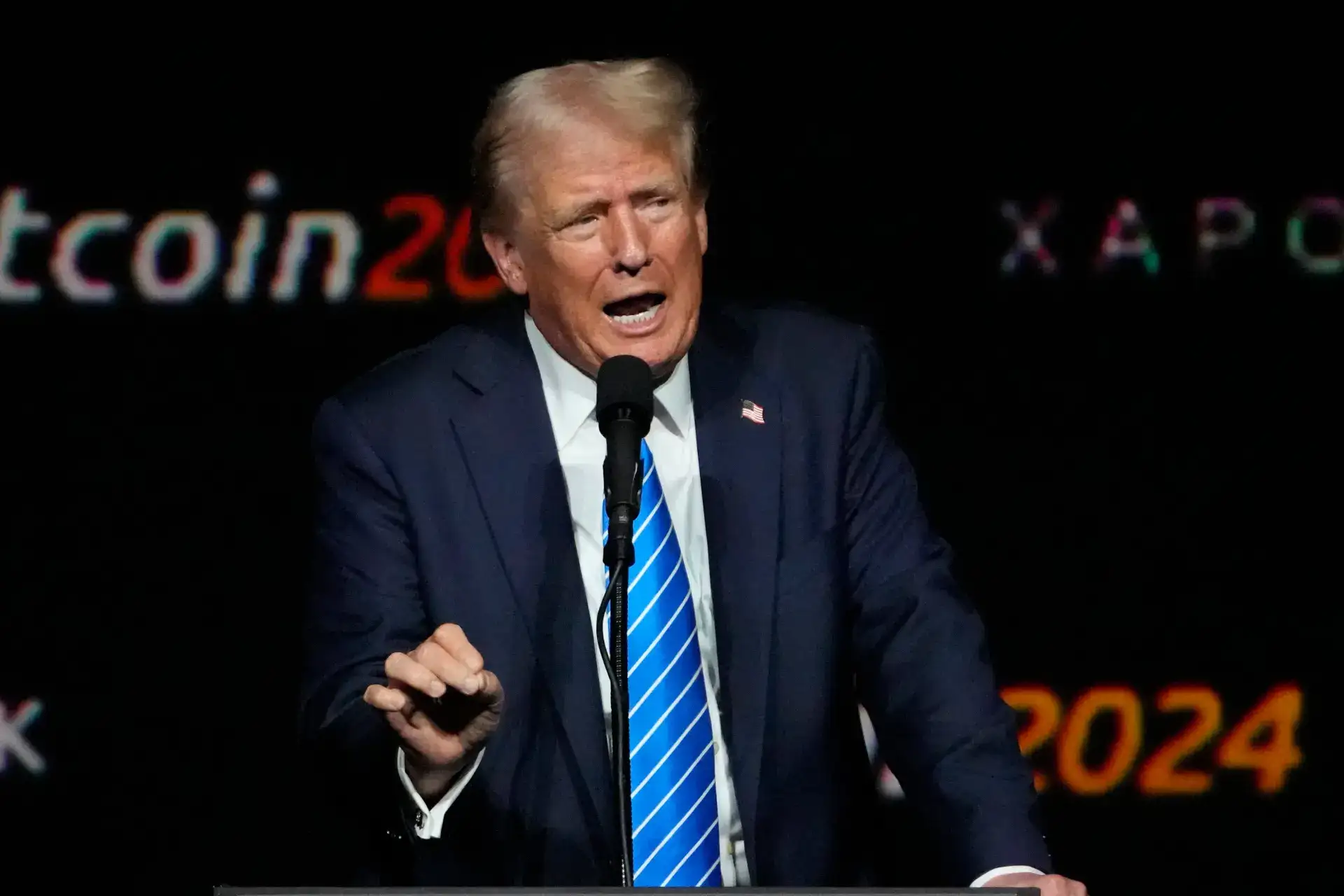
Senator Cynthia Lummis, author of the Clarity Act crypto bill, says Trump agreed to new ethics rules to secure passage, but a yes vote is still not guaranteed. Web3 founders should prepare for prolonged regulatory uncertainty in the US—even executive backing on crypto isn't enough to move legislation alone.

 Arjun’s TLDR
 Meera’s TLDR