UPI Merchant Fee Surge Reshapes India's Digital Payment Economics — Product Growth, 16 September
The essential morning brief for Indian product builders — every number sourced and dated, every industry covered.
16 September 2026 · Product Growth Daily Brief · Presented by Arjun & Meera · Editorial standards
🎧 Listen to this edition — Arjun & Meera, 16 September 2026
Arjun & Meera · Today's brief
The zero-MDR party ends October 15, and your UPI checkout flow just got expensive. NPCI's new 0.4% merchant charge on payments above Rs 2,000—capped at Rs 300—kills the frictionless pricing that shaped four years of Indian fintech product design. For anyone building checkout, lending, or expense management tools, this is the regulatory rug-pull that forces real unit economics conversations. Fibe getting SEBI nod for a Rs 750 crore IPO shows where this logic leads: consumer lending platforms are maturing past venture subsidy into actual profitability requirements. The MDR floor and Fibe's public market debut aren't separate stories—they're the same signal that venture-backed India is graduating from growth-at-any-cost to a world where charges stick, margins matter, and payment rails cost money.
Meanwhile, the infrastructure layer is getting government backing. India's matching VC capital into chip startups via Semicon 2.0 is the bet that semiconductors, not fintech, is the next frontier of tech sovereignty. Factory's $5 billion valuation and Google's public push on AI for health, education, and weather show where global capital sees the real moat: not consumer apps, but the tooling that lets everyone else build faster. That $1 billion Gates Foundation commitment to AI equality in underserved geographies reads as the next wave of defensible markets—Tier 2 and Tier 3 India, where Amazon Now just crossed $1 billion in annualised sales and friction still exists to be wrung out.
What's underneath: capital is rotating from "move fast, subsidize adoption" toward "move fast with real margins, own the infrastructure layer." Your fintech checkout just became a cost center. Your coding tools, your chip designs, your delivery minutes—those are moats. If you're still building consumer experience alone, the MDR change is your wake-up call to find the B2B or infrastructure angle that doesn't vanish when regulators reprices a rail.
Watch the first post-MDR UPI transaction volumes this month—if merchants absorb the charge or pass it to consumers, you'll know whether the entire payment ecosystem reprices upward or collapses into cash and wallets again.
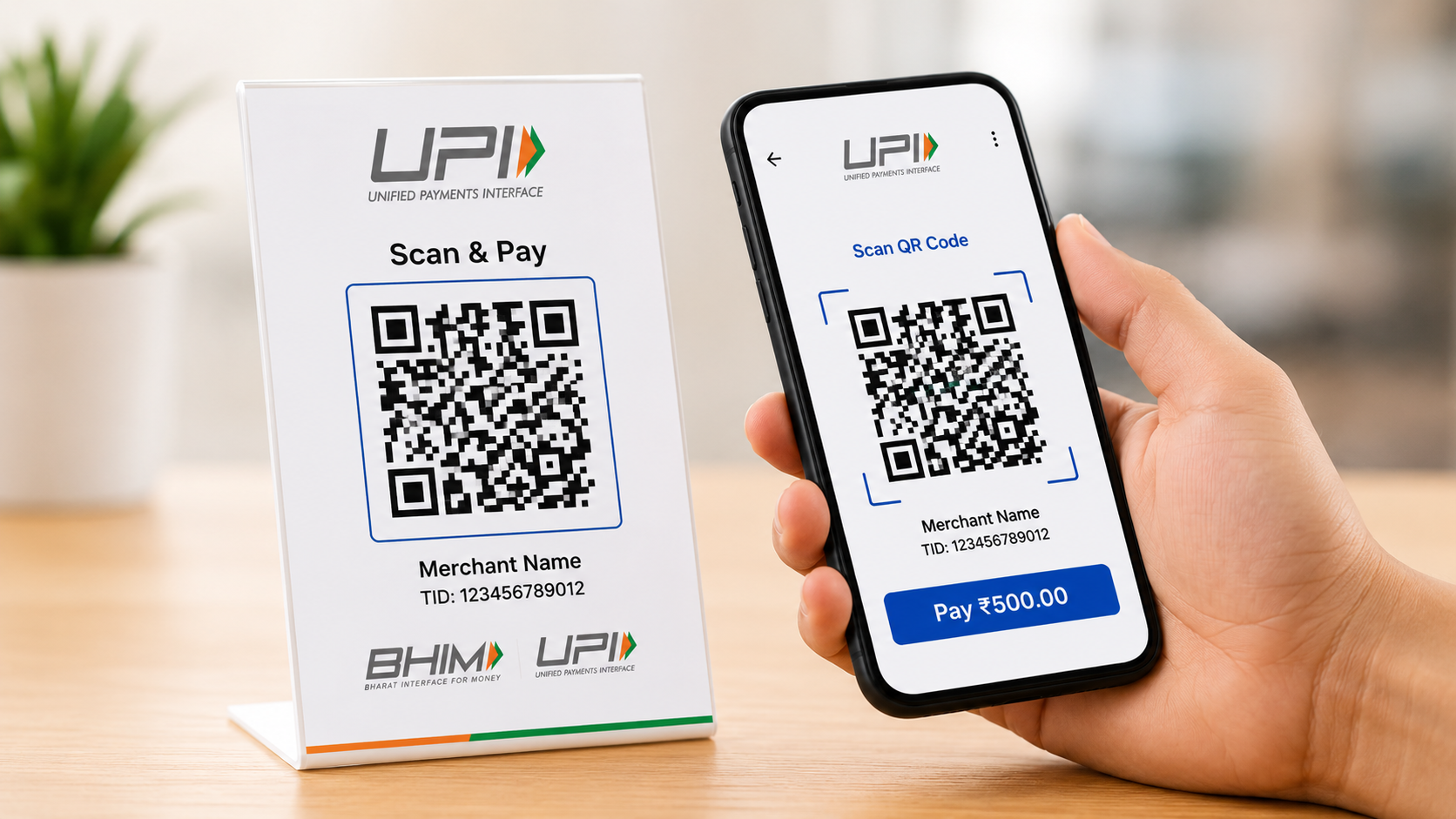
India's zero-MDR regime, in place since January 2020, ends October 15 with a 0.4% charge on merchant UPI payments above Rs 2,000, capped at Rs 300 per transaction. Builders in payments, lending, and neo-banking need to model how this reshapes unit economics—especially for small merchants and the fintechs bundling UPI as a free feature.
Sundar Pichai highlighted Google's AI work in healthcare, education, and weather forecasting, arguing advances in the technology can accelerate breakthroughs despite debate over slowing AI development. Indian builders in healthtech, edtech, and climate should track Google's partnerships and APIs—these are the templates for enterprise AI adoption.
Factory, an AI-assisted coding startup, reached a $5 billion valuation as enterprise buyers accelerate adoption of generative AI for software development and workforce productivity. The valuation spike signals that developer tooling is now a winner-take-most market—if you're building in adjacent spaces (QA, deployment, infrastructure), competitive pressure is intensifying.
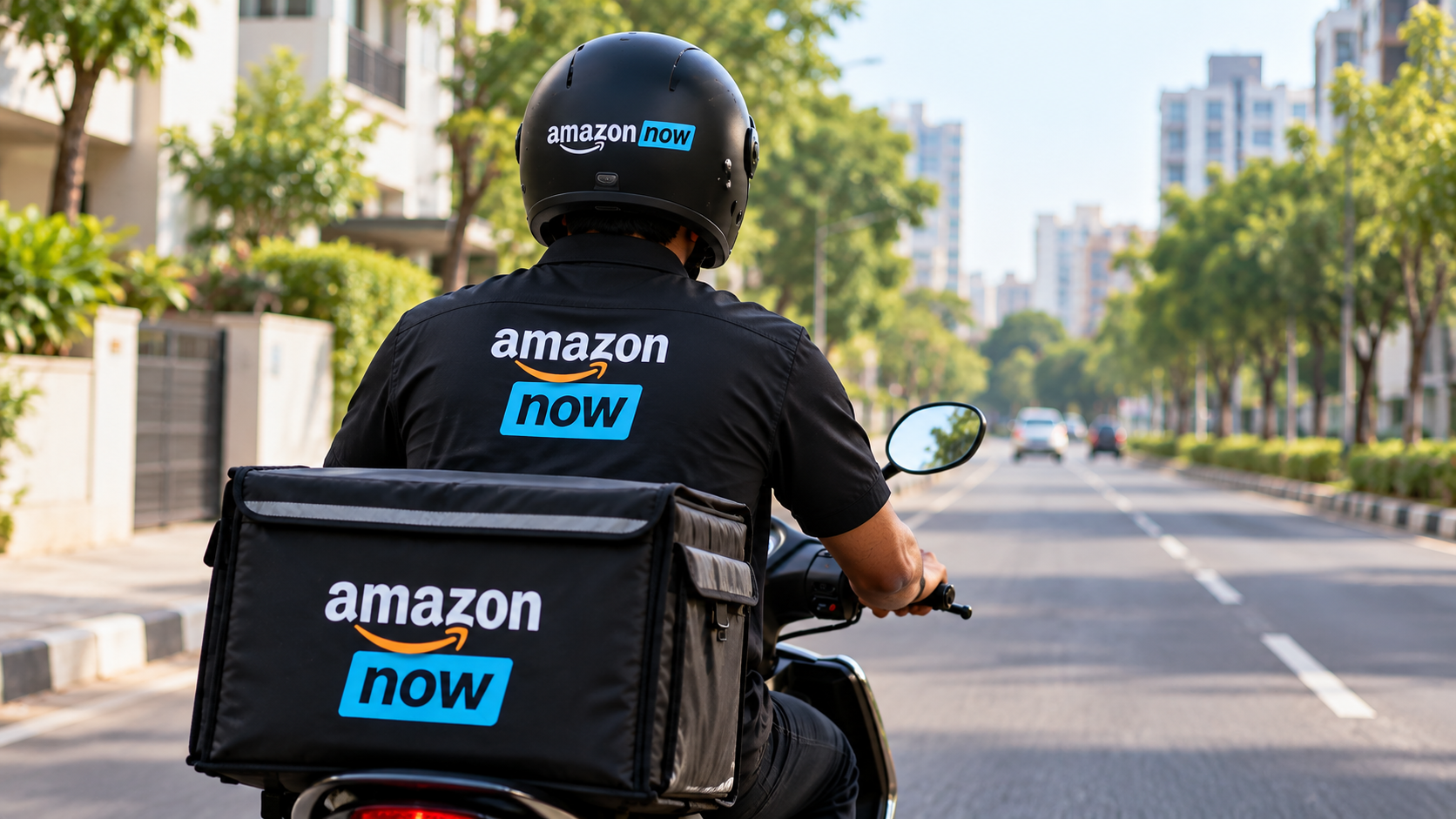
Amazon Now reached $1 billion in annualised gross sales in India and is rapidly expanding its minutes-based delivery network beyond metros into tier-2 and tier-3 cities. Expect hyperlocal fulfillment and dark store density to become the competitive moat—builders in logistics, warehousing, or micro-fulfillment should prepare for Amazon's operational playbook to expand geographically.
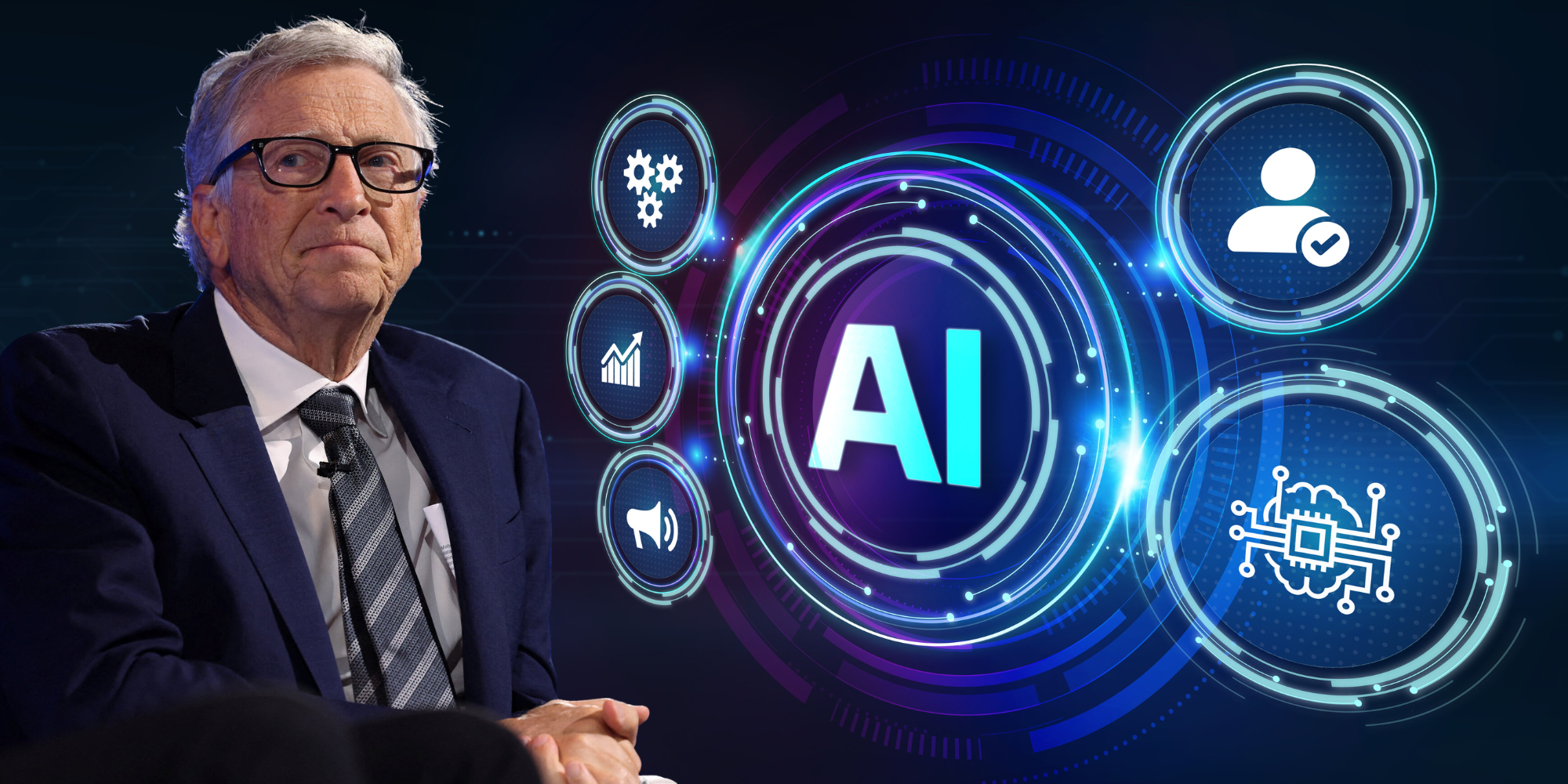
The Bill & Melinda Gates Foundation committed $1 billion to support AI in education, healthcare, and agriculture with focus on underserved communities. Edtech founders targeting emerging markets should track Gates Foundation partnerships—$1B in capital and credibility can redirect entire verticals toward equity-first AI.
Digital consumer lending platform Fibe, operated by Social Worth Technologies, received SEBI approval for a Rs 750 Crore fresh equity IPO. Fibe's path to IPO signals fintech lending is maturing—but regulatory scrutiny on consumer lending is intensifying; builders should expect deeper scrutiny of default management and borrower protection.
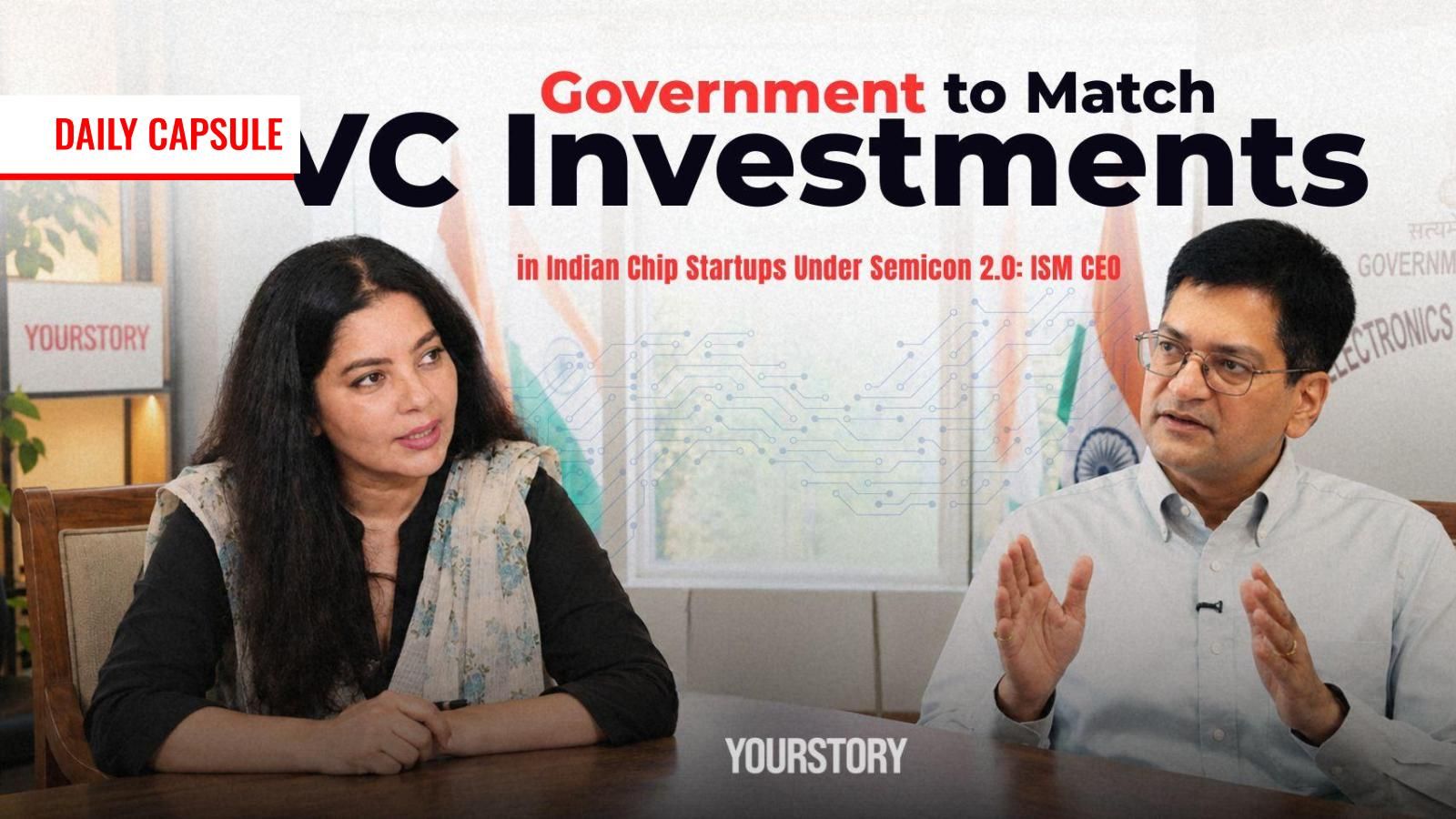
India's Ministry of Electronics announced it will match VC funding into domestic chip startups as part of Semicon 2.0, with ISM CEO Amitesh Kumar Sinha explaining the strategy. Chip designers, EDA tool builders, and semiconductor equipment startups now have a 2x capital multiplier—if you're in the Indian chip stack, this is the moment to raise.
Xiaomi launched the Redmi Note 17 Pro Max in India with a 10,000 mAh silicon-carbon battery and 100W charging, while the Note 17 Pro features a 9,000 mAh battery; both start at Rs 33,999 with 6.83-inch AMOLED displays. Battery capacity is now a mass-market differentiator—if you're building in battery chemistry, charging infrastructure, or power management, phone OEMs are racing for endurance as a feature.
IPO-bound NODWIN Gaming launched NODWIN Sports, a mainstream sports vertical focused on sporting properties, mass-participation events, and commercial partnerships, with Gurbaksh Virdi (ex-Adidas) leading. Gaming and sports franchising are now overlapping—builders in community tournaments, fantasy sports, and live-streaming should expect gaming platforms to move into sports management.
 Arjun’s TLDR
 Meera’s TLDR