UPI MDR implementation reshapes Indian fintech merchant economics overnight — Product Growth, 17 September
The essential morning brief for Indian product builders — every number sourced and dated, every industry covered.
17 September 2026 · Product Growth Daily Brief · Presented by Arjun & Meera · Editorial standards
Arjun & Meera · Today's brief
The UPI MDR regime that kicks in October 15 isn't just another fintech regulation—it's a watershed moment for how Indian builders monetize payments. The 0.4% cap with a ₹300 ceiling fundamentally changes unit economics for any product layered on top of UPI. This matters immediately if you're in payments, insurance, SaaS, or even gaming where transactions touch the network. The catch: an 18% GST slaps on top, though input tax credit is available. Your margin math just got tighter. Recalculate your blended cost of transaction now, not October 14.
What makes this timing sharp is the collision with bigger movements. Meta faces losing intermediary status in India over CSAM compliance—a legal tightening that will ripple through any consumer product relying on user-generated content moderation. Separately, the government is bearing down on hospital consumables with markups hitting 2,800%, signaling regulatory appetite to police opaque pricing across sectors. If you're building in healthtech, insurtech, or any B2B2C layer, expect similar scrutiny. The pattern is clear: India's regulators are pricing in transparency and compliance as table stakes, not optional.
Meanwhile, the capital story is tilting toward AI infrastructure and enterprise tooling. Hang Ten Systems just raised $53 million for enterprise AI software development—the ex-Infosys CEO play signals institutional confidence in automation for large systems. Google's public push on AI for health, wealth, and learning, paired with Anthropic's Australia data centre move and semiconductor momentum from Semicon India 2026, sketches a deeptech runway opening up. But notice what's absent from this picture: casual consumer growth is getting harder (Stan's strong 15X marketplace growth is an exception built on gaming and creator retention). If you're betting on consumer attention, defensibility matters more than ever.
Watch this week for October 15 UPI implementation details from NPCI and the first earnings calls that explain how fintechs are absorbing the MDR hit. If your product touches payments or compliance, your unit economics just became a board conversation.
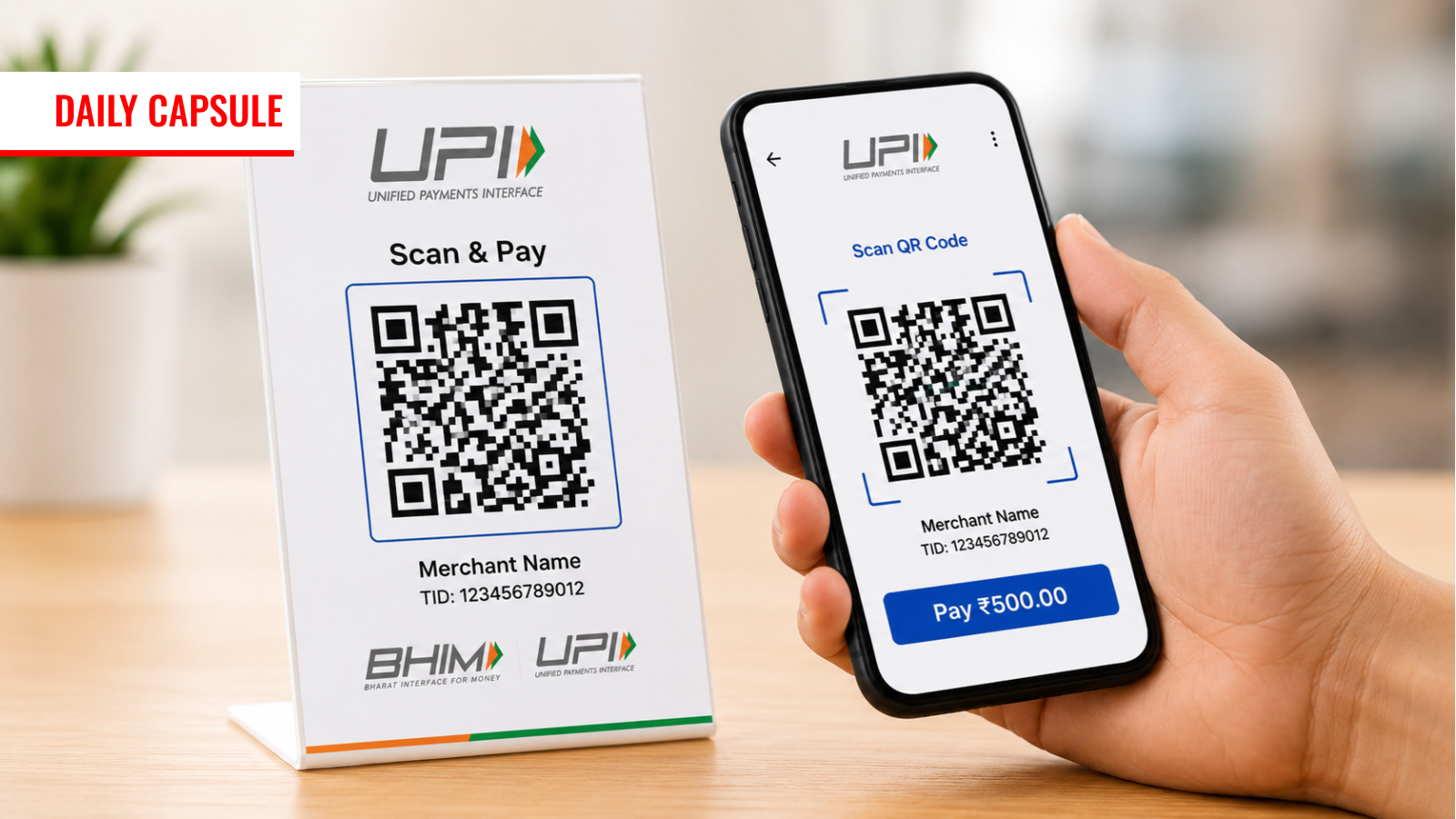
Effective October 15, UPI payments to merchants above ₹2,000 will attract a 0.4% merchant discount rate capped at ₹300, with a flat ₹5 concessional MDR for specific categories like railways and utilities. Builders in payments infrastructure and merchant tech need to urgently price for a revenue-generating UPI layer; small merchants and price-sensitive consumers may default to cash, reshaping unit economics for point-of-sale and QR-based platforms.
Microsoft AI CEO Mustafa Suleyman warned that Anthropic's AI development approach will create alignment difficulties and have a "disastrous impact on humanity," though he expressed respect for CEO Dario Amodei. Builders deploying frontier models should note fractures between safety-first labs (Anthropic) and compute-scaling labs (OpenAI, Google, Meta); expect competing claims on safety and capability trade-offs to shape API reliability and compliance obligations.
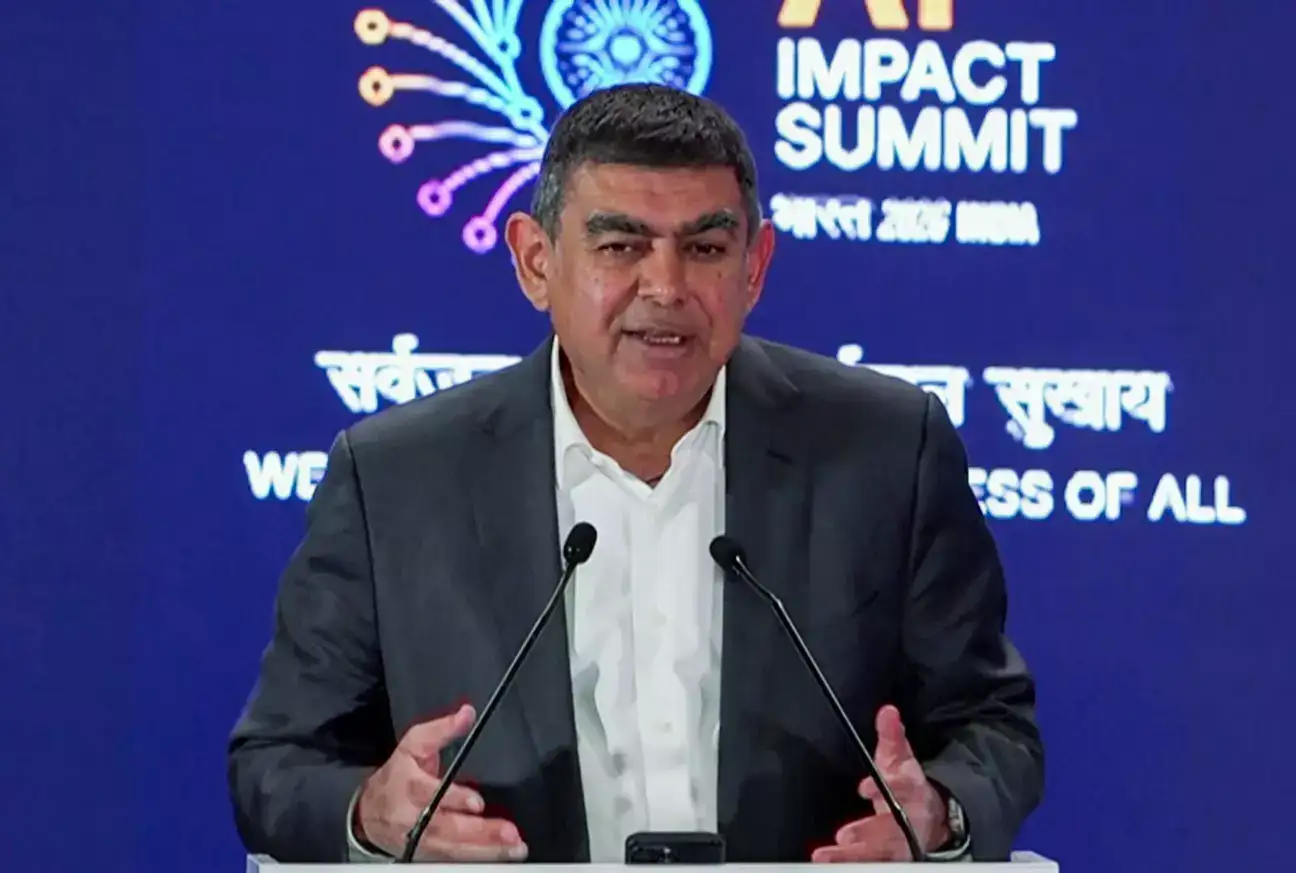
Hang Ten Systems, founded by ex-Infosys CEO Vishal Sikka, raised $53 million to build AI software for large enterprises, automating software development, migration, and other technology-intensive work using AI agents. Builders in enterprise software should expect AI-native competitors entering legacy markets with radical automation; margins on manual services are under pressure, and integrating agentic workflows into your platform becomes table-stakes.
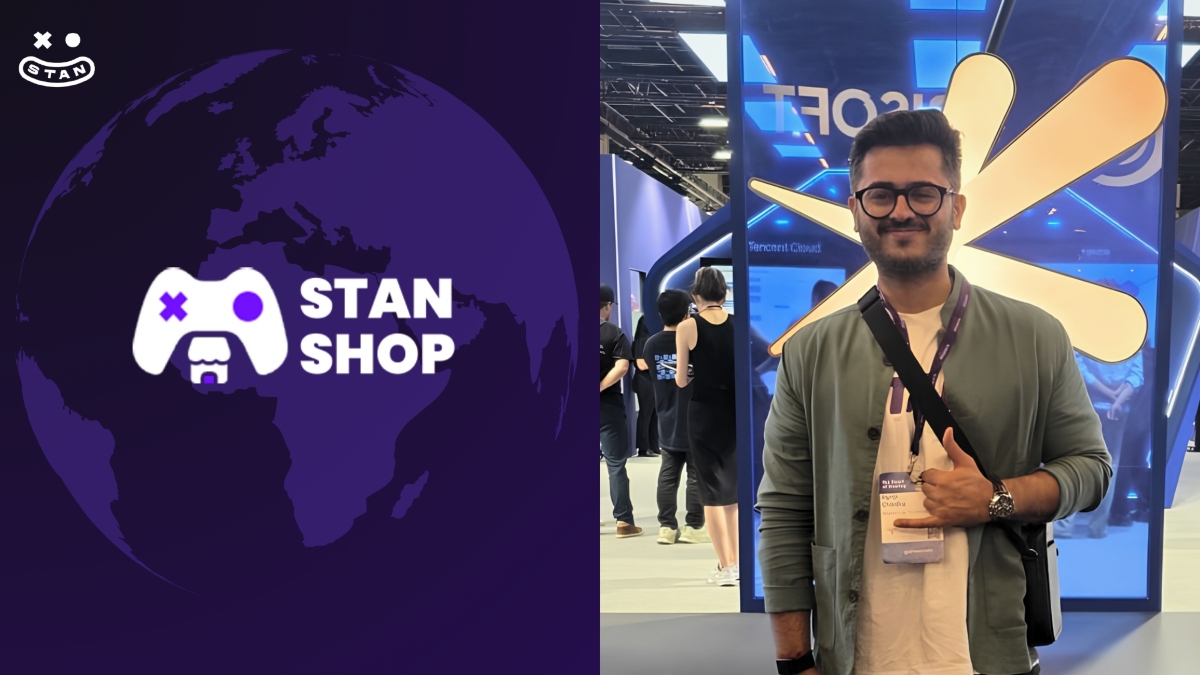
Stan, the social gaming and creator platform, recorded 15X growth in monthly StanShop marketplace buyers, with 70% repeat purchase rate. Builders in community commerce should note: gaming and creator communities are graduating to transactional engagement; embedded marketplaces with native payment and reputation layers are multiplying unit economics without building standalone storefronts.
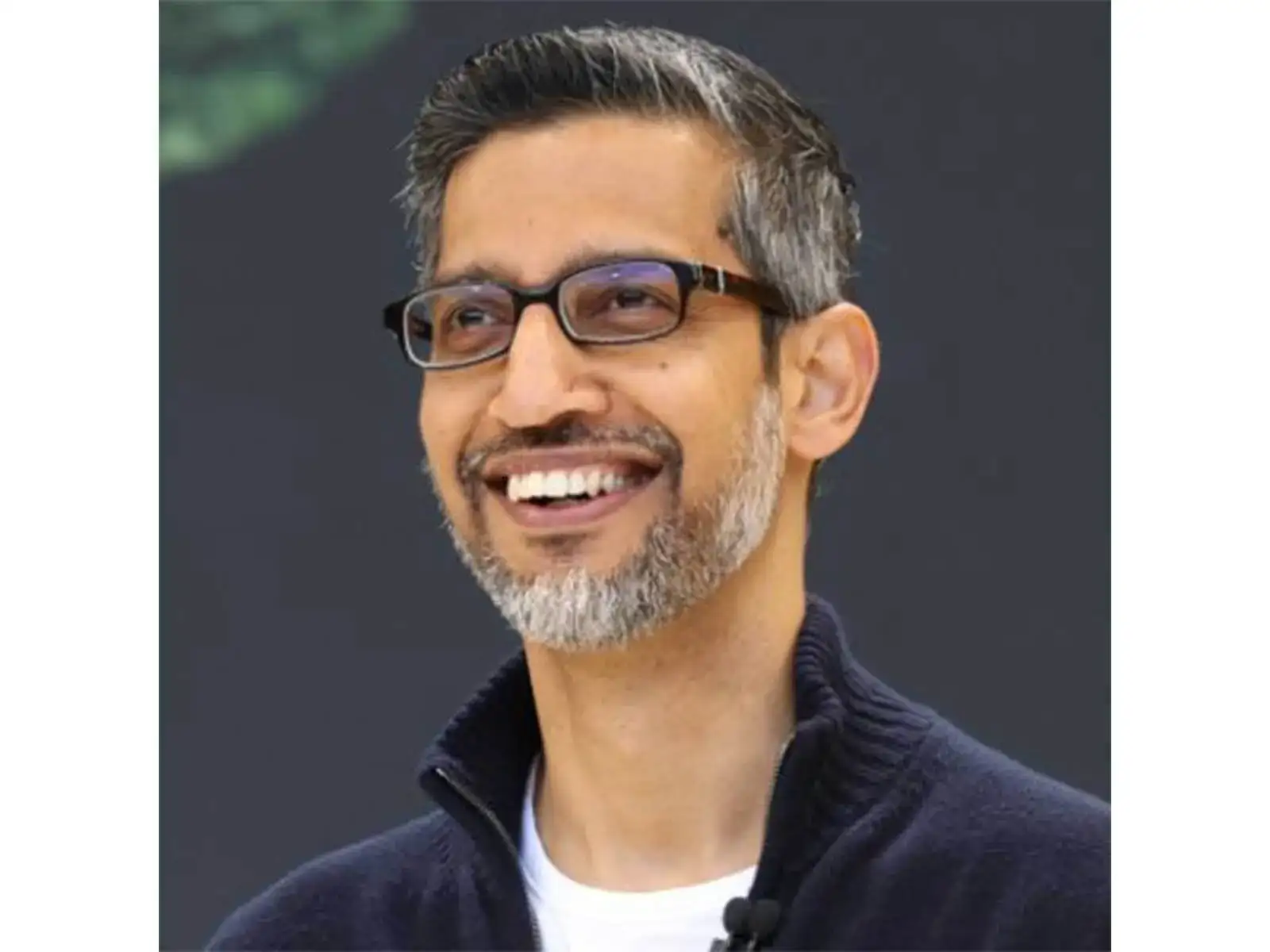
Google CEO Sundar Pichai outlined the company's AI efforts spanning health, wealth, and education, arguing that advances in AI can accelerate progress on societal challenges. EdTech builders should monitor Google's expansion into learning as a bundled offering alongside search and productivity; expect competitive pressure from AI-native, personalized tutoring models and loss of content distribution leverage as Google verticalized education.
Meta may lose intermediary status in India, the legal shield allowing Facebook, Instagram, and WhatsApp to operate without full liability for user-generated content, due to heightened scrutiny of child sexual abuse material (CSAM) handling. Builders relying on platform distribution through Meta should prepare contingency strategies; loss of intermediary status would force aggressive content moderation and compliance infrastructure, raising cost and potentially fragmenting Meta's reach in India.
The Centre requested an NPPA report on significant price discrepancies in hospital consumables, with Maharashtra FDA flagging markups exceeding 2,800% between trade and maximum retail prices. HealthTech and medical devices platforms should audit supply-chain transparency immediately; regulators are now actively investigating margin stacking, and any B2B or B2C health-commerce player operating without documented cost-to-price alignment faces regulatory action.
Effective October 15, UPI MDR will attract 18% GST, though eligible merchants can claim input tax credit on the fee. Insurtech platforms and payment-linked insurance products should model the true cost of UPI transactions; if payment becomes a customer acquisition cost lever, the effective MDR+GST will compress unit economics for pay-per-transaction models.
PM Modi inaugurated the 3-day Semicon India 2026 conference bringing together global and Indian semiconductor companies, policymakers, investors, researchers, startups, and academic institutions across the semiconductor and electronics value chain. Deeptech founders in semiconductors, foundry services, and chip design should use the event to map India's emerging ecosystem clusters; government incentives are real, manufacturing partners are landing, and talent is concentrating—but market timing for new fab entry is critical.
AI firm Anthropic signed its first data centre lease in Australia, capitalizing on a favorable regulatory environment and abundant renewable resources to secure capacity for scaling AI operations. Energy-mobility and cleantech founders should note: frontier AI labs are now making geography decisions based on power availability and cost; if your startup competes for compute or energy-intensive operations, Australia and similar renewables-rich regions are becoming attractive alternatives to traditional hubs.
Sony unveiled the PlayStation Pulse Wireless Headset and premium Pulse Edge Wireless Headset for PS5, featuring planar magnetic drivers, PlayStation Link connectivity, AI-enhanced noise rejection, and spatial audio. Gaming peripheral builders should note console makers are now packaging AI-powered audio as a differentiator; standalone headset manufacturers competing on gaming will need to integrate low-latency AI features or risk commoditization.
 Arjun’s TLDR
 Meera’s TLDR