Arjun & Meera · Today's brief
The UPI MDR bomb just dropped, and it's reshaping who wins in fintech this year. Fourteen startups closed funding this week totaling $59 million—a sharp cliff from the usual pace—because merchants are suddenly bleeding margin on every transaction. This isn't abstract policy; it's immediate cash-flow pain for payment processors, lending platforms, and anyone whose unit economics depended on thin spreads. If you're building in fintech, assume your go-to-market cost just went up or your customer acquisition payback just went down. The winners won't be the ones fighting the regulation; they'll be the ones pivoting verticals or defensively building on top of existing merchant relationships.
Which brings us to why Swiggy's vertical expansion is the play everyone's quietly studying right now. Food delivery is a capital sink with commoditized margins—Swiggy's answer is to weaponize its logistics network and merchant trust into quick-commerce, marketplace, and adjacent services. It's the same playbook Disha (formerly Curelink) is executing in healthtech: raise Series A at scale ($43.88 crore led by General Catalyst) and stack products on top of a single customer relationship. General Catalyst doesn't back chronic-care coaching on faith alone; they're seeing unit economics that work. For builders still stuck in single-vertical thinking, this is the week to audit whether you're defensible as-is or whether your real moat is the relationship layer you've built.
The deeper pattern: capital is flowing toward builders with revenue already proven at scale. SEDEMAC just traded up 100% on IPO debut with Rs 1,087 crore in revenue—deeptech that works is no longer a moonshot story. OnEMI's Rs 832 crore raise signals digital lending isn't radioactive, despite NBFC headwinds. Even Crunchyroll is doubling down on anime content while the streaming wars rage, because they've found a defensible audience segment. The message is blunt: investors are paying premium multiples for founders who've cracked repeatable unit economics and aren't chasing vanity-metric growth.
Spend this week auditing whether your product solves a problem worth expanding into or whether it's a feature waiting for a platform. If MDR or margin pressure is squeezing you, the answer isn't to fight it—it's to become essential to someone else's core unit economics.

Fourteen startups closed funding amid the introduction of Merchant Discount Rate on UPI, marking a sharp decline in weekly capital activity. Builders should monitor how MDR implementation evolves—pricing friction at the payment layer directly affects unit economics for fintech platforms and liquidity availability.

The AI-powered health coaching platform securing Series A funding signals investor appetite for chronic-care and personalized wellness at scale. Builders in healthtech + AI should note: General Catalyst's cheque validates diet, fitness, and chronic-disease models as defensible verticals—focus on engagement retention and clinical outcomes proof.

Swiggy is building multiple revenue streams layered on its food-delivery logistics and merchant relationships. Builders in quick-commerce, marketplace, or hyperlocal logistics should study Swiggy's motion: marginal product adds (cloud kitchen tech, payment rails, intra-city services) reduce churn and improve unit economics without new customer acquisition.

Crunchyroll's robust fall lineup signals continued investment in anime content amid streaming consolidation. If you're in entertainment or creator platforms, note that vertical content bets (anime, Korean drama, Indian languages) still drive subscriber stickiness—broad content buys are being replaced by deep-niche programming.
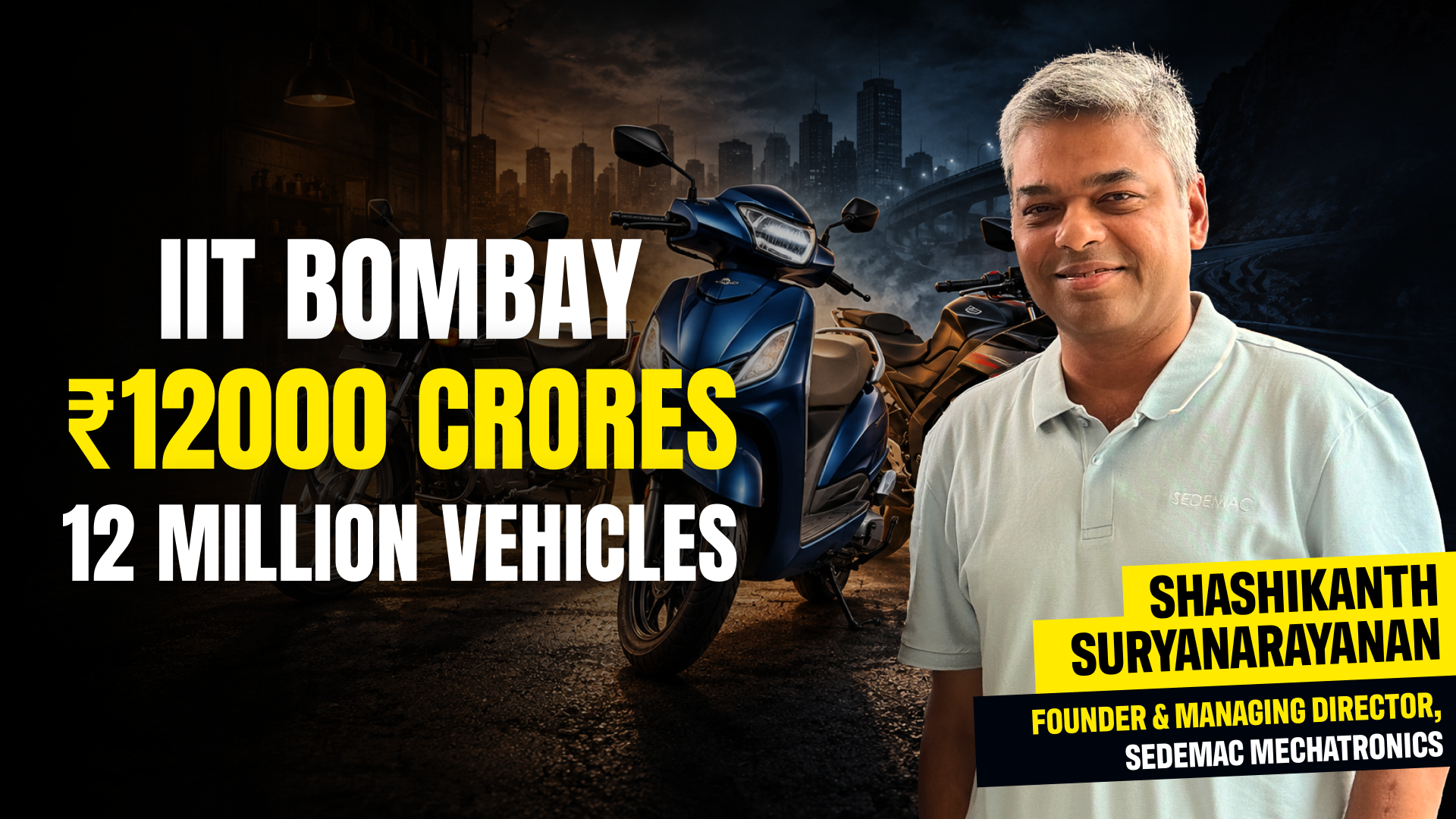
SEDEMAC's journey from IIT Bombay research to Rs 1,087 Cr IPO (trading up 100% post-listing) demonstrates investor appetite for deeptech with proven revenue scale. Builders in materials science, semiconductors, or industrial tech should target Rs 500+ Cr ARR before IPO filing—public markets now demand operational profitability, not just innovation pedigree.
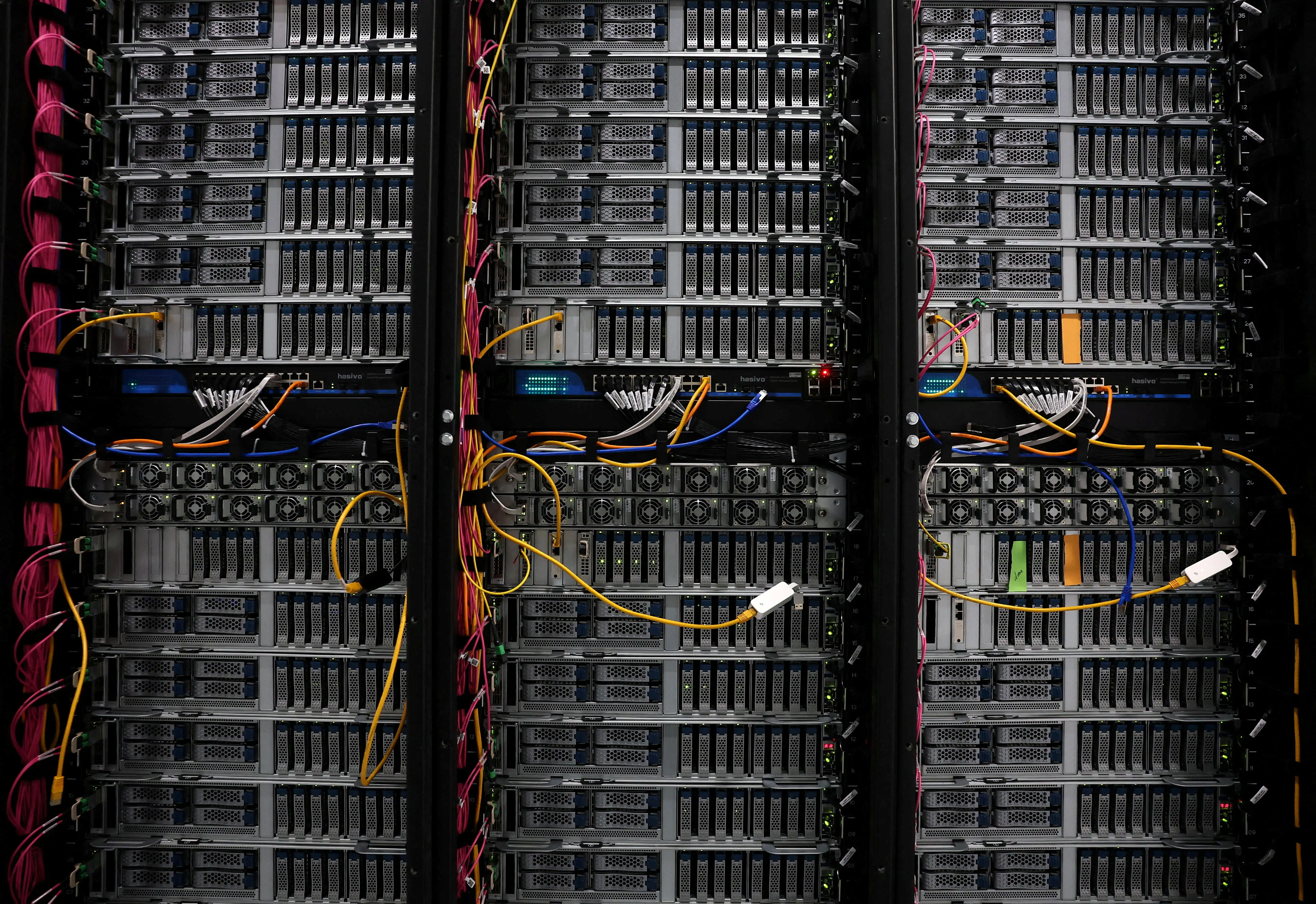
Virginia—the world's largest data center hub—tightened restrictions by banning NDAs and mandating clean energy compliance, signaling policy headwinds for energy-intensive compute. If you're building AI infrastructure, charging networks, or grid-tied energy platforms in India, assume regulatory tightening around carbon compliance and local energy sourcing—embed sustainability metrics into your unit model now.

Akshaj Shenoy leads India's six-member LoL contingent at the Asian Games 2026 (Sept 19–Oct 4 in Aichi-Nagoya, Japan), marking esports' arrival as a mainstream competitive sport in Asia. Gaming platforms and esports builders should prepare content and community engagement around the Games—expect viewership spikes and sponsor interest in India's esports talent pipeline through October.

Kissht's parent OnEMI cleared a Rs 832.2 Cr raise to 34 non-promoter investors at Rs 314.11 per share, signaling confidence in digital lending despite NBFC headwinds. Builders in BNPL and marketplace lending should monitor whether this capital fuels product expansion (lending adjacencies) or geographic scaling—ownership dilution often precedes strategic pivots.
 Arjun’s TLDR
 Meera’s TLDR