Semiconductor manufacturing investments set to transform India's tech landscape — Product Growth, 21 September
The essential morning brief for Indian product builders — every number sourced and dated, every industry covered.
21 September 2026 · Product Growth Daily Brief · Presented by Arjun & Meera · Editorial standards
🎧 Listen to this edition — Arjun & Meera, 21 September 2026
Arjun & Meera · Today's brief
The funding drought is real, and it's forcing a reckoning. Weekly VC capital fell below $100 million for the seventh time this year—a number that should make every founder stop and ask whether they're building for venture scale or actual unit economics. The ecommerce and logistics space, once the darling of Indian VCs, is bearing the brunt. What matters here isn't just scarcity; it's that capital constraints are now filtering for founders who can prove revenue momentum, not just user growth stories.
This tightness is reshaping the entire ecosystem in ways worth watching. The CGSMFI 2.0 scheme shows what happens when capital sits unutilized: Rs 20,000 crore allocated, but lenders expect to use only Rs 8,000-9,000 crore. The gap isn't incompetence—it's friction. Microfinance institutions can't deploy faster than their operational capacity allows. Meanwhile, platforms like Kissht are scrapping for capital four months after going public, raising fresh funds through preferential issues at Rs 314.11 per share. If a newly listed fintech is hunting for more money this quickly, the market is clearly repricing risk across the board.
But founders aren't just surviving—some are investing. PhysicsWallah's Alakh Pandey and Prateek Boob, along with Udaan's Sujeet Kumar, are backing Furnishka's Rs 26.8 crore raise. This matters because successful founders are doubling down on *operational* categories—furniture, not another consumer app. Meanwhile, the deeptech horizon is shifting: semiconductor investments are starting within six months, and Meta's new WhatsApp Business AI agent integration (Claude, Codex, ChatGPT-enabled) is lowering the bar for SMBs to go digital. Even the WHO's warning about 25% of doctors retiring by the 2030s isn't just a healthcare stat—it's a signal that healthtech and AI automation will outpace traditional labor supply.
Here's the pattern: capital is scarce, but it's flowing toward founders who solve real operational problems, not just capture eyeballs. The productivity dip that McKinsey flagged—30% of companies losing output after agentic AI adoption—also tells you something crucial: building the agent matters less than fixing the workflow it touches. Watch this week for which founders pivot toward solving utilization gaps (like microfinance's deployment friction) versus chasing new TAMs. The winners won't be the fastest growers anymore. They'll be the ones who make capital work harder.
Indian startup ecosystem weekly funding dropped below $100 million for the seventh instance this year, signaling structural capital scarcity. Ecommerce and logistics founders should prioritize unit economics and slower burn over growth-at-all-costs narratives.
The credit guarantee scheme for microfinance institutions is expected to see utilization of only Rs 8,000-9,000 crore out of its Rs 20,000 crore allocation, with smaller lenders continuing to struggle with funding access despite the scheme's extension. Builders in lending should note that guarantee schemes alone don't solve access gaps—execution friction and lender-side constraints remain.
PhysicsWallah co-founders Alakh Pandey and Prateek Boob, along with Udaan's Sujeet Kumar, are investing in furniture startup Furnishka's extended pre-Series A round of Rs 26.8 crore. Edtech builders should note: successful education founders are now diversifying into commerce and supply chain—the playbook (unit economics, unit growth) is portable.
Digital lending platform Kissht is raising fresh capital through a preferential issue of up to 26.49 million equity shares at Rs 314.11 each to 34 non-promoter investors, just months after its public market debut. Builders should watch whether post-IPO fundraising becomes the norm for startups facing growth headwinds or stricter lending regulations.
Nearly a third of enterprises implementing agentic AI tools experienced productivity losses, revealing operational friction despite rapid adoption of autonomous systems, per McKinsey's Tech report. SaaS builders should embed change management, workflow redesign, and rollback mechanisms into agentic product design, not just agent capability.
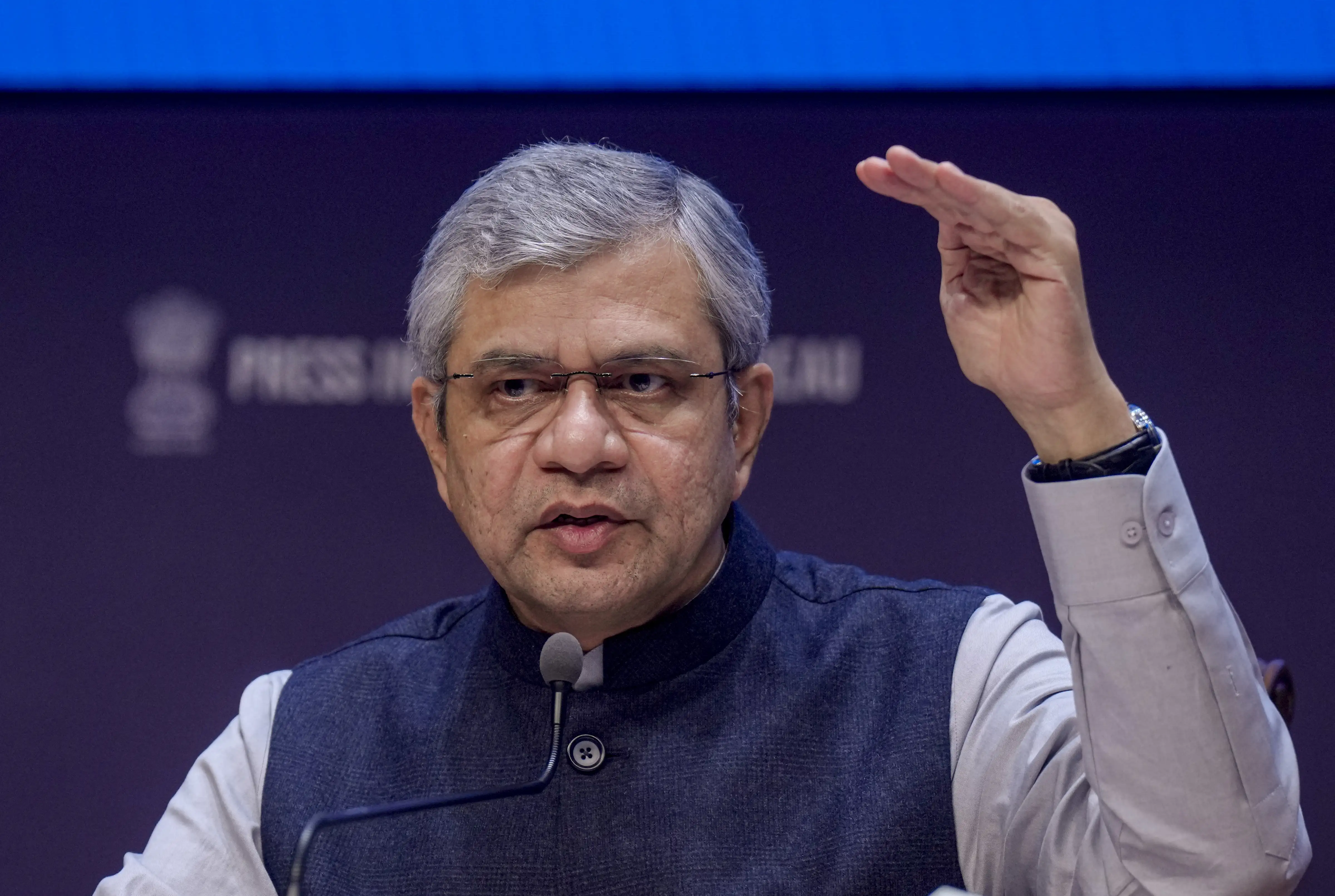
IT Minister Ashwini Vaishnaw indicated the next tranche of investments under India's semiconductor scheme will start within six months. Deeptech founders in chip design and manufacturing should begin pre-positioning partnerships, talent, and R&D roadmaps now—the timeline is concrete.
Meta launched a tool connecting AI agents (Claude, Codex, ChatGPT) to WhatsApp Business for account setup, verification, message templates, and webhooks without human intervention. Builders should treat WhatsApp Business as an AI integration point, not just a messaging channel—automation here reaches 100M+ businesses directly.
The World Health Organization warned of a physician shortage looming in the 2030s, with approximately a quarter of doctors expected to retire within the decade. Healthtech builders should accelerate diagnostic automation, clinical decision support, and physician enablement tools—labor supply constraint is now structural policy reality.
One of the world's most notorious cybercrime groups claimed to have hijacked a rival's dark web site, escalating a long-standing feud into public view. Insurtech builders should escalate cyber risk pricing and threat monitoring—organized cybercrime is fragmenting and becoming more volatile, making risk harder to predict.
 Arjun’s TLDR
 Meera’s TLDR