Indian startups attract record funding as valuations surge past unicorn thresholds — Product Growth, 26 September
The essential morning brief for Indian product builders — every number sourced and dated, every industry covered.
26 September 2026 · Product Growth Daily Brief · Presented by Arjun & Meera · Editorial standards
🎧 Listen to this edition — Arjun & Meera, 26 September 2026
Arjun & Meera · Today's brief
The edtech funding momentum isn't slowing—it's accelerating upward. Arivihan just closed Rs 96 crore Series A at Rs 570 crore valuation, backed by repeat investors Accel and Prosus, barely a year after their last round. That's the signal: the category still has institutional conviction despite broader slowdowns. What's worth noting is *why* they keep writing checks. Arivihan operates in AI-driven personalized learning, a wedge that works because it solves the unit economics problem most edtech founders stumble on. Meanwhile, K12 Techno Services just granted Rs 190 crore in fresh ESOPs to retain talent—a move that signals confidence in building long-term but also acknowledges the real cost of keeping builders when the market gets hot.
The broader pattern today cuts across three vectors. First, deeptech is getting state backing: GalaxEye secured Rs 63.8 crore in RDI support for multisensor satellite tech, which means government is actively de-risking hard tech plays. Second, fintech is fragmenting—Per Annum chasing Rs 10,000 crore AUM by expanding into P2P lending and fractional real estate tells you retail alternatives are outpacing traditional products. Third, regulation is reshaping margins: IRDAI reforms are now pressuring insurance fee income for NBFCs like L&T Finance, Axis, and Ujjivan. The playbook is shifting from pure lending to ecosystem plays. Even mobility is in flux—OEMs are now running millions of simulated scenarios to stress-test AI safety before V2V/V2X mandates hit, which is less about product and more about compliance becoming the moat.
Public markets are also reopening. AceVector raised Rs 189 crore from 14 anchor investors at Rs 32 per share ahead of Snapdeal's IPO, signaling appetite is back for ecommerce plays with proven unit economics. Meanwhile, internationally, niche dating apps like Rivet just landed $10.5 million (Peak XV, Shine Capital leading) because vertical specificity beats horizontal when users demand real matching. The thread connecting these: founders building at scale need capital, but capital only flows where regulation and margins align.
Watch this week for whether Snapdeal's IPO subscription oversubscription ratio signals broader appetite for Indian tech exits, and whether fintech founders are quietly repositioning away from pure lending into credit alternatives before IRDAI tightens further.
AI edtech startup Arivihan is raising Rs 95.86 crore in Series A co-led by existing investors Accel and Prosus at Rs 570 Cr valuation, its second fundraise in 15 months. AI-native edtech still has investor conviction; the thesis is differentiated learning outcomes at scale, not just content distribution.
Snapdeal's parent AceVector raised Rs 189 crore from 14 anchor investors at Rs 32 per share ahead of its IPO, which remains open for subscription until September 29. Anchor participation signals institutional appetite for consolidated ecommerce plays; diversification across Snapdeal, Unicommerce and Stellaro Brands de-risks the narrative.
Dating startup Rivet raised $10.5 Mn in seed funding from Peak XV Partners, Shine Capital and others, per Inc42. Niche vertical dating apps are attracting institutional capital; international scaling is the new thesis after domestic markets consolidated.
Spacetech startup GalaxEye secured Rs 63.84 Cr in financial support under the Centre's Research, Development and Innovation Fund for multisensor satellite tech. Government is actively funding deeptech hardware; builders should map RDI fund timelines and compliance requirements into fundraising strategy.
Alternative investment platform Per Annum, which reached Rs 1,500 crore in AUM in August 2026, is expanding into P2P lending, private credit, and fractional real estate as investor demand for diversification grows. Marketplace fintech models layering credit and alternatives onto ecommerce rails are capturing wallet share from traditional brokers.
K12 Techno Services, which operates the Orchids International school chain, granted over Rs 190 crore in fresh employee stock options under its ESOP Scheme 2026. Edtech operators are using equity heavily to lock in talent; cash constraints in a high-interest environment are forcing equity-heavy compensation structures.
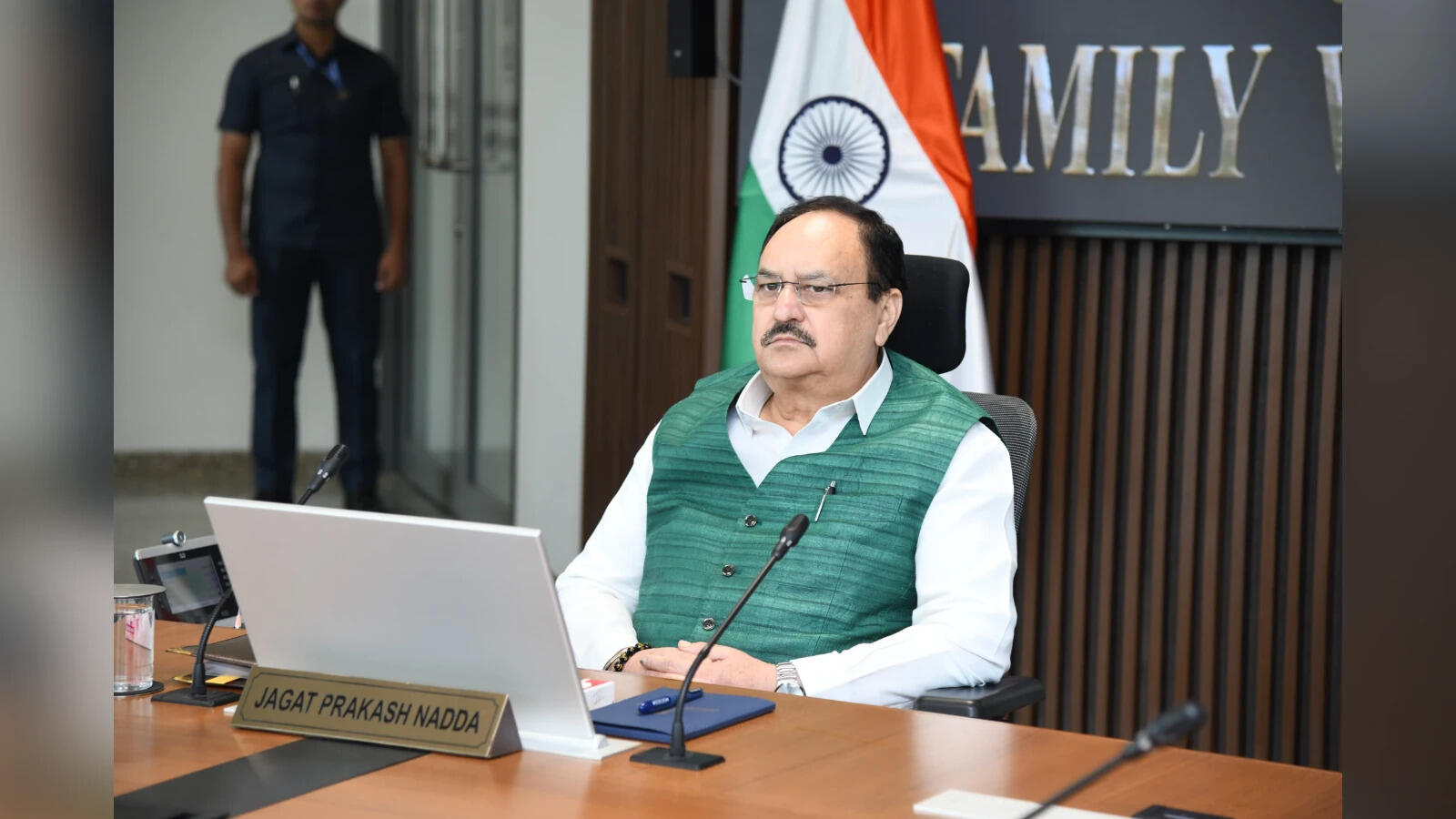
Union Health Minister Nadda stated that Ayushman Bharat has covered 60 crore beneficiaries since launch eight years ago and has emerged as the world's largest health assurance programme. Healthtech builders should design for public health scale and government system interop; the real TAM is government-backed insurance, not out-of-pocket.
As V2V/V2X mandates approach, OEMs are deploying SIL and HIL simulation technologies to test millions of safety scenarios and connectivity failures before deploying AI-driven systems on public roads. Indian automotive builders should begin simulation-first architecture now—regulatory timelines are tightening and physical road testing will become the exception, not the rule.
L&T Finance has the highest NBFC exposure, with insurance commission accounting for 26% of FY26 PBT and 80 basis points of average assets, all now pressured by IRDAI reforms. Insurance revenue erosion at financial services conglomerates will ripple through lending margins; builders should expect consolidation and vertical integration.

 Arjun’s TLDR
 Meera’s TLDR