IIT Madras Deeptech Fund Closes ₹450 Crore First Tranche — Product Growth, 27 September
The essential morning brief for Indian product builders — every number sourced and dated, every industry covered.
27 September 2026 · Product Growth Daily Brief · Presented by Arjun & Meera · Editorial standards
🎧 Listen to this edition — Arjun & Meera, 27 September 2026
Arjun & Meera · Today's brief
Regulation just became your biggest product constraint—and your biggest competitive moat. The IRDAI's commission restructuring wiped $3.6B from insurtech valuations this week, with PB Fintech and Turtlemint taking the hardest hits. But here's what matters: this isn't chaos, it's clarity. Founders who've been building insurtech on legacy commission economics are now forced to rebuild unit economics around actual customer value, not regulatory arbitrage. The ones who survive will own defensible products. The ones who don't were never building for the right reasons.
Meanwhile, India's deeptech and infrastructure bets are accelerating in exactly the opposite direction. IIT Madras just closed ₹450 crore in its first tranche with ₹55 crore already deployed—patient capital designed for 7-10 year horizons. And Andhra Pradesh's 70% renewable energy mandate for data centres isn't a burden; it's a signal that the state is betting on becoming a hyperscale hub. That timing matters: BlackRock projects hyperscaler cloud revenues will exceed $1 trillion by 2030, driven by AI infrastructure demand. If you're building data-heavy AI products, this is where the infrastructure tailwind lives.
The product complexity warning comes from Salesforce. Arundhati Bhattacharya's note on agentic AI isn't new, but it's landing at exactly the right moment: deployment requires "intentional change management." Translation: shipping AI features is the easy part. Making them actually change how teams work is the hard part—and that's where most builders will stumble. Pine Labs already learned this the hard way; after three decades in hardware, they pivoted to an AI-powered fintech stack because the real margin was in infrastructure, not devices. Study that playbook.
Watch this week for any founder defensibility statements from remaining insurtech players—they'll telegraph who's pivoting to margin-positive unit economics and who's still betting on regulatory tailwinds. That's your signal on who survives the reshuffling.
Insurtech stocks including PB Fintech and Turtlemint crashed this week following IRDAI's proposed commission restructuring, wiping $3.6B from combined market cap. Builders in insurance distribution should model revenue impact immediately—PB Fintech's core online insurance revenue faces a potential 30% hit if changes are implemented.
IIT Madras, IITMRP, and Unicorn India Ventures closed the first close of their deeptech-focused fund at ₹450 cr, with ₹55 cr already deployed across four startups, and a target corpus of ₹1,000 cr. Deeptech founders should engage with this fund cohort early—IIT Madras' institutional backing de-risks early-stage R&D and helps with talent recruitment.
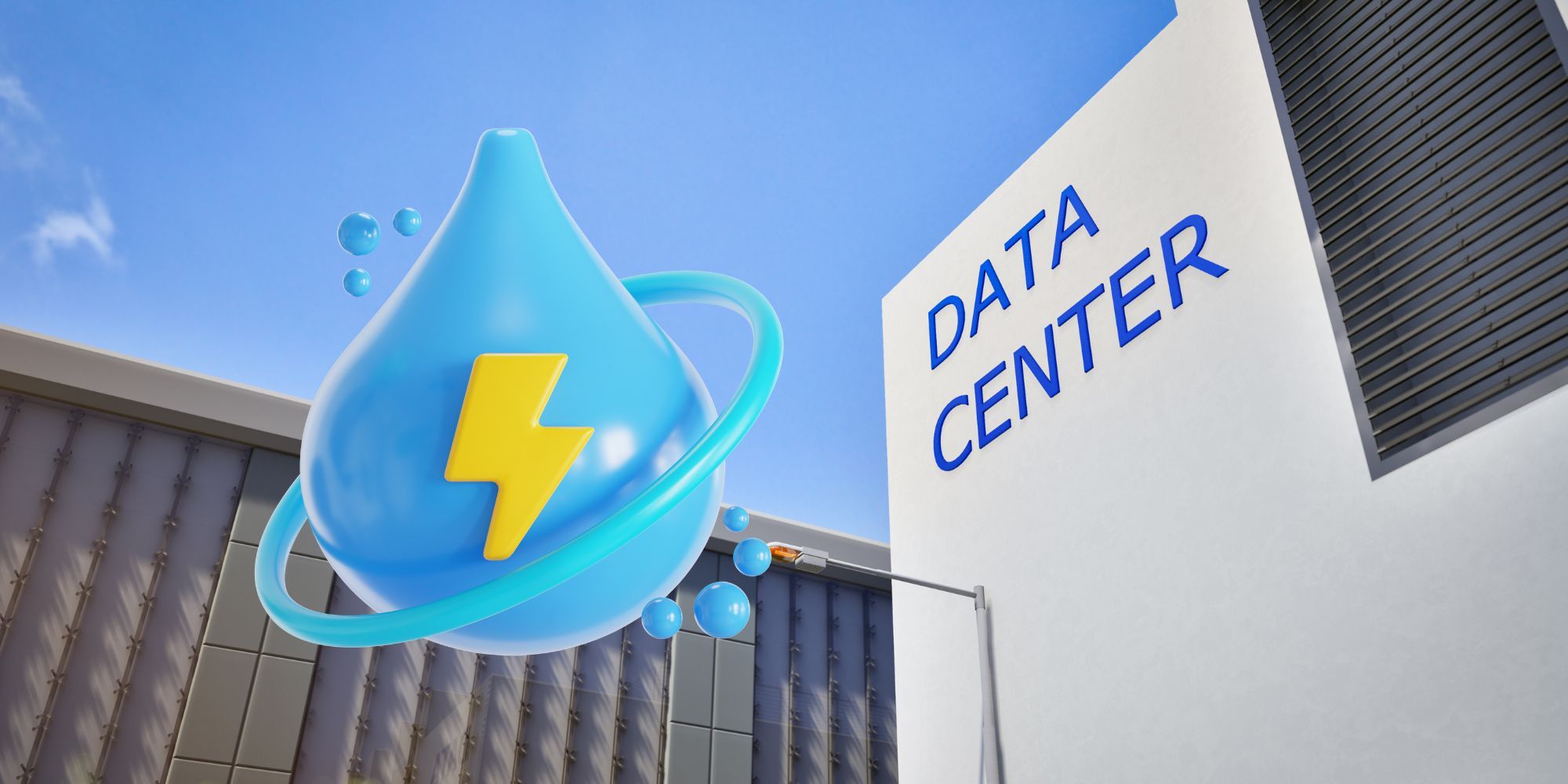
Andhra Pradesh announced a 70% renewable energy requirement for data centres as part of its broader effort to position Visakhapatnam as a major data-centre hub while addressing water and sustainability concerns. Infrastructure builders targeting data-centre operations should prepare for regional renewable mandates—state-level decarbonization is now a cost-of-entry, not a differentiator.
Hyperscaler cloud revenues could exceed USD 1 trillion annually by 2030, driven by AI infrastructure demand, according to a BlackRock report. Builders targeting compute, model serving, or inference optimization have a validated $1T TAM—but you need to solve cost and latency before that market fully unlocks.
Arundhati Bhattacharya, President & CEO of Salesforce South Asia, cautioned that agentic AI deployment requires careful organizational design regardless of whether you're replacing human roles or augmenting them. SaaS builders integrating agents into enterprise workflows should lead with change management, not just capability—adoption friction will kill ROI.
Google CEO Sundar Pichai announced Project Suncatcher, a research initiative exploring whether space could host scalable machine learning infrastructure. Edtech builders tracking long-term compute trends should monitor this—if orbital ML becomes viable, it could unlock low-latency, high-reliability training for global learning platforms.
The iPhone 18 Pro Max represents iterative design improvement over the iPhone 17 Pro's radical form-factor shift, focusing on making the new design work harder rather than introducing novel features. Consumer hardware builders should note the maturation pattern: flagship cycles are tightening, so differentiation now lives in software integration and AI capabilities.
The Supreme Court declined to interfere with Delhi High Court orders in the Daiichi Sankyo-Fortis dispute, clearing the path for a forensic audit to trace assets tied to a 2016 arbitral award. Healthtech founders should note: IP disputes and asset recovery in healthcare can take years through courts, so contract clarity and escrow structures matter more than litigation agility.
Pine Labs transformed from point-of-sale device provider (since 1998) into an AI-powered fintech infrastructure play over three decades. Builders should study this trajectory: hardware-first models can evolve into software-driven platforms if underlying merchant data assets are leveraged correctly.

 Arjun’s TLDR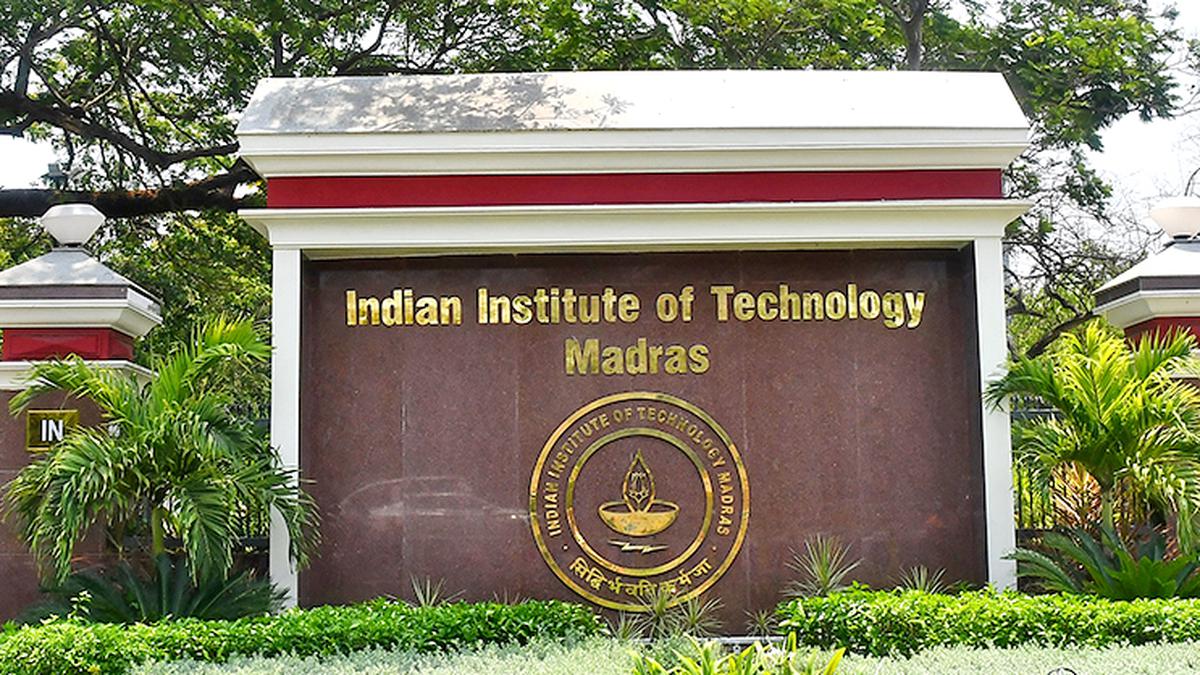
 Meera’s TLDR