Banks Begin Investing Directly in AI Labs, Fueling Innovation — Product Growth, 4 October
The essential morning brief for Indian product builders — every number sourced and dated, every industry covered.
4 October 2026 · Product Growth Daily Brief · Presented by Arjun & Meera · Editorial standards
Arjun & Meera · Today's brief
AceVector's ₹88 crore exit for SoftBank signals something builders need to hear: the IPO window for scaled Indian ecommerce is real, but it's narrow and it's now. After years of "when will Indian startups go public," we're watching seasoned players like Snapdeal's parent actually cross that finish line. That matters because it proves the market will absorb these businesses—but only if you've built defensible unit economics and can articulate path to profitability to public markets. The window doesn't stay open forever.
What's worth watching alongside this: regulation and capital are reshaping every adjacent layer of the stack. The RBI Governor just backed blockchain and tokenisation tech (even while staying cautious on crypto assets themselves), which means fintech builders shouldn't treat distributed ledger infrastructure as a sidelined experiment anymore. Simultaneously, US banks are now investing directly into AI labs—they're becoming LPs, not just customers. Indian fintech and SaaS founders should clock that banks are moving upstream, seeking stakes in the tools that will power their next decade. That's capital, but also a signal about where defensibility lives.
Here's the harder part: tighter regulatory scrutiny is the other side of that coin. Apple just pulled Jack Dorsey's Bitchat from the India App Store on a government Section 69A order. Trump's new AI czar appointment signals US policy will tighten around national security and AI oversight. For Indian builders, especially in consumer and AI, this means compliance isn't a back-office item anymore—it's a product and go-to-market decision. Vertical-specific AI (like NPrep's nursing exam prep) and open-source infrastructure plays (Xiaomi just open-sourced 7,000+ RL environments) are moving faster precisely because they're narrowly scoped and less politically exposed.
Watch this week for which founders start talking about regulation as a moat, not a friction cost. That mindset shift is where the next wave of defensible Indian tech gets built.
Snapdeal parent AceVector went public, giving SoftBank and other early backers an exit opportunity. For ecommerce builders: the IPO window exists for seasoned platforms—but it rewards profitability and unit economics, not just GMV.
US financial-services AI startup Rogo raised $30 Mn this month, with banks taking stakes in AI labs. For Indian fintech and SaaS builders: banks are becoming LPs in vertical AI—if you're solving a real operational problem (risk, fraud, underwriting), institutional capital is moving into your space.
RBI Governor Malhotra said India supports innovation in distributed ledger and tokenisation technologies underlying crypto assets, but stopped short of endorsing crypto itself. Builders exploring blockchain for payments, settlement, or supply chain have regulatory air cover—but tokenised asset issuance remains in the grey zone.
Trump named intelligence chief Clayton to lead a new AI task force, per WSJ reporting. This signals AI policy will tighten around national security; Indian builders exporting AI models or infrastructure to the US should expect higher compliance scrutiny on data residency and export controls.
NPrep combines an AI-powered recommendation engine with learner data to personalise nursing exam preparation. For edtech builders: vertical-specific AI (nursing, med entrance, GATE) works—because domain constraints make better training data and measurable outcomes.
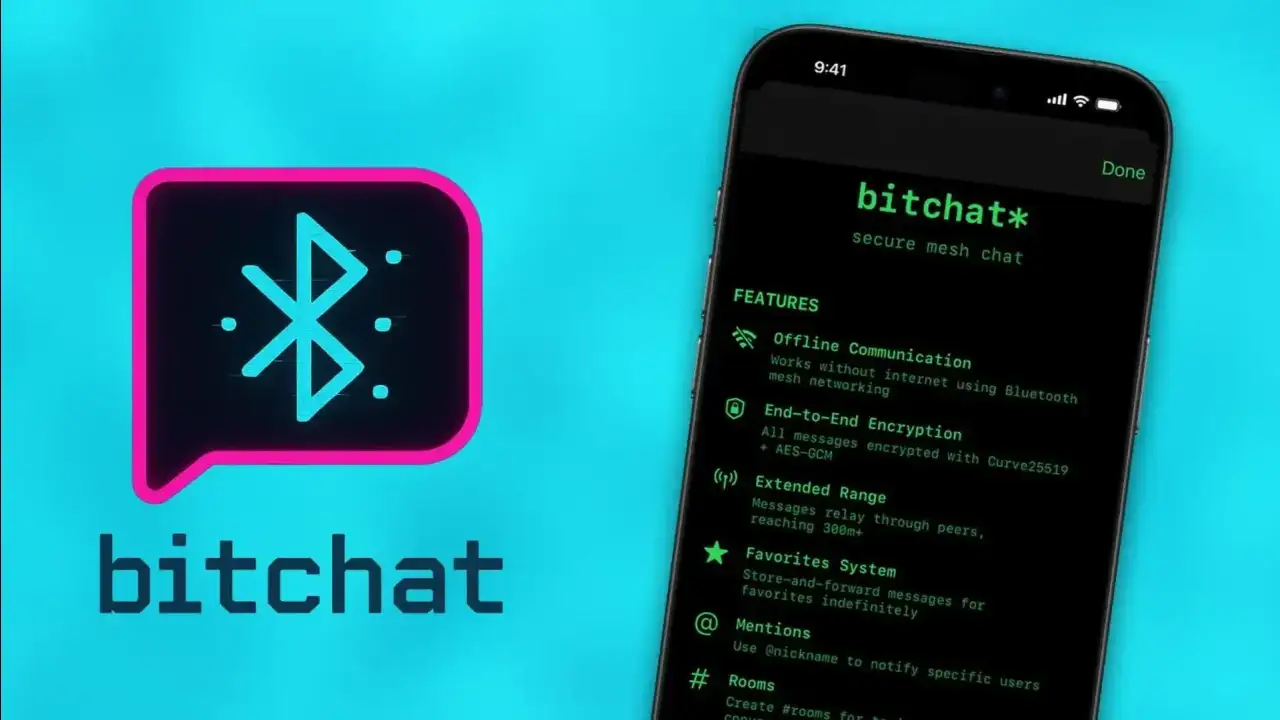
Apple removed Bitchat, Jack Dorsey's offline messaging app, from the India App Store following a government takedown order under Section 69A of the IT Act. For consumer app builders: encrypted, offline-capable messaging faces regulatory risk in India; feature parity with centralized alternatives won't protect you if government sees sovereignty or surveillance concerns.
Nothing announced deep discounts on Phone (4a), (4a) Pro, and (4b) during Flipkart's Big Billion Days starting October 8, with early access on October 8. For hardware-ecommerce builders: festival sales still drive volume, but unsold inventory forces clearance pricing—watch working capital ratios.
New-age tech stocks declined broadly this week, with Turtlemint losing another 20% amid an eighth consecutive weekly decline in benchmarks. For insurtech founders: the public market window is tightening; if you're IPO-bound, now is not the time to be illiquid or dependent on reinsurance partner approval.
Xiaomi released 7,000+ RL training environments as open source—assets that would otherwise cost millions. For AI/game developers: open-source infra is becoming a brand and moat play; Xiaomi builds developer mindshare in simulation and robotics while others pay for the same tools.

 Arjun’s TLDR
 Meera’s TLDR