Arjun & Meera · Today's brief
The RBI just handed fintech builders a blueprint for institutional capital: a one-time approval mechanism letting investors own up to 10% of a bank without repeat clearance. This isn't bureaucratic housekeeping—it's oxygen for the institutional bank play, a model that's been theoretically sound but practically constipated by approval loops. Watch for founders who've shelved bank-building ambitions to dust off those decks this quarter.
But here's the tension in the room: while the RBI is lowering barriers, the marketplace itself is signaling caution. Snapdeal's muted 4.93X IPO subscription—coming from one of India's earliest ecommerce platforms—tells builders that moat questions linger. Even established players like Nykaa are staying defensive, guiding 30% GMV growth but being coy about profitability paths. The message is clear: scale isn't currency anymore. Unit economics and defensibility are.
Regulation remains the wildcard. BitChat's removal sparked the Internet Freedom Foundation to demand transparency, Apple Pay entered India's payments market into headwinds of foreign platform scrutiny, and a White House AI task force is explicitly tasking itself with *preventing* overregulation. Indian builders are hedging: deeptech funds like Andhra Pradesh's Rs 500 Cr vehicle with PanIIT are betting on state-level moats and hard-tech plays (Delhi NCR already leads in robotic surgery adoption with 39 equipped hospitals), where regulation feels less like a kill switch and more like a slow throttle.
Watch whether founders pursuing institutional bank licenses actually move in Q1—the RBI's approval mechanism only matters if the unit economics suddenly work.

Andhra Pradesh CM Chandrababu Naidu announced a Rs 500 Cr deeptech fund with PanIIT at the Vijayawada summit, with the state matching investor contributions and targeting 25 AP startups by 2030. Deeptech founders should evaluate geographic arbitrage—state-backed capital carries policy tailwinds (land, R&D subsidies, infrastructure) but slower exit timelines; structure follow-ons to blend state capital with venture velocity.
The RBI has introduced a one-time approval mechanism allowing eligible investors to acquire up to 10% aggregate bank stake without fresh approvals each time holdings dip below 5% and recover. Fintech operators building regulated lending or neobank infrastructure should model how this opens institutional capital flows and competitive dynamics in the banking sector.

Snapdeal, one of India's earliest ecommerce marketplaces, listed on D-Street with a muted 4.93X subscription ratio, signaling investor caution. Marketplace builders should examine whether generalist positioning in a duopoly (Flipkart/Amazon) is sufficient—Snapdeal's path suggests category focus or logistics differentiation is now required for valuations.
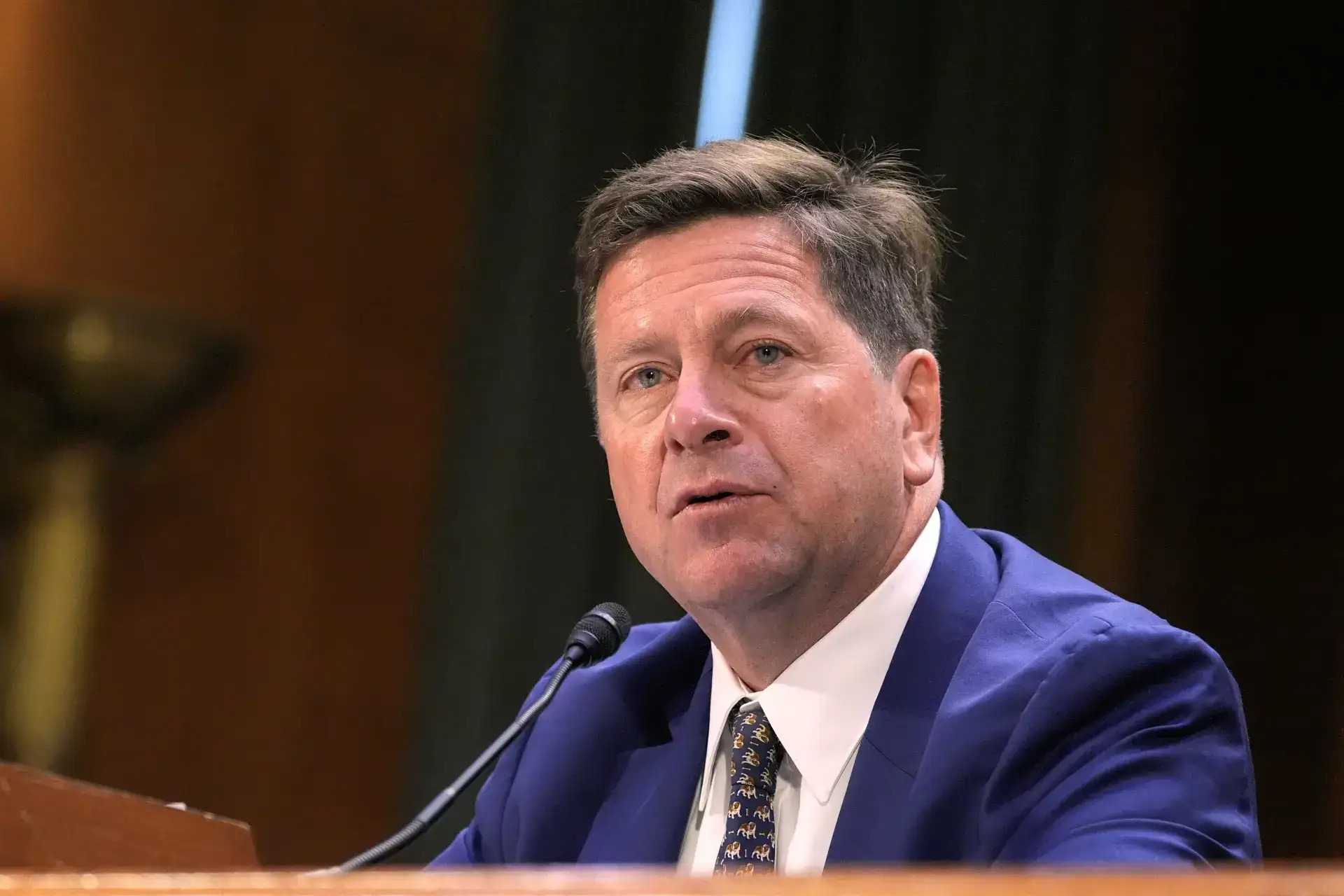
The White House task force on AI, led by Jay Clayton, will assess risks and opportunities while preventing overregulation, per WSJ. Indian product builders hedging bets on both US and India regulatory regimes should monitor this dual signal: US moving toward light-touch, India likely tightening—regulatory arbitrage may not persist.

Delhi NCR has 39 hospitals equipped with robotic surgical systems, with 11 holding more than one system, making the region India's leading hub for robotic-system installations, per data presented at a recent conference. Healthtech builders should model subscription or outcome-based pricing for robotic surgery logistics and inventory platforms—geographic concentration creates density for platform play.

Ola Electric promoter Bhavish Aggarwal pledged a 4.32% stake to fund his contribution to an upcoming rights issue, per NSE filing. Energy-mobility founders should model founder capital commitment as a market signal—Aggarwal's pledge suggests confidence but also cash-flow tightness; expect rights issues to become recurring in capital-intensive verticals.

The IFF issued a statement calling BitChat's removal "unconstitutional" and listed four demands for government transparency and due process. Consumer app builders should expect advocacy pressure and legal challenges around takedowns—budget for legal defense and public communications infrastructure.
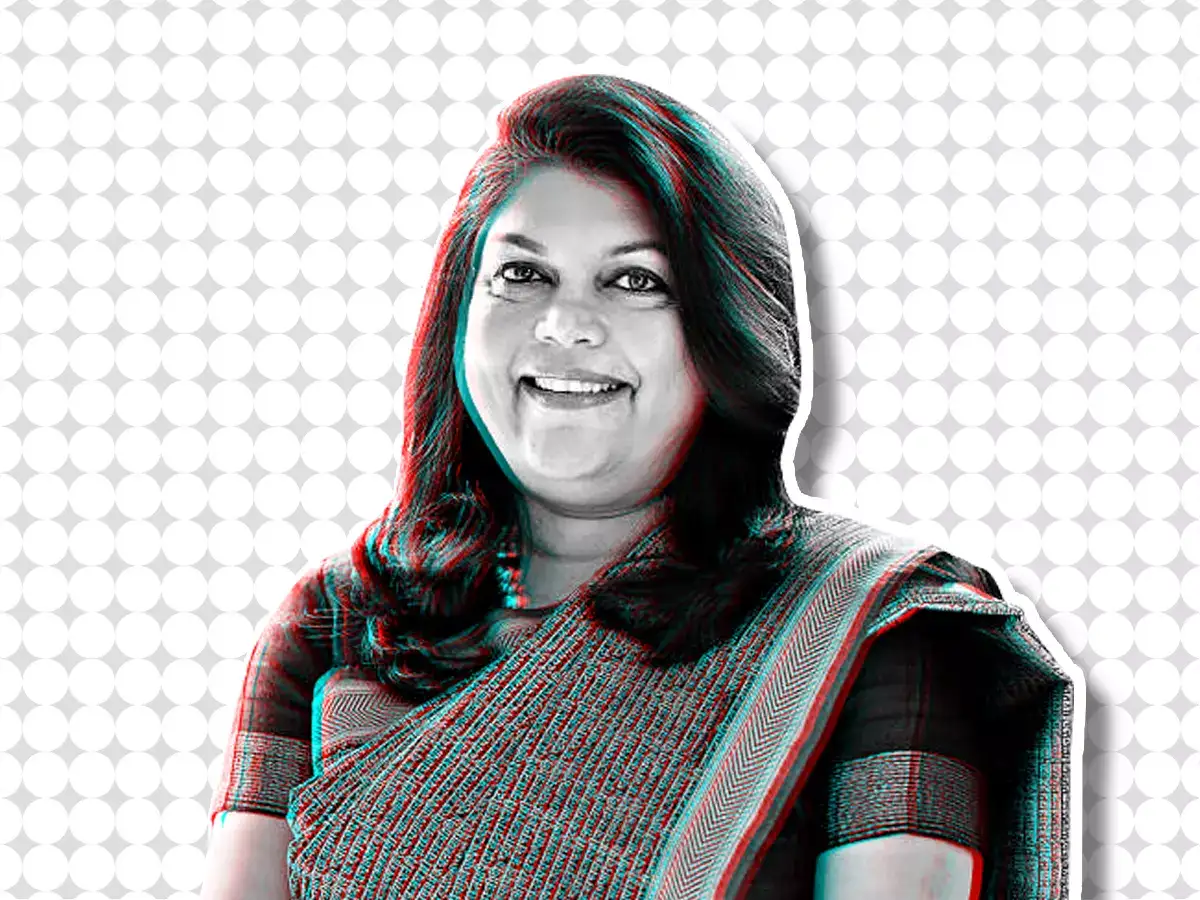
Nykaa expects consolidated GMV to grow ~30% YoY in Q2 FY27, with fashion vertical NSV growing in the "late forties" and net revenue in the "early forties," plus 250+ new brands added in-quarter. Fashion is outrunning beauty in growth—ecommerce operators should prioritize apparel supplier diversity and fast-fashion SKU velocity over beauty subscriptions.

Apple Pay's India entry arrives amid heightened regulatory scrutiny of foreign payment platforms and app removals. Payment app founders should expect Apple's compliance playbook to set the bar for government coordination—late-market foreign entrants may move faster on removal requests than homegrown platforms, creating asymmetric competitive risk.
 Arjun’s TLDR
 Meera’s TLDR