Arjun & Meera · Today's brief
India just approved a Rs 10,000 crore direct equity fund for SMEs, and it matters because the capital structure for Indian builders just shifted. This isn't subsidized debt or guarantees—it's genuine equity dry powder aimed at companies doing Rs 1–100 crore revenue. For founders still bootstrapped or grinding through Series A, this is a signal: the government is actively moving capital into growth-stage winners. But watch the deployment speed. Government funds often move slower than market rates, so the real play is understanding how this interacts with what's already happening in deeptech and sector-specific bets.
Speaking of capital velocity: IIT Madras just closed a Rs 1,000 crore deeptech fund's first tranche, SpaceX is raising $40 billion globally for Nvidia chips, and IndigoTex (textile deeptech, IIT Delhi-originated) just closed Rs 5 crore from IAN Angel Fund. The pattern is unmissable—capital is moving *decisively* toward hard tech and manufacturing. If you're building B2B infrastructure or any play touching semiconductors, biotech, or advanced materials, this is your open window. The risk? Deeptech capital is also far more selective, and average-case timelines are longer. You need unit economics that work at scale, not just proof-of-concept.
In ecommerce, Swara Baby Products (FirstCry's subsidiary) got SEBI nod for a Rs 1,000 crore IPO. This matters because vertical integration is now a *profitable exit path*—not just a scaling tactic. FirstCry recognized a gap, built supply, built brand, and is now taking a subsidiary public. Meanwhile, medical tourism (CureMeAbroad, $1.1 million pre-seed) and edtech (medical seats expanding but affordability still broken) reveal gaps where discovery and access are still manually painful. These aren't venture-scale problems yet, but they're founder problems.
Watch: regulatory moves this week on the Google Play Store case (£1 billion UK lawsuit, 20M users affected). App economics in India operate in Google's shadow, and if precedent shifts on fees or commission, it reshapes unit economics for every app builder. File that in your long-term risk model.
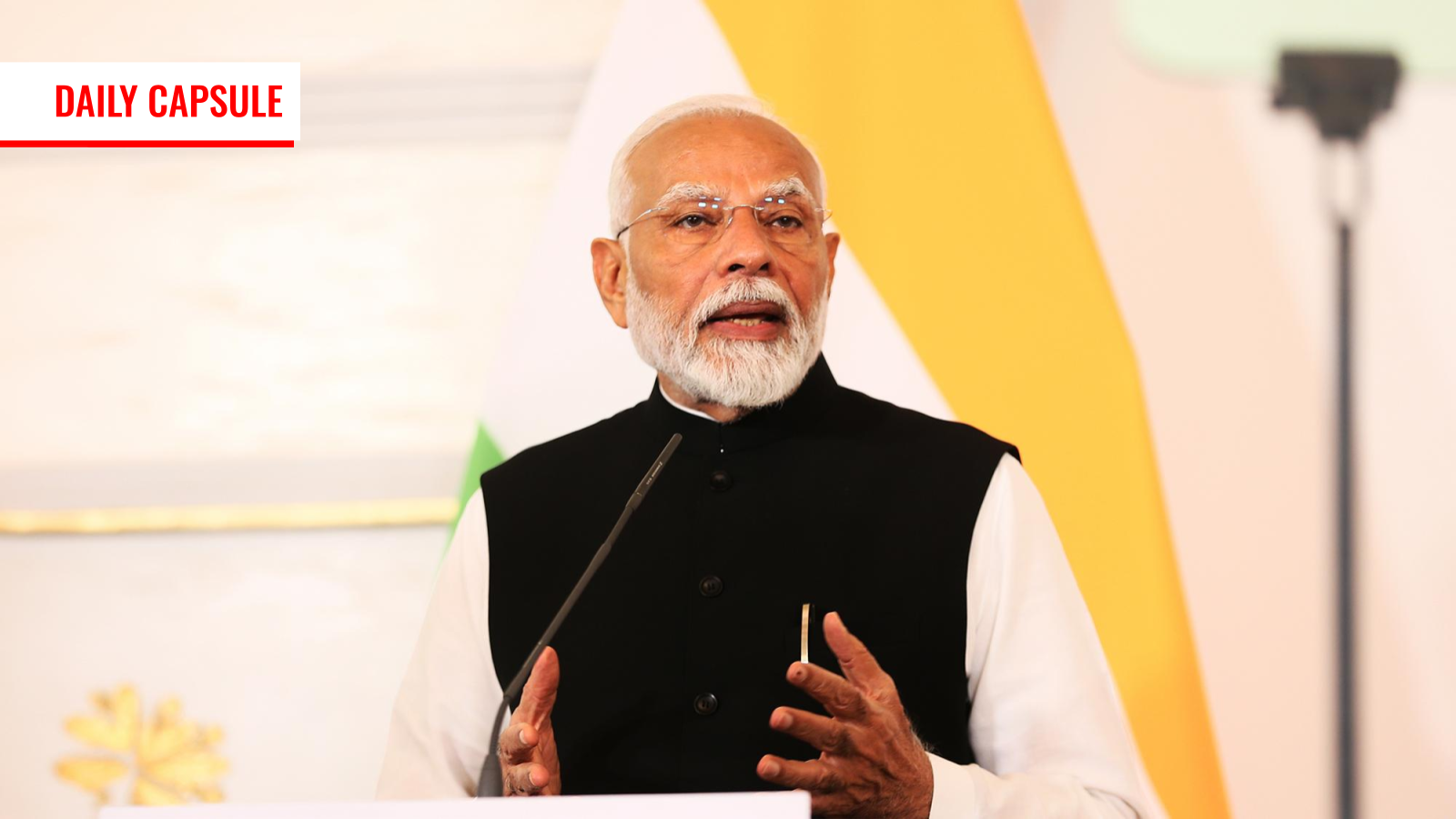
India's cabinet approved a Rs 10,000 crore fund for direct equity investments in small and medium enterprises, per YourStory. Consumer and SME-focused builders should track this: government-backed equity capital is now competing with traditional venture funding, potentially shifting term sheets and dilution expectations in early-stage rounds.
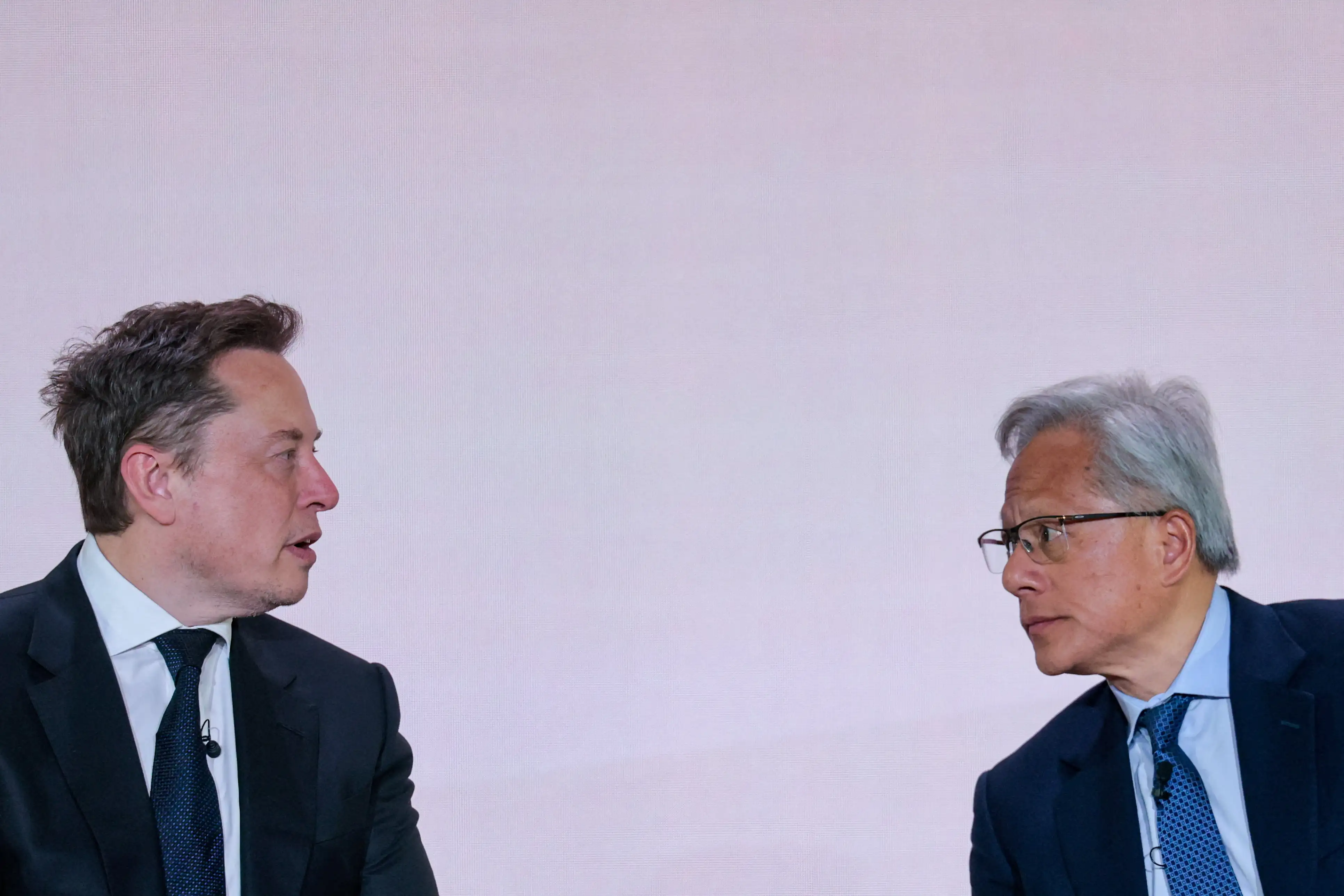
SpaceX is raising $10 billion in bank loans and $30 billion in investment-grade debt to fund Nvidia chip orders, per ET Tech. Deeptech founders should recognize the signal: compute infrastructure is now so capital-intensive that it's financed via debt markets, not equity alone; if your deeptech company requires large-scale compute, expect higher capital requirements and longer fundraising cycles.

FirstCry subsidiary Swara Baby Products received SEBI approval for a Rs 1,000 crore IPO, per Inc42. Ecommerce roll-ups and vertically integrated players are now accessing capital markets—this signals maturity in the sector and may accelerate M&A and consolidation among smaller ecommerce players.
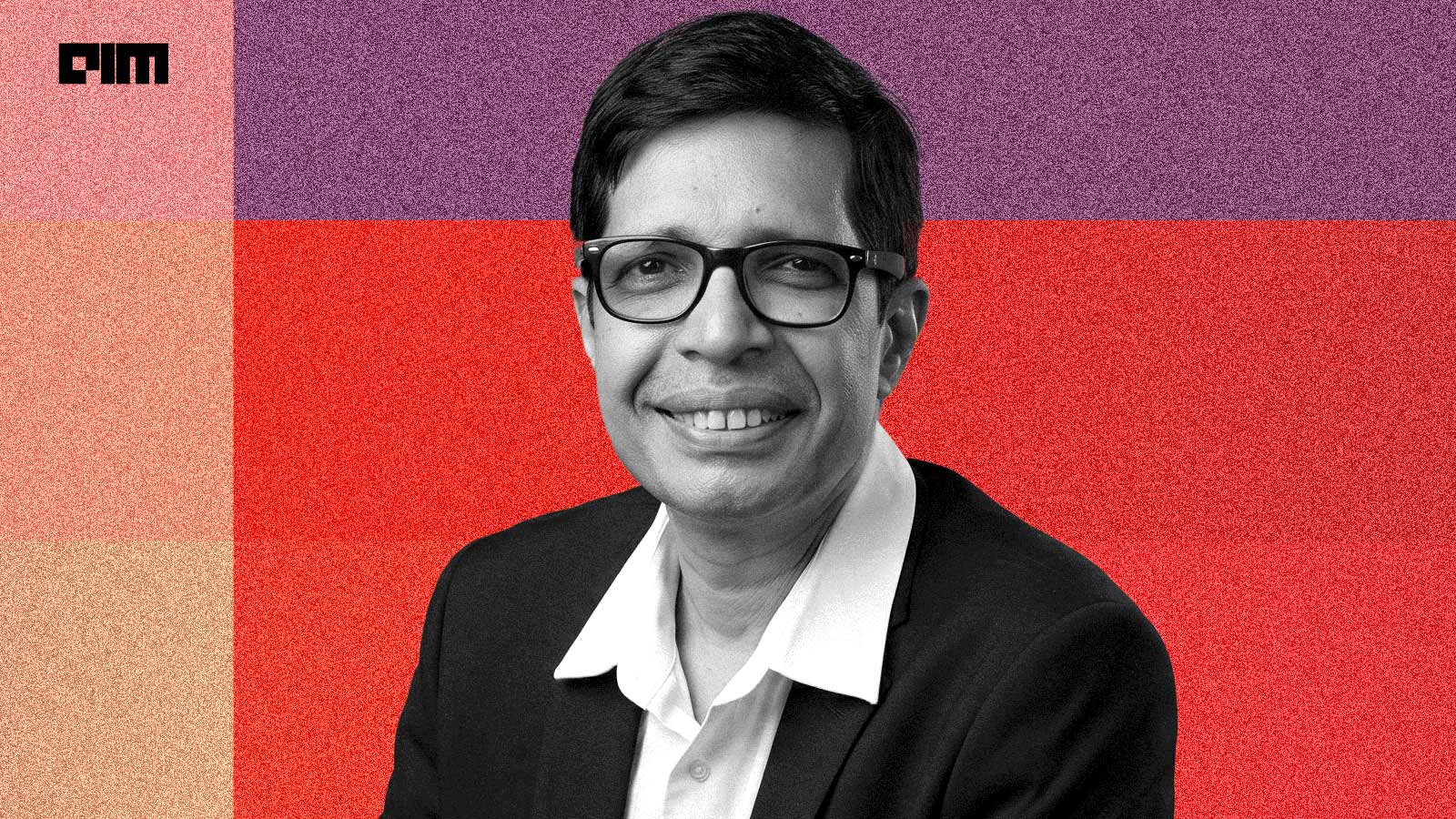
IIT Madras, IIT Madras Research Park, and Unicorn India Ventures achieved the first close of a Rs 1,000 crore dedicated fund for early-stage deeptech startups, deliberately avoiding the YC model, per Analytics India. Academic institutions are now leading deeptech fundraising—if you're an IIT spin-out or have academic IP, public and institutional capital is increasingly accessible; focus on technical moats over fundraising velocity.

CureMeAbroad closed a $1.1 million pre-seed round led by healthcare-focused VC fund SteerX Ventures to build patient discovery and booking infrastructure for international medical treatments, per Entrackr. Medical tourism and cross-border healthcare logistics are attracting venture capital; if your platform can unlock trust and verification across borders, unit economics support funded growth.

IIT Delhi-originated textile deeptech startup IndigoTex closed a Rs 5 crore round led by IAN Angel Fund with participation from SIDBI and IIT Angels, per Entrackr. Deeptech with manufacturing or infrastructure plays is attracting government-backed and angel capital; if you're building manufacturing-scale tech, ecosystem support via government funds and angel syndicates is now viable.
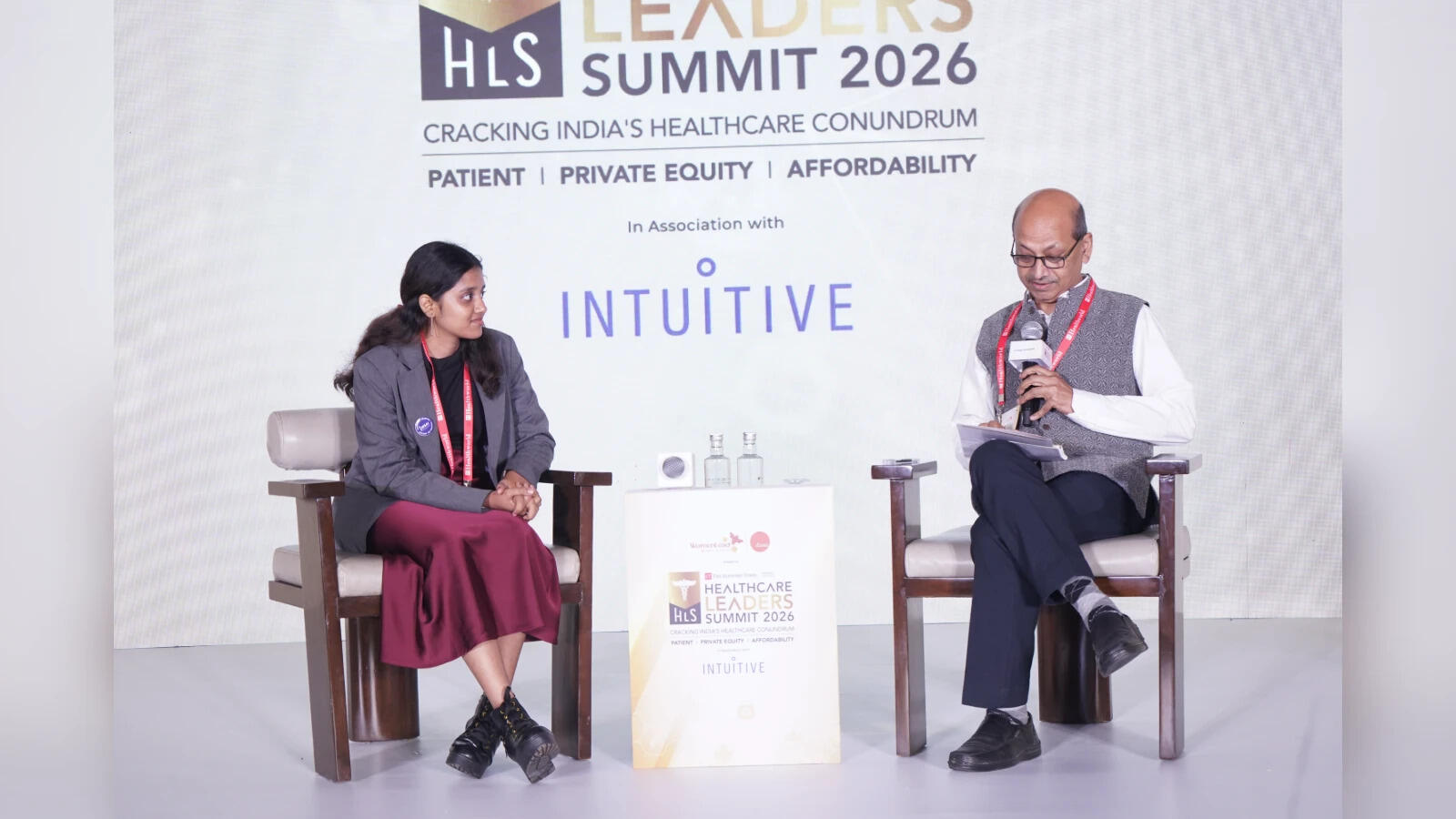
Medical seat expansion is outpacing affordability solutions, creating access gaps despite policy growth, per ET HealthWorld. Edtech builders should see this as a market signal: remedial education, exam prep, and financing-integrated learning paths for tier-2 and tier-3 students represent high-margin opportunities that policy is not yet addressing.

Low levels of placental growth factor (PlGF) in the third trimester correlate with increased ADHD risk in children, per research from University of Iowa, per ET HealthWorld. Healthtech builders in maternal and pediatric health should explore biomarker-driven risk stratification tools—early detection and monitoring products have clear clinical and commercial value propositions.

A UK case covering approximately 20 million consumers who purchased apps or subscriptions through Google Play Store between 2015 and July 2026 is now litigating app store fee structures, per ET Tech. Gaming studios and app publishers should expect similar antitrust challenges in other markets—app store economics are now under consumer and regulatory attack; prepare for fee reductions or commission restructuring within 24 months.
 Arjun’s TLDR
 Meera’s TLDR