Electric bus startup GreenCell Mobility secures ₹330 crore expansion funding — Product Growth, 14 October
The essential morning brief for Indian product builders — every number sourced and dated, every industry covered.
14 October 2026 · Product Growth Daily Brief · Presented by Arjun & Meera · Editorial standards
🎧 Listen to this edition — Arjun & Meera, 14 October 2026
Arjun & Meera · Today's brief
Regulation just became your most expensive product feature. Karnataka's hospital price disclosure mandate is the first domino—but it's aimed at the wrong problem. When regulators can't control margins, they force transparency instead, which sounds fair until you realize it collapses your unit economics or forces you to compete purely on cost. This matters because RBL Bank just got hit with a potential 50-60% dent to bancassurance income under IRDAI's proposed distribution norms. The pattern is clear: Indian regulators are tightening the screws on middleman fees and opaque pricing across healthtech, fintech, and insurtech. If your business model depends on capturing spread or playing information arbitrage, you have months, not years, to restructure.
Meanwhile, the capital markets are sending an opposite signal—desperation. SoftBank raised a record $11 Bn in junk bonds at the highest-ever yields to fund Masayoshi Son's all-in AI bet. That's not confidence; that's pressure to deliver returns on a moonshot. Here in India, founders are reading the room differently. Mesa School of Business just closed ₹110 Cr (₹85 Cr equity from Dharana Capital and Elevation C) by solving for a real problem: founders need business rigor, not just code. Meanwhile, GreenCell Mobility raised ₹330 Cr to scale electric buses with impact investors, and RevRag.AI netted $2.5 Mn to build AI relationship managers for lenders—both are solving structural problems with distribution or customer engagement. The difference: they're not chasing AI for its own sake.
The B2C escape hatch is real but crowded. e-Sprinto entered consumer e-scooters eyeing 5,000 sales by March, and Bumble is going private for $1.3 Bn after months of turnaround pain. Public markets punish unprofitable unit economics relentlessly; private equity at least gives you breathing room. But notice what's not happening: no founder is building the next unicorn by ignoring regulation or betting the house on AI infrastructure. The winners this week are builders solving for margins under constraint, not growth without limit.
Watch how IRDAI's final distribution norms land on fintech platforms by month-end—it'll tell you whether regulation is coming for your revenue model next.
Startup-focused business school Mesa School of Business closed ₹110 Cr in funding comprising ₹85 Cr in Series A equity co-led by Dharana Capital and Elevation Capital, plus ₹25 Cr in debt. Builders in edtech should track: capital is consolidating around vocational and startup-focused outcomes, not consumer test prep; cohort models with hiring pipelines attract institutional capital.
SoftBank raised record $11 Bn in junk-bond offerings at highest-ever yields to fund CEO Masayoshi Son's all-in AI strategy, signaling pressure to deliver returns amid overheating concerns. Builders: capital density in AI is spiking; second-wave AI startups face margin compression and longer paths to unit economics as deployed capital chases dwindling edge cases.
Everstone Capital-backed EV startup GreenCell Mobility closed ₹330 Cr ($34.6 Mn) in equity funding led by Impact investors to scale its electric bus operations. Builders in mobility: institutional capital is chasing B2B fleet electrification, not direct-to-consumer; unit economics on fleet utilization and charging infrastructure ownership are durable. Single-asset mobility plays face margin compression.
Dating app Bumble agreed to be taken private by Ithaca Holdings in a $1.3 Bn deal as the platform pushes a months-long turnaround amid industry headwinds. Builders in social/dating: public market valuations are collapsing for user acquisition–dependent platforms; watch whether go-private deals signal margin compression or reset for algorithmic retention innovation.
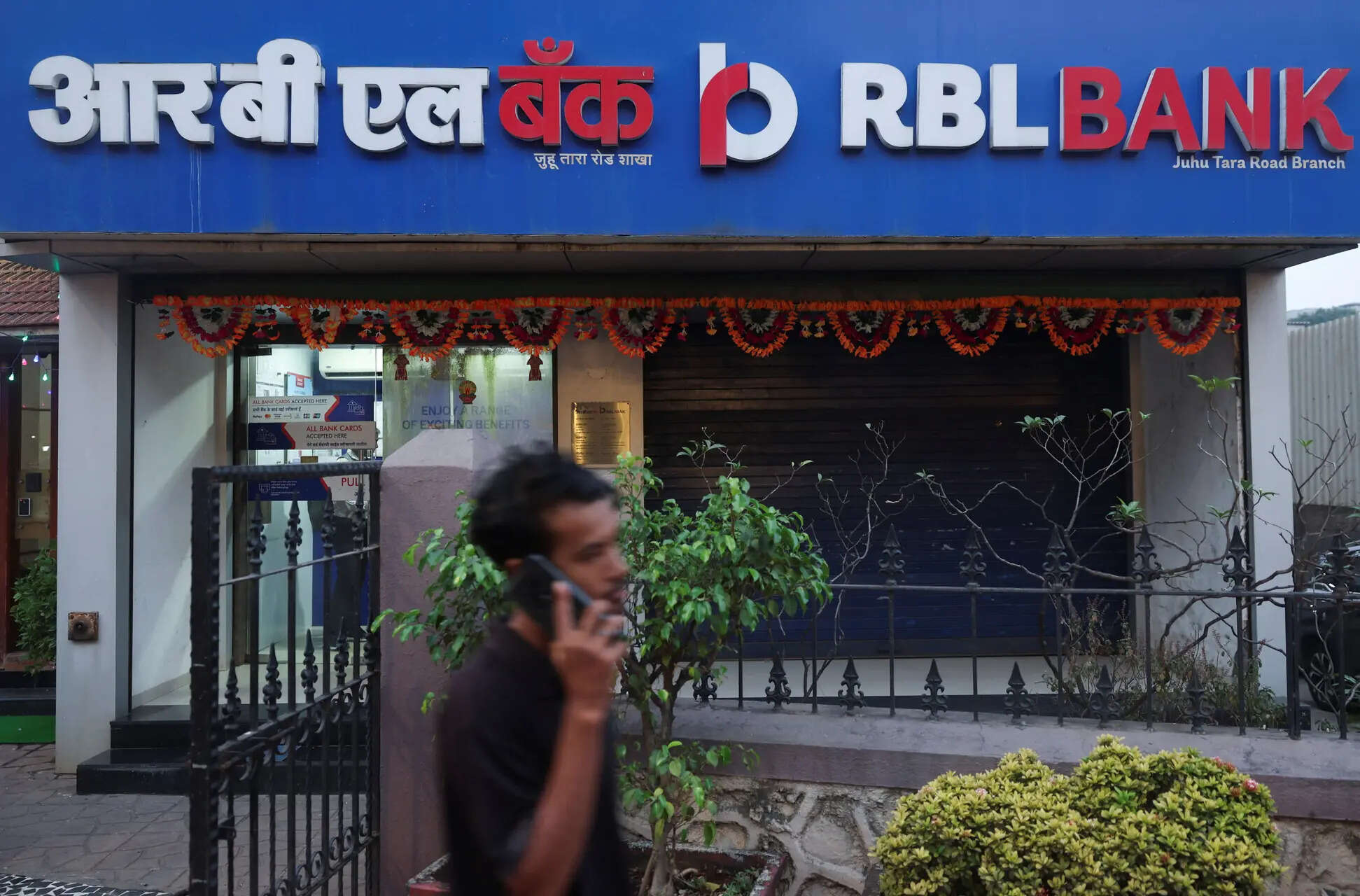
RBL Bank warned of a potential 50-60% dent to its bancassurance income if IRDAI's proposed distribution norms are implemented, putting pressure on a fee stream that grew 31% to ₹300 Cr in FY26. Builders in insurtech: bancassurance margins are regulatory-exposed; if commissions compress 50%+, the unit economics of distribution partnerships collapse. Build for customer ownership, not agent/bank dependency.
Agentic AI startup RevRag.AI closed a seed round of $2.5 Mn (₹24 Cr) led by Accion Ventures to build AI relationship managers for lenders and insurers. Builders should watch how vertical SaaS in financial services is consolidating around agentic workflows—relationship management at scale is a durable wedge.
Apple unveiled HomeView, a smart display powered by overhauled Siri AI built on Apple Intelligence, featuring touchscreen, personalized interfaces and on-device agentic behavior as the centerpiece of its home strategy. Builders in consumer hardware: OEMs are embedding agentic assistants natively; standalone voice-first apps face control loss and margin compression as hardware vendors lock in AI workflows.
Karnataka's Food and Drug Administration mandated hospitals disclose the base/landing price alongside MRP for medicines, medical devices, and consumables on patient bills, addressing scrutiny over markup opacity. Builders in healthtech: transparency mandates are spreading; B2B hospital software will need to embed price disclosure workflows. Margins tied to markup asymmetry will face regulatory compression.
Electric two-wheeler maker e-Sprinto has entered the business-to-consumer (B2C) market with the launch of its G1 family electric scooter, priced…

 Arjun’s TLDR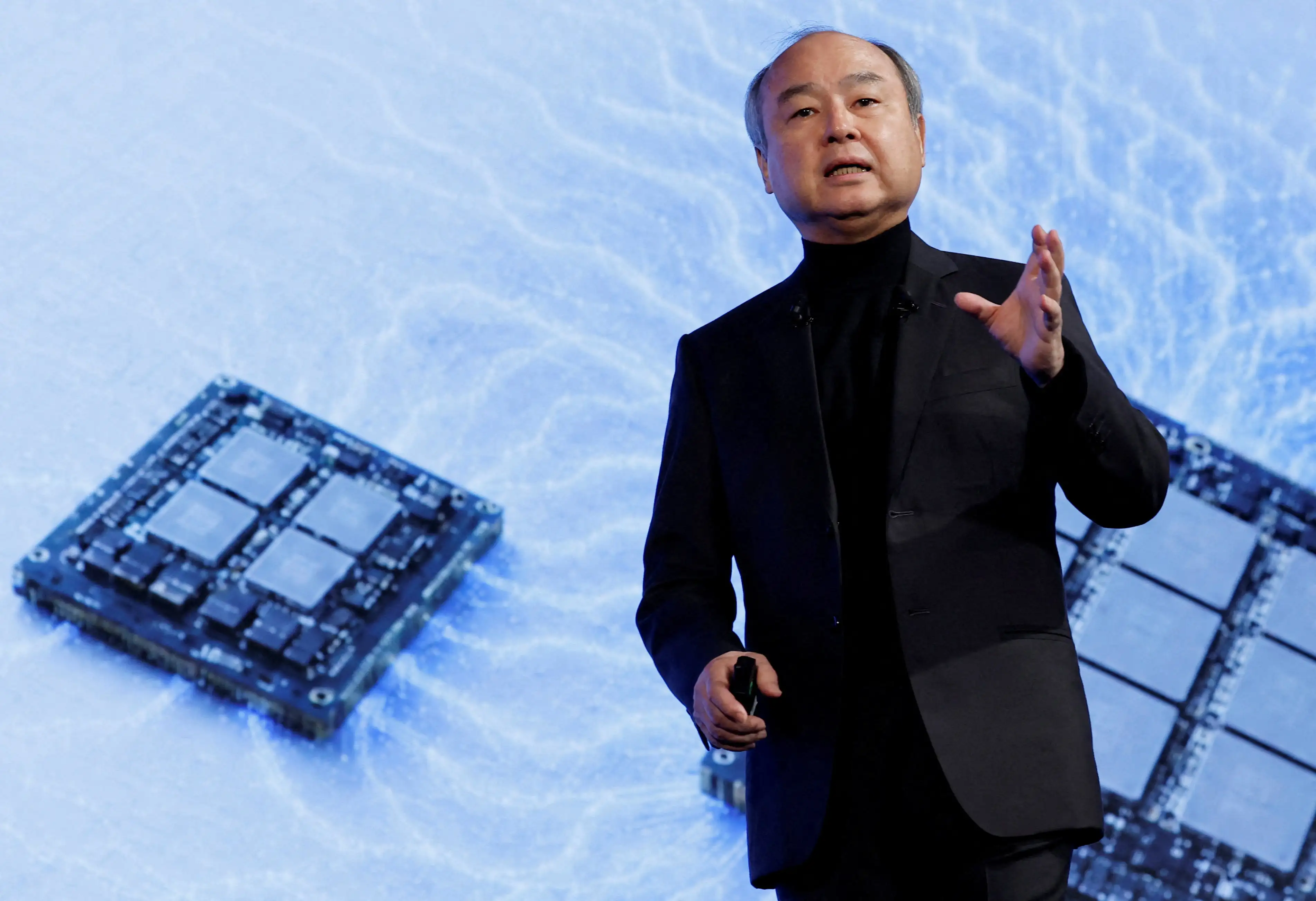
 Meera’s TLDR