Arjun & Meera · Today's brief
The biggest signal for builders today is Zetwerk's Rs 2,251 crore anchor round ahead of its IPO, with 14.91 crore shares allotted to 99 anchor investors at Rs 151 a share. For founders building in manufacturing and B2B platforms, that is a rare public benchmark: it shows institutional appetite for a marketplace that sits between buyers and factories, and it sets the valuation conversation for every peer raising in the same lane. Read it less as a headline about one company and more as a signal that deeptech-adjacent platforms can still clear the bar when the unit economics and operating depth are visible.
The healthtech threads pull in the same direction, and together they describe where capital and need are converging. Confido Health, founded in 2022, raised $12.5 million led by Z47 to build AI agents that handle patient calls, scheduling and insurance verification. That is admin work, not diagnosis, which is precisely where the near-term ROI sits. The Amaha Report gives the demand side: of 13,825 respondents, only 11.3% reached mental health care within a month of their concerns, with year-long waits common. A product team that can compress that gap through triage, scheduling or intake automation is solving a measurable pain, and the investor money flowing into Confido suggests the market is pricing that in.
Consumer and gaming categories show a similar pattern of capital chasing a specific wedge. Elevation Capital led a $10.5 million Series A in Bengaluru's Spill Games, an AI-led mobile studio, which tells you AI-native game production is now a fundable thesis rather than a feature. On the hardware side, Alibaba's Qwen Glasses N1 series, with better cameras, eye tracking and deeper AI assistant integration, is a direct challenge to Meta, and any team building AI-first devices should study how the assistant layer is being pushed into the hardware rather than bolted on. Meanwhile, Fix My Curls' decision to build its quick commerce engine in-house is a useful counterweight for D2C brands weighing dark stores: the lesson is about owning the operating stack, not about the channel being trendy. Insurtech has a parallel opening too. YourStory argues young professionals are underinsured by more than Rs 1 crore on term-insurance needs, a gap that product teams selling cover can address directly with better onboarding and life-stage nudges.
Two items sit at the edge of the product agenda but deserve a glance. Florida's court win letting it enforce a law targeting kids' social media use is a reminder that age-gating and youth-safety rules are moving from proposal to enforcement, and any consumer app with a young user base should be auditing its defaults now. And Faker's push at the Asian Games Aichi-Nagoya
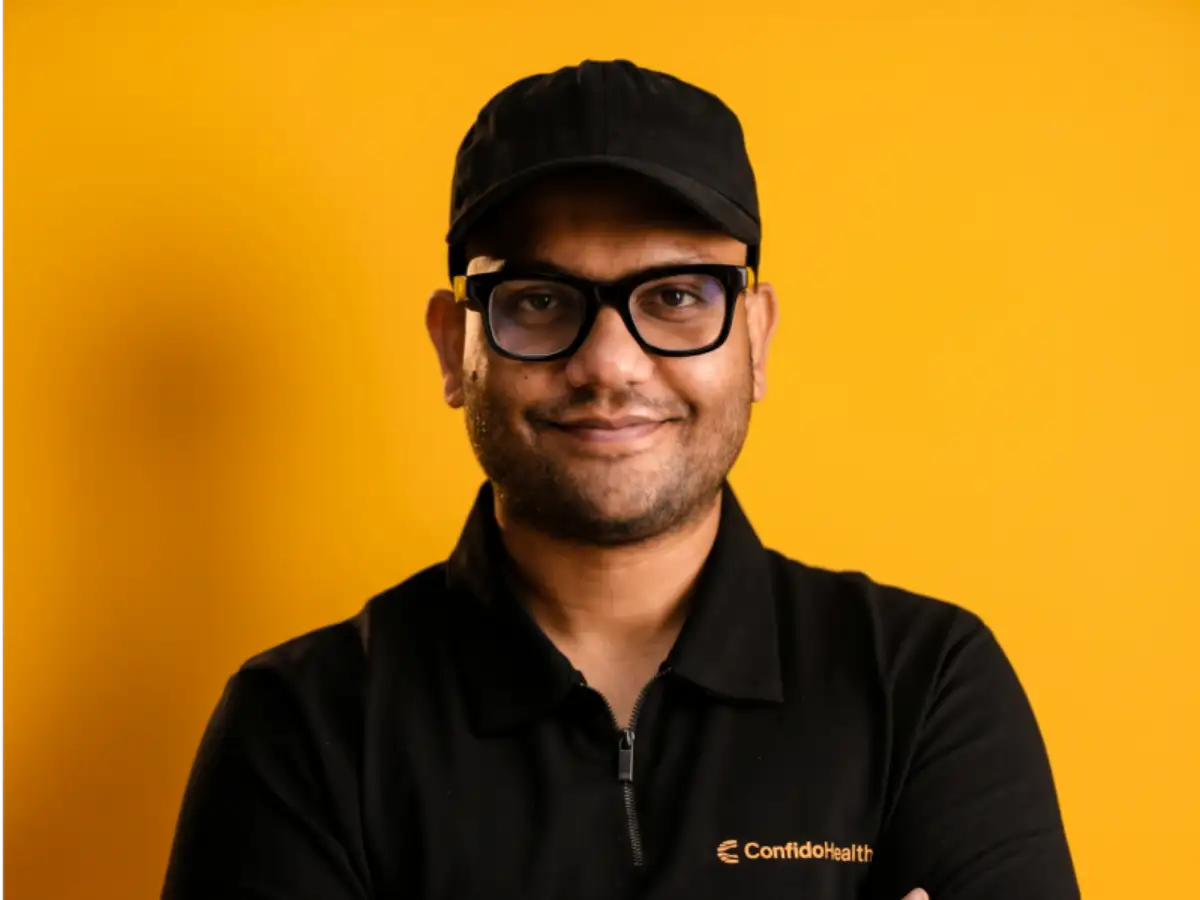
ET Tech reports Confido Health, founded in 2022, raised $12.5 million led by Z47 for AI agents handling patient calls, scheduling and insurance verification. Healthtech PMs should benchmark administrative automation against this funded use case.
 ↩ Follow-up to 13 Oct
Entrackr reports Zetwerk allotted 14.91 crore shares to 99 anchor investors at Rs 151 per share. Manufacturing-platform founders should note the scale of anchor demand.

Bengaluru-based Spill Games, an AI-led mobile gaming studio, has raised $10.5 million in a Series A funding round led by Elevation Capital. Existing investors Centre Court Capital and PeerCapital also participated in the round. The startup

Analytics India reports Alibaba's Qwen Glasses N1 add upgraded cameras, eye tracking and deeper AI assistant integration. Hardware-AI teams should watch how Alibaba's assistant integration sets the bar for smart glasses.

YourStory's analysis argues young professionals underinsure by over Rs 1 crore based on term-insurance needs. Product teams selling term cover can use this gap to shape onboarding messaging.

Florida wins key ruling allowing it to enforce a law that targets social media use by kids

Inc42 features how Fix My Curls built its quick commerce engine in-house. Brands considering dark-store or quick-commerce channels can learn from the build-versus-partner decisions described.

ET HealthWorld reports only 11.3% of 13,825 respondents reached care within a month of their concerns, per the Amaha Report covering October 2025 to September 2026. Mental health product teams should treat access latency as the core metric to solve.

AnimationXpress reports Lee 'Faker' Sang-hyeok used the Asian Games Aichi-Nagoya 2026 to argue esports should stay on the programme. Esports product teams should watch whether medal inclusion shifts sponsorship.
 Arjun’s TLDR
 Meera’s TLDR