Arjun & Meera · Today's brief
The most important development for a builder today is the UPI data from September: groceries have overtaken everything else as the top merchant category by transaction count, at 3.94 billion transactions worth Rs 84,238 crore. For anyone building payments, commerce or quick-commerce tooling, this is the clearest signal yet that habitual, small-ticket spending has become the core of digital payments in India, and that the real growth is in frequency rather than ticket size. If your roadmap assumes that high-value merchant flows are where UPI volume lives, the data says to revisit that assumption.
Set that against the funding picture and the tension gets sharper. Weekly startup funding fell to $232 million, down 45% year-on-year, with Boldfit's $41.5 million the standout deal of the week. Capital is clearly more selective, which pushes founders toward products with visible unit economics. Leverage Edu's story is a useful counterpoint: the edtech company more than doubled operating revenue to Rs 364.4 crore in FY26 and turned EBITDA-positive along the way. In a tighter market, profitability is becoming the story investors and operators both want to hear, and that changes how you should prioritise growth experiments.
Regulation is reshaping distribution economics in insurance, and it's the thread to watch closely. IRDAI's proposed commission curbs could, if payouts fall to half their current level or lower, bring HDFC Life's expense ratio down to around 15%, according to ET BFSI's modelling. Meanwhile Fairfax Financial is moving to take a 60.72% stake in IDBI Bank for Rs 52,878 crore, with plans to build a broader India financial-services platform around it alongside Digit and IIFL. Commission rules and consolidation both mean that the agent-led distribution model that dominated Indian insurance is under pressure, and product teams in insurtech should be designing for direct and digital acquisition now.
Not every story is about capital and rules. Urban Company's revenue grew 41% year-on-year to Rs 527 crore in Q2 FY27, but losses tripled as it poured money into InstaHelp, leaving that bet at Rs 174 crore of loss against Rs 21 crore of revenue. It is a sober reminder that adjacent-category expansion is expensive, and that growth without a path to contribution margin is a bill that eventually comes due. On the platform side, Roblox creators are estimated to have added Rs 123.9 crore to India's GDP between 2020 and 2025, a figure worth noting for anyone thinking about creator economies beyond the usual social apps. Wipro's large-deal bookings, meanwhile, fell 58.6% sequentially even as its CEO credits AI with helping win deals, a gap that Saa

Weekly startup funding in India reached $232 million, down 45% year-on-year, according to ET Tech's deals digest. Boldfit led the week with $41.5 million, followed by GreenCell Mobility at $34.5 million, Inner Sky Labs at $30.9 million and Scimplify at $25 million. Accel was among the most active investors, backing Scimplify, Origin and CosmoChute. Elevation Capital and Pantera Capital also made investments during the week.

In September 2026, groceries were the top UPI merchant category by transaction count, at 3.94 billion transactions worth Rs 84,238 crore. Debt collection agencies and securities brokers ranked next by value. The data shows where merchant-side payment demand is concentrated across UPI.

Leverage Edu more than doubled its operating revenue to Rs 364.4 crore in FY26, up from Rs 173.3 crore in FY25, and turned EBITDA-positive during the year. The Delhi-based edtech startup, which helps Indian students get into overseas universities, narrowed its net loss 82% year-on-year to Rs 19 crore. International markets contributed over 81% of total revenue, rising 2.3 times to Rs 297 crore.

Indian Roblox creators contributed an estimated Rs 123.9 crore (US$14.8 million) to India's GDP between 2020 and 2025, according to a report by consultancy Access Partnership. The contribution grew at an annual rate of 77% and supported an estimated 510 jobs in 2025. More than 250 Indian creators qualified for Roblox payouts in 2025.
ET BFSI reports that if payouts fall to half their current level or lower, HDFC Life's expense ratio could mathematically decline to around 15%, though final rules will decide the outcome. Insurtech distribution builders should model commission scenarios before the rules are finalised.

Urban Company's operating revenue grew 41% year-on-year to Rs 527 crore in Q2 FY27, but its losses tripled as it invested heavily in InstaHelp. The quick housekeeping vertical posted an adjusted EBITDA loss of Rs 174 crore on Rs 20.37 crore in revenue, from 6.2 million orders. Net order value fell to Rs 114 from Rs 138 amid intense competition and introductory pricing.
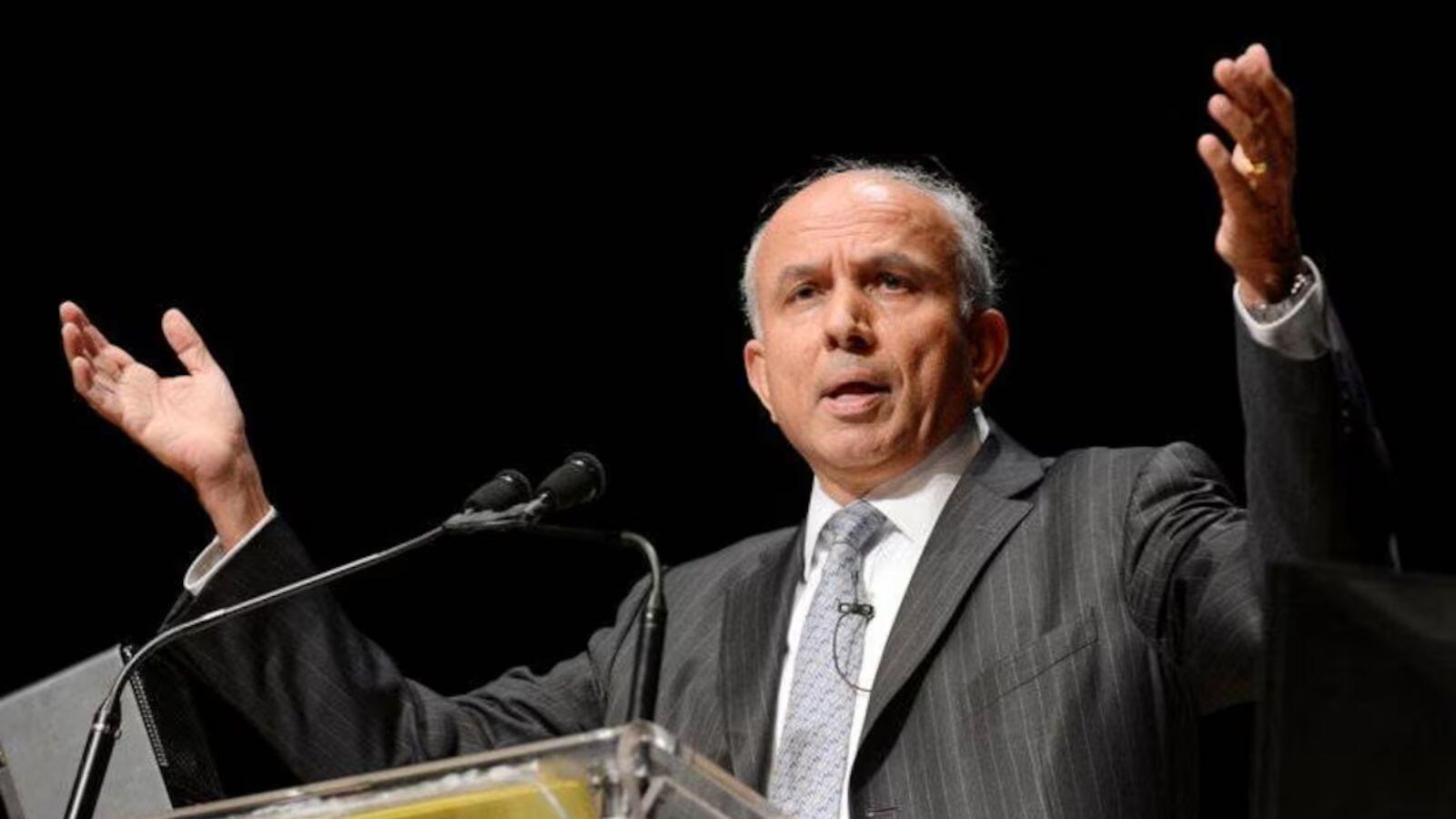
Fairfax Financial is set to acquire a 60.72% stake in IDBI Bank for Rs 52,878 crore and plans to make the lender the centre of its India financial-services platform. Fairfax holds 49% in Go Digit and 30.2% in IIFL Capital, both of which would come under IDBI. Fairfax says governance, management and operating structures will remain unchanged.

China has proposed a draft plan, Announcement No. 48, that would completely ban exports of 14 technologies and restrict 26 more, covering more than 40 in total. The list includes perovskite and tandem solar-cell module manufacturing technologies and polysilicon engineering technologies. The draft plan does not restrict most solar exports, but could affect India's efforts to move up the solar supply chain.

Wipro's large-deal bookings fell 58.6% sequentially, even as its CEO says AI is helping the company win deals. The sharp drop in bookings contrasts with the company's AI-led narrative. Analytics India's report highlights this gap.
 Arjun’s TLDR
 Meera’s TLDR