🎧 Listen to this edition — Arjun & Meera, 24 October 2026
Arjun & Meera · Today's brief
The most important development for builders today is Coforge's 53.6 per cent year-on-year revenue jump in Q2 FY27, with order intake reaching $1.04 billion and FY27 EBIT margin guidance raised to 16 per cent. For a product team, that is a signal that enterprise and services-plus-platform demand is not just holding but accelerating, and that the market is rewarding companies that can grow fast without giving up margin. It is a useful benchmark for anyone pitching growth stories to investors this quarter. Set it alongside Unicommerce's Q2 FY27 numbers, with revenue up 15 per cent to Rs 59 crore and net profit up 10.7 per cent to Rs 6.4 crore, and the contrast is instructive: the e-commerce enablement SaaS segment is growing steadily but far more modestly, which tells you where the hypergrowth is concentrated and where a smaller, profitable niche can still compound.
The e-commerce and fintech stories show the other side of scale. Swiggy's shares fell 14 per cent to a 52-week low after a Rs 922 crore quarterly loss, even as revenue from operations still rose 36 per cent. Growth without a path to profitability is being punished in public markets, and that pressure will flow down into how product teams are asked to justify spend. Zetwerk's stock market debut on October 23, after its evolution from a manufacturing marketplace into a full-stack platform, raises the same question from a different angle: can owning more of the value chain actually widen thin margins, or does it just add cost? Meanwhile, Bank of India's expectation of roughly Rs 100 crore a quarter from the proposed 0.4 per cent merchant discount rate on select UPI transactions shows how directly a policy move on payments can reshape the economics of a bank's digital rails. If you build on UPI, that proposed MDR is the number to track, because it changes what merchants will tolerate and what your unit economics look like.
Regulation and hardware costs round out the picture. The Centre has directed all states and union territories to enforce the ban on reusing single-use medical devices, a compliance mandate that will push healthtech and medtech teams to revisit their supply and traceability assumptions. On the hardware side, Ultraviolette says it will absorb rising chip prices rather than pass them to customers, a bet that tells you how tight component costs have become for anyone shipping physical products. Startup funding also took a breather, with Indian startups raising over $184 million across 17 deals in the week of October 19 to 23, down 22 per cent week on week, though AI startups still led with $93.9 million. At TechSparks 2026, The ePlane Company's Professor Satya Chakravarthy argued that electric air ambulances will launch as high-margin products before low-cost urban air taxis scale, a sequencing lesson that applies well beyond aviation: prove the premium use case first, then chase volume.
What to watch this week: the UPI MDR proposal and any clarifying noise from NPCI or the regulator, and whether Swiggy's slide prompts a broader re-rating of loss-making consumer platforms. Do one thing this week: pull your own unit economics and check whether they survive a 0.4 per cent payment cost and a hardware cost spike at the same time.
Coforge's revenue grew 53.6 per cent year-on-year in Q2 FY27, according to the report. Order intake reached $1.04 billion over the same period. The company also raised its FY27 EBIT margin guidance to 16 per cent. Rising bookings alongside higher margin guidance points to clients committing budgets to engineering work rather than only running pilots.
Zetwerk made its stock market debut on Friday, October 23, after evolving from a manufacturing marketplace into a full-stack manufacturing platform. In FY26 its revenue from operations rose 40.4 per cent to Rs 15,913 crore, but its consolidated net loss widened to Rs 1,606 crore. Operating cash outflow rose to Rs 682 crore, and the company's growing order book has yet to translate into stronger profitability.
Bank of India expects to gain nearly Rs 100 crore a quarter from the proposed merchant discount rate on select UPI transactions, its managing director and CEO told ETBFSI. The framework applies a 0.4 per cent MDR to specified person-to-merchant transactions above Rs 2,000, capped at Rs 300 per transaction. Brokerages estimate an annual revenue pool of Rs 15,000-20,600 crore, with the fee split among issuing banks, merchants and other participants.
Swiggy's shares fell 14 per cent and hit a 52-week low after the company reported a Rs 922 crore loss for the quarter. Revenue from operations still rose 36 per cent year-on-year to Rs 7,571 crore. Adjusted EBITDA loss widened, and analysts including Jefferies, Nomura and Bernstein cut their target prices, citing challenges in quick commerce.
E-commerce enablement SaaS company Unicommerce reported Q2 FY27 revenue from operations of Rs 59.10 crore, up from Rs 51.38 crore a year earlier. Net profit rose 10.7 per cent to Rs 6.40 crore, according to unaudited consolidated figures sourced from the NSE. For the first half of FY27, revenue rose 14.7 per cent to Rs 110.45 crore, and total expenses grew 18.9 per cent in the quarter.
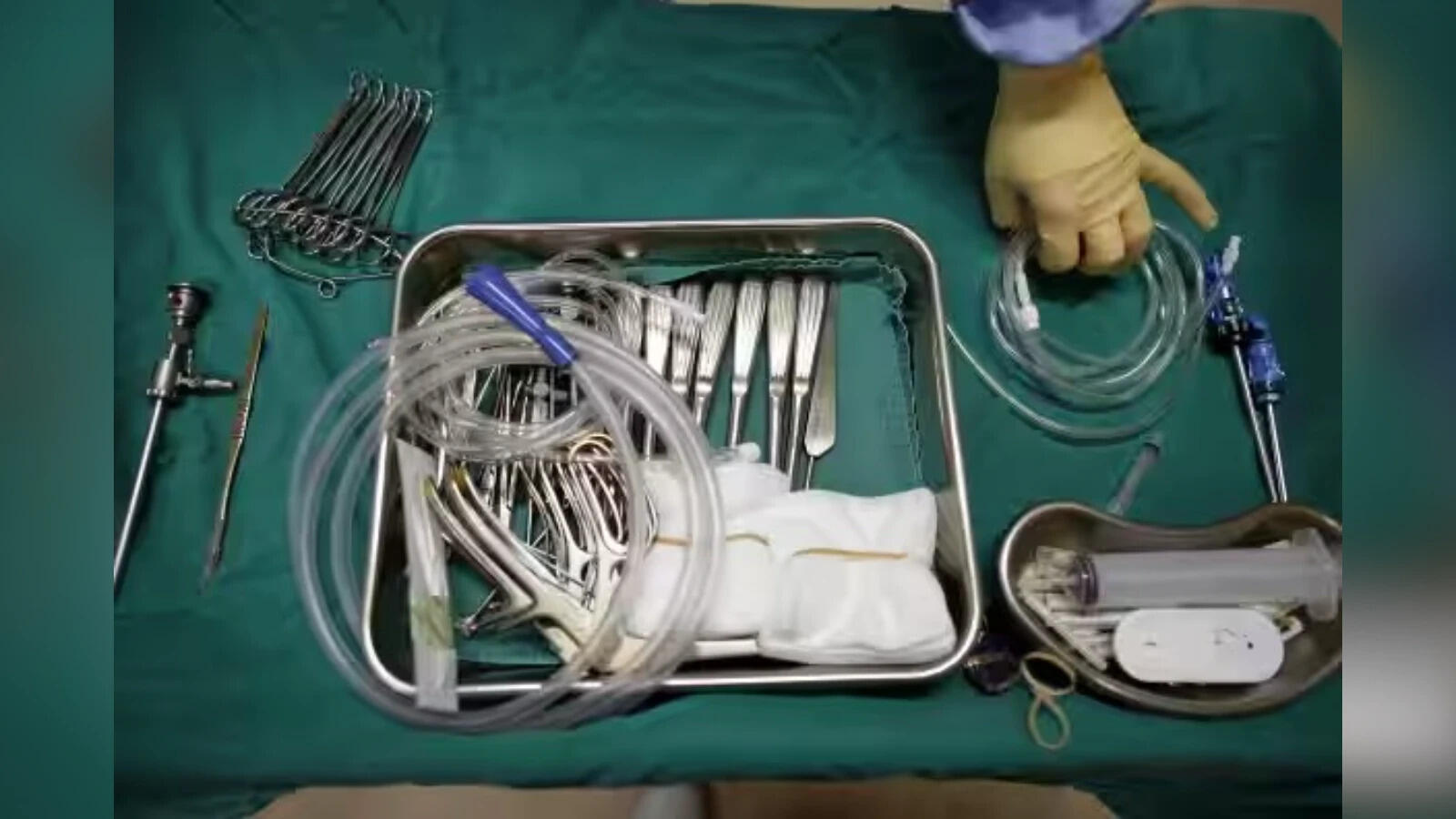
The Centre has directed all states and union territories to enforce a ban on reusing single-use medical devices. The directive follows reports that sterilised items were being reused in hospitals, which raises patient safety and regulatory compliance concerns. The government has asked states to act on the ban.
Indian startups raised over $184 million across 17 deals between October 19 and 23, a 22 per cent drop from the previous week. AI startups led with $93.9 million across six deals, while healthtech attracted $60.6 million across two deals, driven largely by Even Healthcare's $50 million Series B. Trifecta Capital and Blume Ventures were the most active investors with two deals each.
At TechSparks 2026, Professor Satya Chakravarthy said The ePlane Company will launch high-margin electric air ambulances before scaling low-cost urban air taxis globally. The sequencing reflects a strategy of earning revenue from a premium niche first. The approach is aimed at funding the longer path toward a mass-market flying taxi product.
Bengaluru-based Ultraviolette, which makes high-performance electric motorcycles, says it will absorb rising chip prices rather than pass them on to customers. The decision means the company will carry the higher component costs itself. The move affects how it prices its vehicles as chip costs climb.
 Arjun’s TLDR

 Meera’s TLDR