Arjun & Meera · Today's brief
The invisible MSME credit gap is India's biggest product opportunity right now—and the policy fix is finally being written. At MSME Sparks 2026, Dvara Research laid bare why millions of nano businesses stay locked out of formal credit despite being creditworthy, and named three policy shifts that would unlock them. This matters because every fintech, lending platform, and B2B SaaS builder in India is dancing around the same broken problem: MSMEs can't access capital at scale. The policy momentum is real; builders should start mapping which of Dvara's three recommendations will hit first and position accordingly.
The conversation at MSME Sparks also crystallized what India's small business layer actually needs to compete: not disruption theater, but discipline wrapped in speed. Zoho's message was blunt—startups borrow speed, but MSMEs can't afford to abandon fundamentals. Fynd showed the live play: AI isn't about hiring fewer people theatrically; it's about autonomous retail operations that let one person do three jobs without burnout. Both point at the same builder insight: the MSME efficiency play isn't sexy, but it's durable. Low-cost, purpose-built automation wins over moonshot tech every single time here.
Capital is flowing toward the plumbing that connects MSMEs to growth. IndiaMART's ₹172.2 Cr Q1 profit (up 12% YoY) signals B2B platforms are becoming financial infrastructure—the company is now entering lending, which is the logical next move for any platform with transaction data at scale. Ather Energy's ₹2,500 Cr capital infusion tells a different story: clean energy mobility still commands investor conviction even as the EV market matures. Watch which existing players (fintech, B2B SaaS, logistics) move into adjacent lending and lending-adjacent services this quarter—the race to own the MSME financial layer is accelerating.
One thread to track this week: France's ban on social media for under-15s and high school smartphones will become a playbook for India's regulators soon enough. The NCW's new Expert Committee on ART and IVF clinics signals India is finally mapping women's reproductive health as a regulated category, which opens room for healthtech builders who can navigate policy thoughtfully. Regulatory clarity breeds capital. If you're building in fintech, healthtech, or mobility, watch the policy papers that follow these committee meetings—they'll tell you where India's compliance guardrails are moving next.
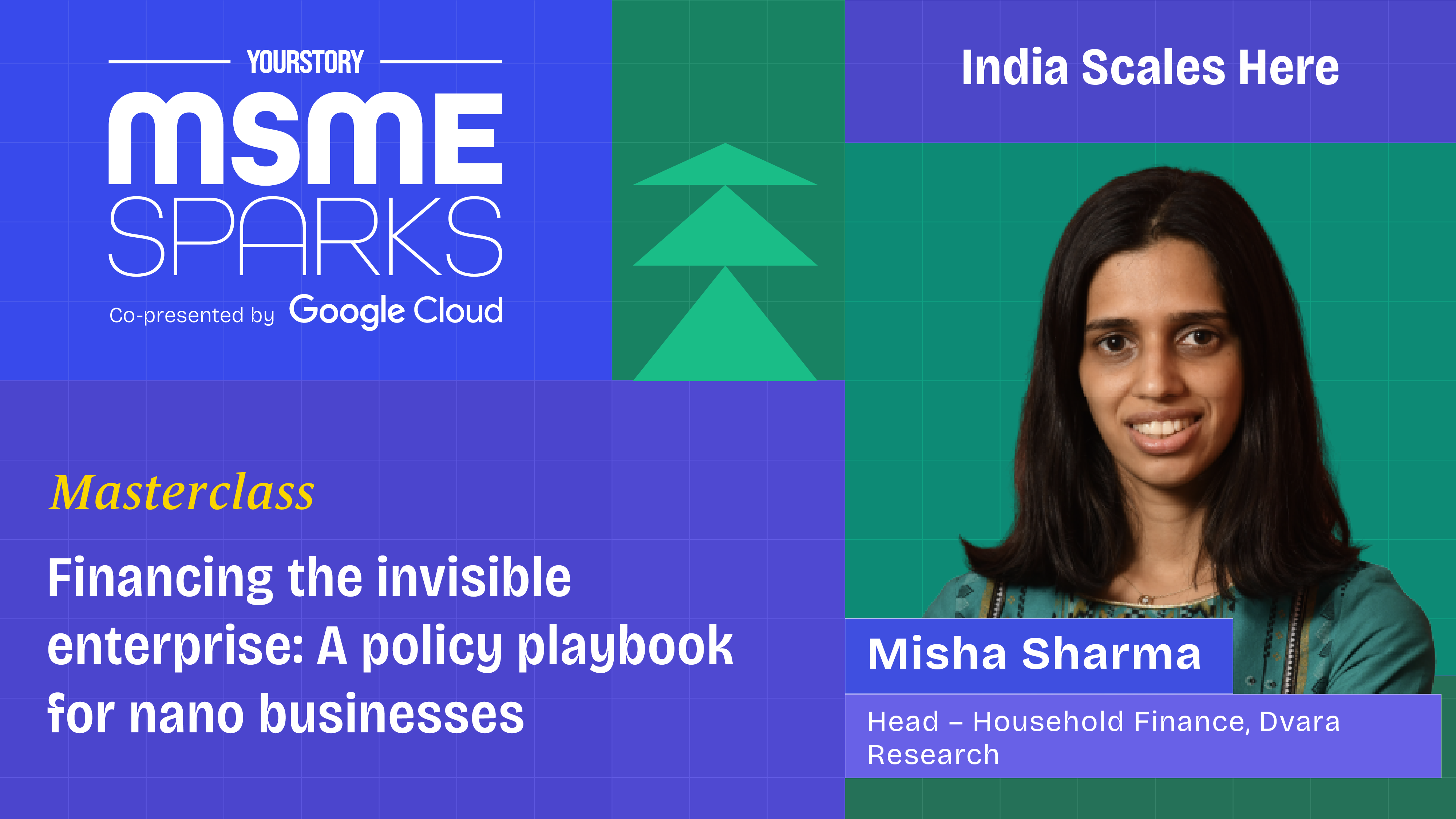
At MSME Sparks 2026, Dvara Research outlined why millions of invisible nano businesses remain locked out of formal credit and identified three policy changes to bring them into the financial system. Builders targeting MSMEs should watch how credit infrastructure evolves—access to data-backed lending could reshape the entire segment.

At MSME Sparks 2026, Fynd explained how AI powers autonomous retail operations and efficiency gains for small businesses. Builders should focus on low-cost, purpose-built automation for retail—MSMEs want scale without headcount, and margins are tight.
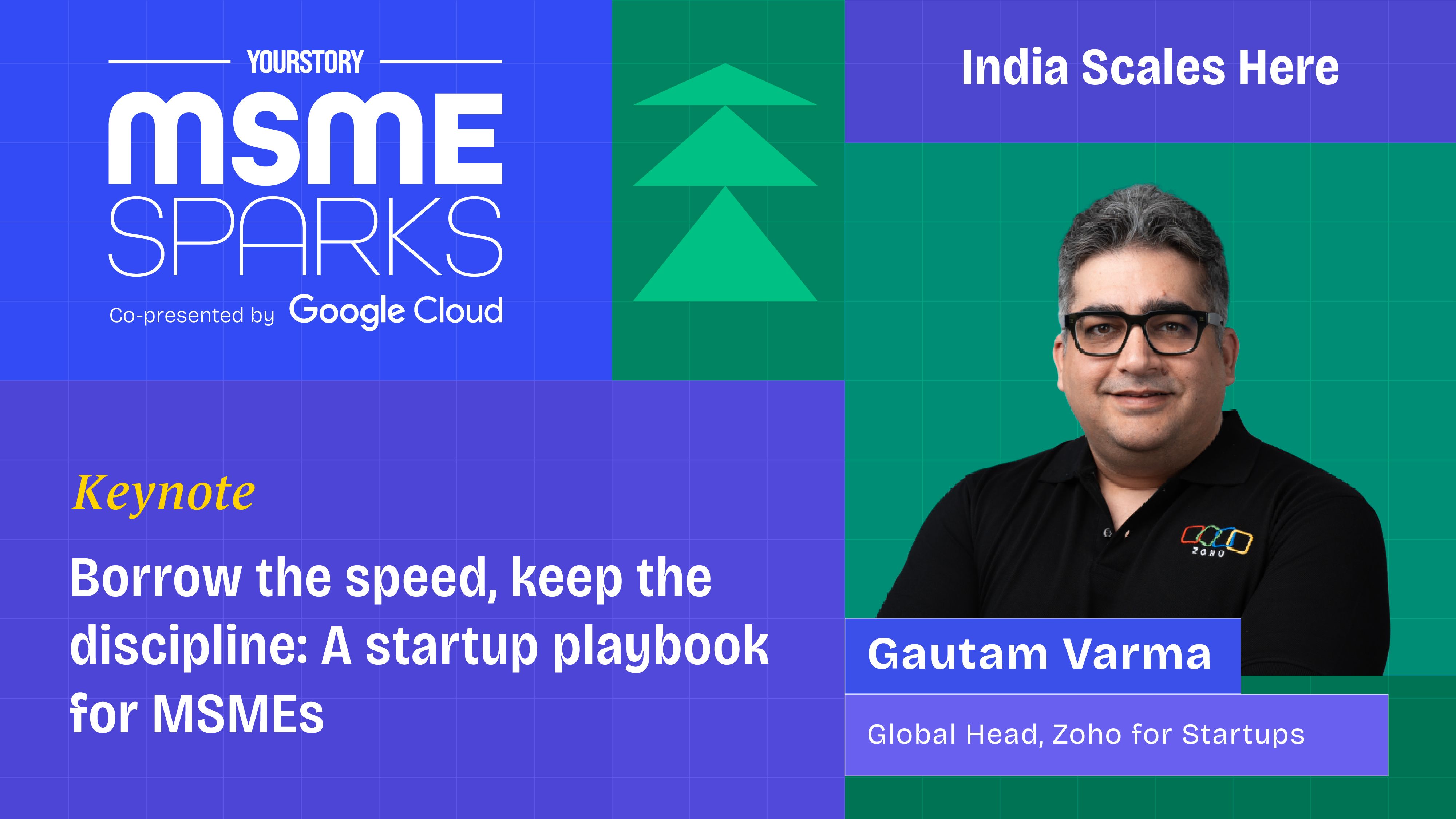
At MSME Sparks 2026, Zoho broke down how India's small businesses can adopt startup culture while staying grounded in fundamentals. Builders should position products as speed-multipliers for MSMEs, not replacements for their core discipline—the market wants efficiency, not disruption.

B2B ecommerce leader IndiaMART reported 12% consolidated net profit growth to ₹172.2 Cr in Q1 and is planning to enter lending. Builders should watch B2B platforms' expansion into financial services—it's the natural next layer for captive ecosystems.

French lawmakers voted to ban social media for children under 15 and restrict smartphone use in high schools, marking the strictest regulatory move globally against youth platform access. Builders should prepare product and community strategies for age-gated markets—France signals Europe's direction on youth protection.
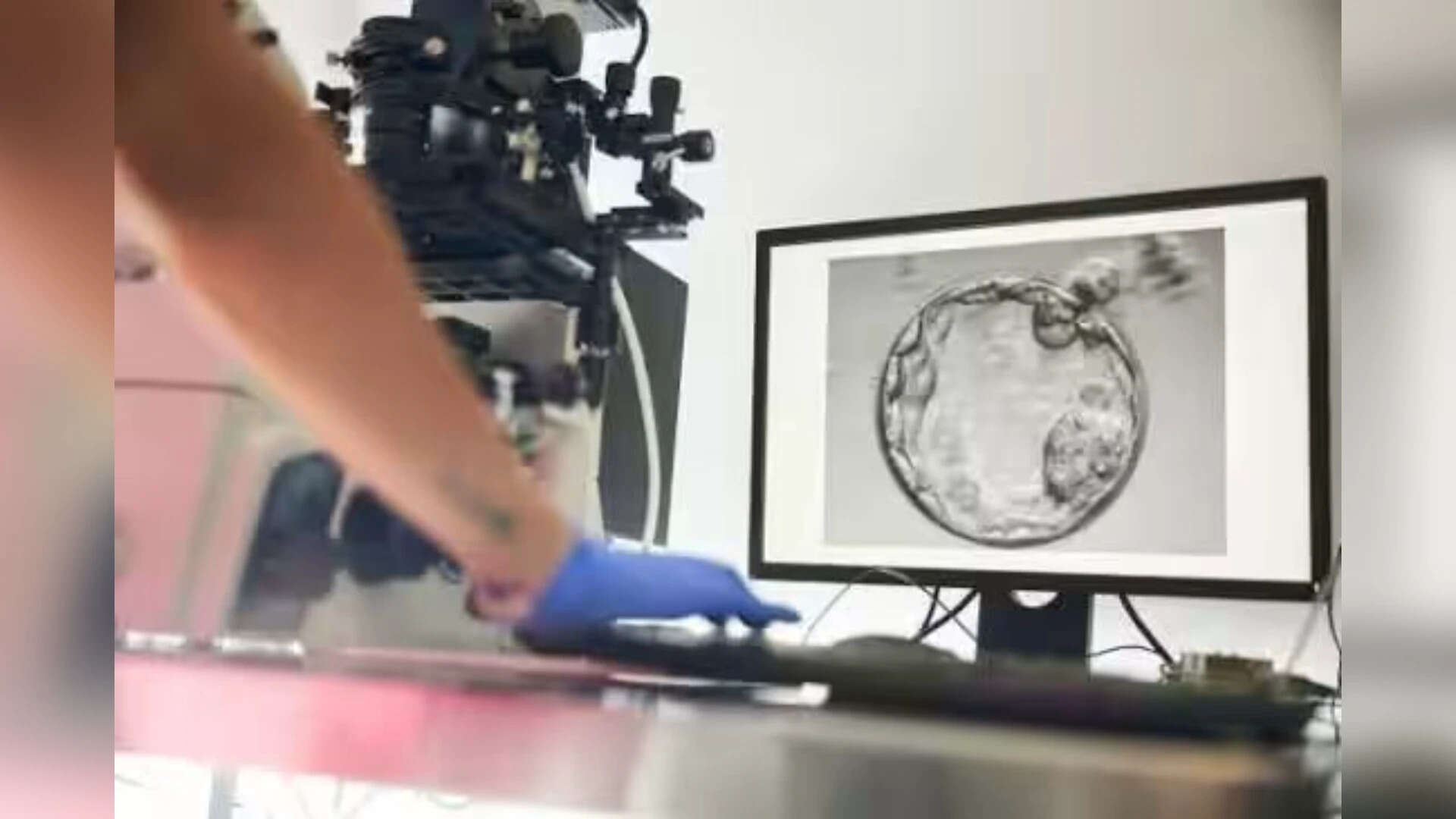
The National Commission for Women convened an Expert Committee on Assisted Reproductive Technology, forming 3 groups to examine ART and IVF service issues. Healthtech builders in reproductive health should prepare for regulatory frameworks—policy is catching up to practice.
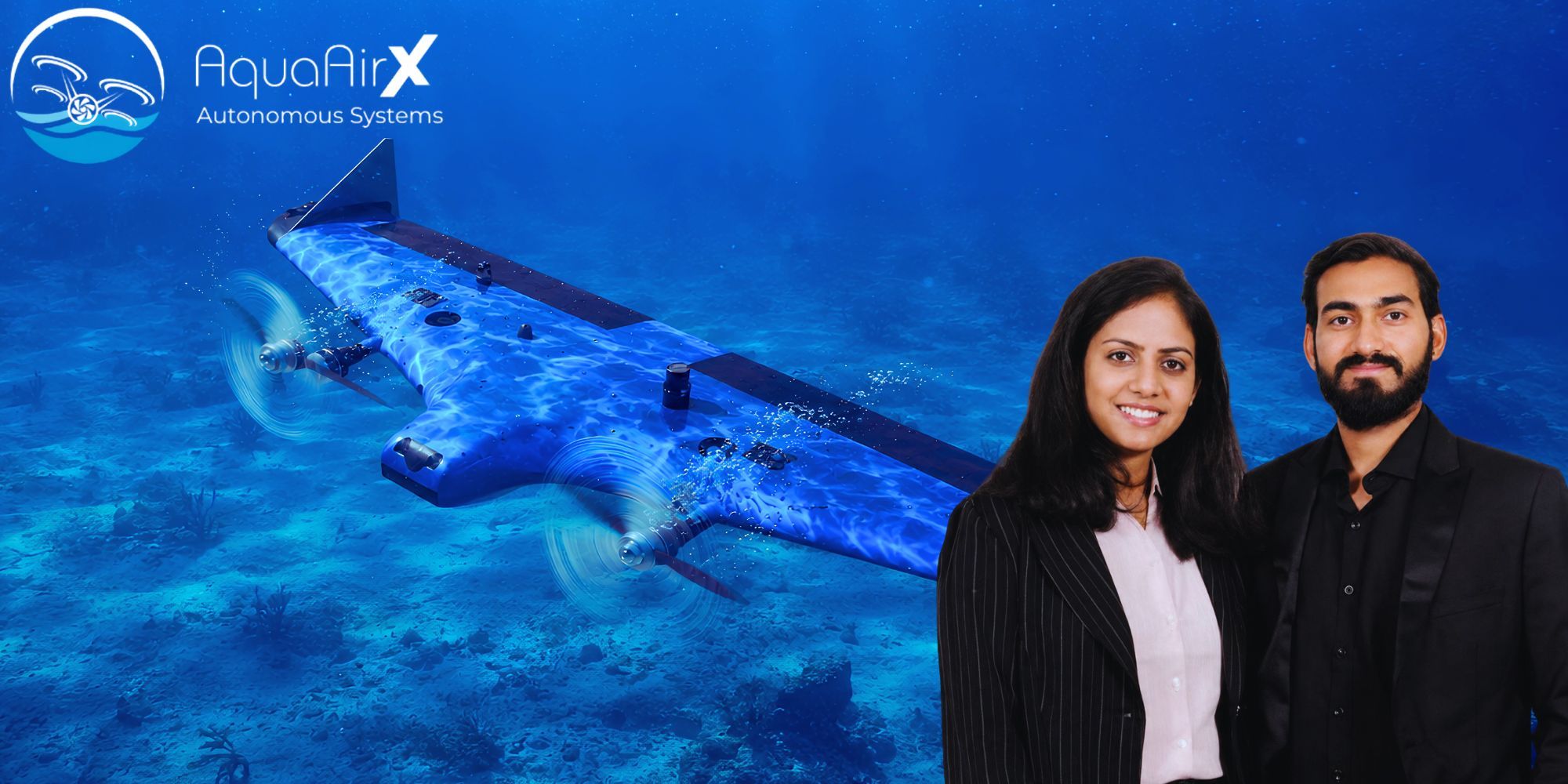
Bengaluru deeptech startup AquaAirX built AVATAAR, a multi-domain drone that transitions from air to underwater, designed for coastal patrol, search and rescue, and defence. The multi-mode vehicle narrative is attracting investor interest—builders should consider hybrid-capability platforms as defensible IP.

Ather Energy raised ₹1,300 Cr through qualified institutional placement at ₹1,202 per share, with existing investors adding ₹1,200 Cr for a total of ₹2,500 Cr to fund manufacturing and product expansion. Capital is flowing to proven EV builders—watch for accelerated production ramps and new category launches.
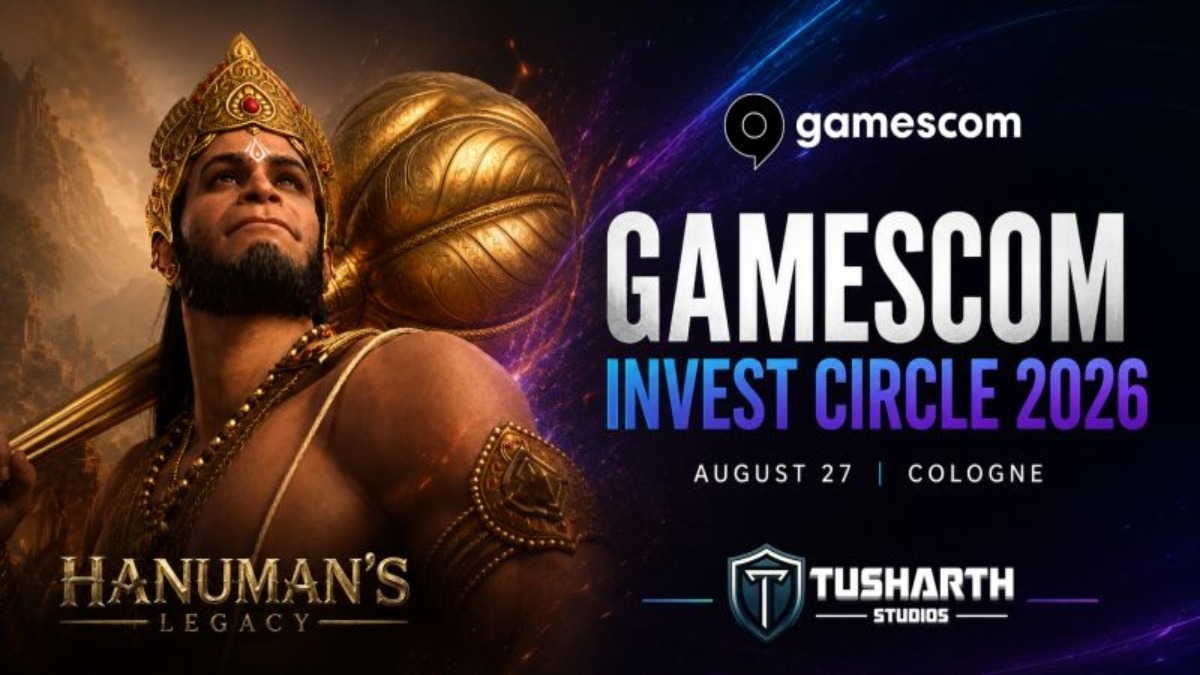
Indian game developer Tusharth Studios was chosen for Gamescom Invest Circle 2026 to pitch 'Hanuman's Legacy' to international investors, publishers, and platform holders. Indian game studios are breaking into global distribution—builders should prepare English-first, culturally-rooted IP for Western markets.
 Arjun’s TLDR
 Meera’s TLDR