Legacy Systems Block Enterprise AI Adoption for Indian Builders — Product Growth, 31 July
The essential morning brief for Indian product builders — every number sourced and dated, every industry covered.
31 July 2026 · Product Growth Daily Brief · Presented by Arjun & Meera · Editorial standards
🎧 Listen to this edition — Arjun & Meera, 31 July 2026
Arjun & Meera · Today's brief
The Paytm Payments Bank winding up order isn't just a regulatory slap—it's a watershed moment for fintech builders about what happens when you build on borrowed trust. The Delhi High Court's directive marks the first major unraveling of a Reserve Bank-regulated payment system, and the message is unambiguous: scale without resilience, and the regulator will force the reset. For founders raising capital or architecting financial infrastructure, this is a stark reminder that compliance theater loses to structural fragility every time. The broader fintech ecosystem will now face heightened scrutiny, but the real lesson is architectural: vertical integration without redundancy is a liability disguised as efficiency.
What's interesting is how this plays against the optimization story unfolding elsewhere. Swiggy just proved that unit economics matter more than growth-at-all-costs—Instamart hit breakeven in May while growing 53% YoY, and Swiggy cut overall losses by 34%. That's the anti-Paytm playbook: disciplined scaling. Meanwhile, across SaaS and enterprise software, teams are stuck in the opposite trap. Only a third of Indian employees see AI embedded in core systems; the rest are stuck ferrying data between disconnected tools. Legacy infrastructure—not lack of talent or AI maturity—is the bottleneck. Companies are adopting AI features in isolation while their workflows remain 2010-era. Capgemini's CEO named it clearly: modernizing data and infrastructure isn't optional anymore.
The pattern repeats in quick commerce, healthtech, and mobility. Ather Energy's pothole alert using fleet intelligence is a micro-example of what happens when you bake real-world feedback into product. Whereas Reddit is suddenly nervous about Meta's intentional targeting of its community model through Threads and the new Facebook Groups Forum app—a reminder that distribution and network effects still matter more than feature parity, but only if you keep users sticky. The cancer data from ICMR (8-11% rise in North India over five years, Haryana at 11.26%) is a separate signal but worth noting: it's a market signal for healthtech builders that preventive care and diagnostics infrastructure are about to become critical.
Watch this week for how RBI responds to Paytm's fallout—expect tighter capital adequacy rules for smaller fintech players and renewed scrutiny of payment banks' deposit-taking practices. For your own roadmap: if you're building B2B software, audit your infrastructure stack now. Legacy modernization isn't a five-year project anymore; it's a six-month survival requirement.
The Delhi High Court directed Paytm Payments Bank's winding up under the Banking Regulation Act, 1949, per orders dated July 8 and July 22, 2026. This marks the end of a defining experiment in India's payments banking model—builders should note how regulatory pressure and compliance failures can dismantle even high-profile fintech ventures.
Businesses are moving beyond simply adopting AI receptionists and now focus on improving their performance, according to Upfirst research. Builders should pivot from selling AI adoption to selling AI optimization—this is where revenue and defensibility live.
Most Indian employees find AI improves daily work, but only a third see it embedded in core systems; disconnected systems cause employees to waste hours moving information weekly. SaaS builders should prioritize workflow integration over isolated AI features—enterprises need end-to-end orchestration, not point solutions.
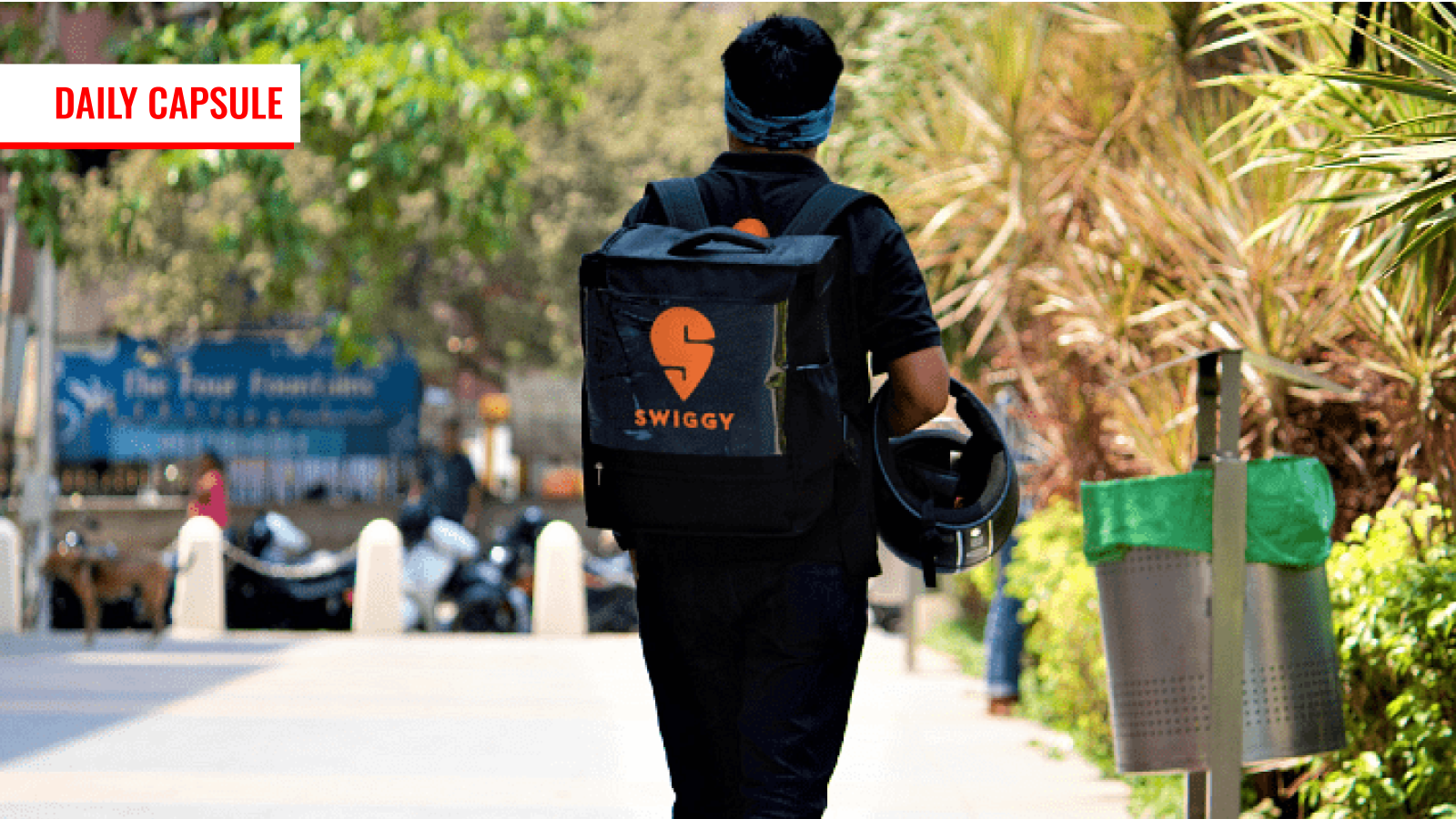
Swiggy reduced Q1 losses by 34% while Instamart achieved breakeven in May 2026 with 53% YoY revenue growth reaching Rs 1,232 crore in Q1. Quick commerce unit economics are now validated—builders and investors should expect consolidation as the category shifts from growth-at-any-cost to sustainable unit economics.
Capgemini CEO Aiman Ezzat identified legacy systems as AI adoption's main hurdle; companies must modernize data and infrastructure for effective AI integration, creating a multi-year investment cycle. EdTech builders targeting enterprises should prepare to solve infrastructure and data interoperability—AI features alone won't drive adoption.
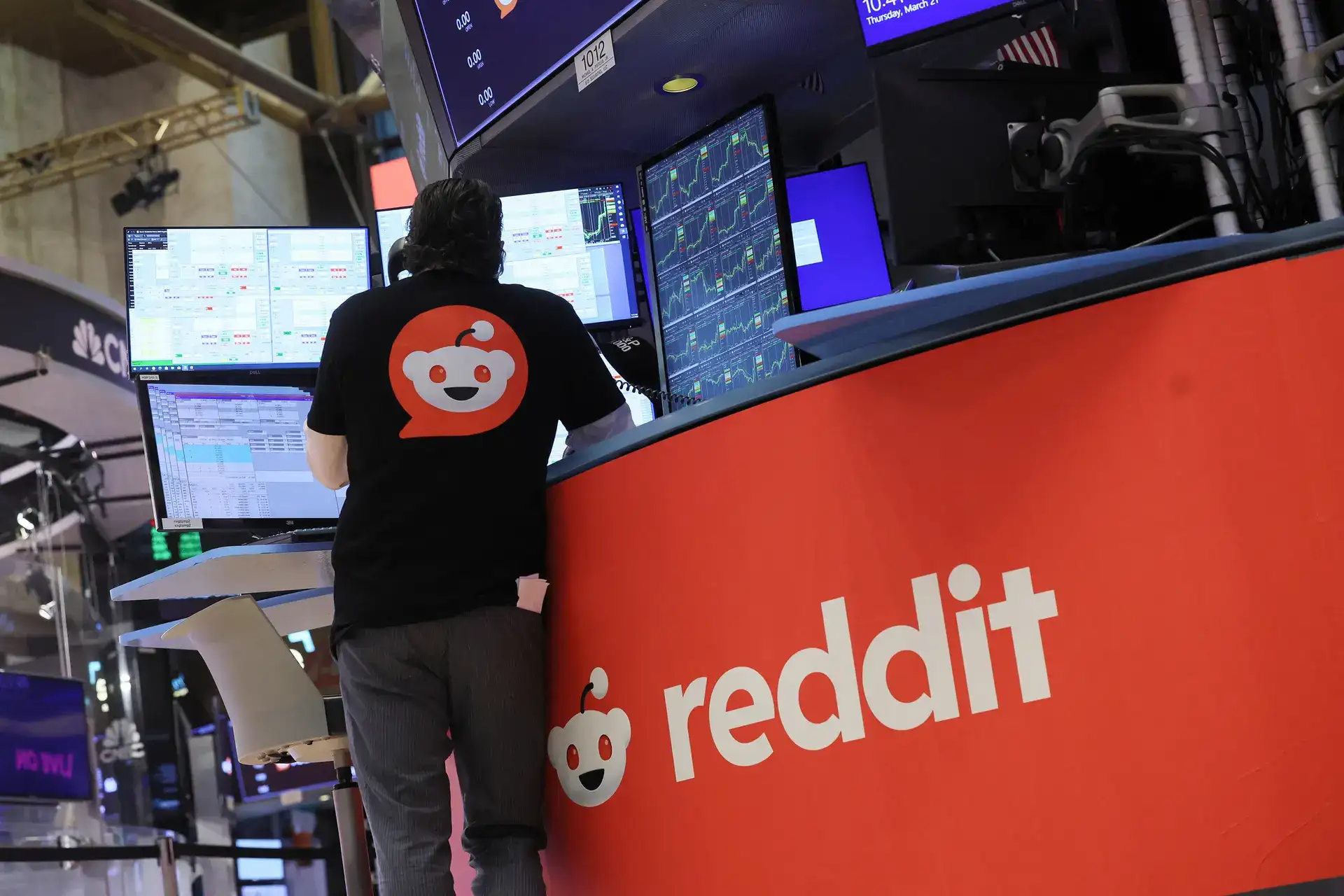
Reddit flagged declining US user growth and volatile search referrals while Meta's Threads communities hub and new Facebook Groups Forum app directly target Reddit's core offering. Builders in community platforms should diversify beyond organic search traffic and expect entrenched players to replicate proven community models—defensibility requires unique data or governance advantages.
Estimated cancer cases in North India increased 8-11% over 5 years, with Haryana hitting 11.26%, Punjab at 9.29%, and Himachal Pradesh at 8.72%, per ICMR's National Cancer Registry Programme. HealthTech builders should explore early detection and screening tools for Tier 2/3 markets where diagnostic capacity lags rising incidence.
Microsoft closed up more than 15%, lifting market cap to $3.35 trillion and setting a record single-day gain of $450 billion, exceeding Nvidia's previous record of $441 billion on April 9, 2025, per LSEG data. This underscores where capital sees the biggest AI opportunity: compute infrastructure and software integration, not chip design alone.
Ather Energy deployed a pothole alert feature for Gen 2 and above scooters using road intelligence from its connected fleet to alert riders to potholes, broken roads, and speed breakers. Mobility builders with connected fleets are creating data advantages—road surface quality data becomes a defensible moat as autonomous mobility scales.
Xbox is leveraging Gamescom 2026 as its 25-year milestone event with a blockbuster lineup including Modern Warfare 4, Fable, and Gears. Gaming studios should expect continued dominance of established franchises—new IP faces higher discovery costs and audience skepticism.
 Arjun’s TLDR
 Meera’s TLDR