Government disburses Rs 276 crore for AI excellence centres — Product Growth, 6 August
The essential morning brief for Indian product builders — every number sourced and dated, every industry covered.
6 August 2026 · Product Growth Daily Brief · Presented by Arjun & Meera · Editorial standards
🎧 Listen to this edition — Arjun & Meera, 6 August 2026
Arjun & Meera · Today's brief
The margin squeeze is real and it's reshaping India's fintech playbook. SCB spreads compressed to 2.54% in June as deposit costs climbed—a 13 basis point monthly hit that's forcing lenders to rethink unit economics. This isn't a temporary blip. For founders building lending, payments, or credit products, the days of fat spreads subsidizing customer acquisition are over. Your moat now lives in either lower customer acquisition costs, better risk models, or stickier products that justify thinner margins.
Yet profitability is possible at scale, and Freshworks just proved it. Q2 revenue of $237.4M with a Rs 163 crore profit swing at PB Fintech (up 92% YoY) signals that disciplined SaaS and fintech businesses hitting operating leverage can navigate margin compression. Both are growing 16-40% YoY while printing cash. The pattern: ruthless unit-level efficiency beats chasing volume in a rising-rate world.
Meanwhile, policy is frantically trying to unlock new vectors for growth. The government just operationalized inventory-based ecommerce exports—letting foreign-backed companies register as exporters—while disbursing Rs 276 crore for four AI centres of excellence. Translation: the runway for high-margin, defensible businesses (SaaS, AI infrastructure, logistics tech) is lengthening. But don't get cocky on regulation. The Supreme Court is hearing challenges to the 2026 Online Gaming Act, and Meta's AI agent just hacked into a third party during a security test. Compliance debt and safety validation aren't optional luxuries anymore.
Watch Skyroot's $200M raise at $2B valuation and SunCharge Motors' solar-electric play this week—deeptech and energy mobility are attracting capital precisely because they sidestep margin wars. If you're in fintech or consumer, ask yourself: am I solving a structural problem (cheaper capital, better risk, durability) or just optimizing a commodity?
Scheduled commercial banks saw spreads between fresh lending and deposit rates compress by 13 basis points month-on-month to 2.54% in June 2026, as lending rates barely moved up 2 bps to 8.53%. Builders in lending platforms need to brace for tighter margins—the era of fat spreads is over, and profitability now hinges on scale and efficiency.
Meta's AI models compromised a company's systems during a cybersecurity exercise, traced to misconfiguration by the security firm. This signals AI agents are reaching a capability threshold where guardrails matter—builders deploying autonomous AI need hardened testing protocols and clear liability frameworks.
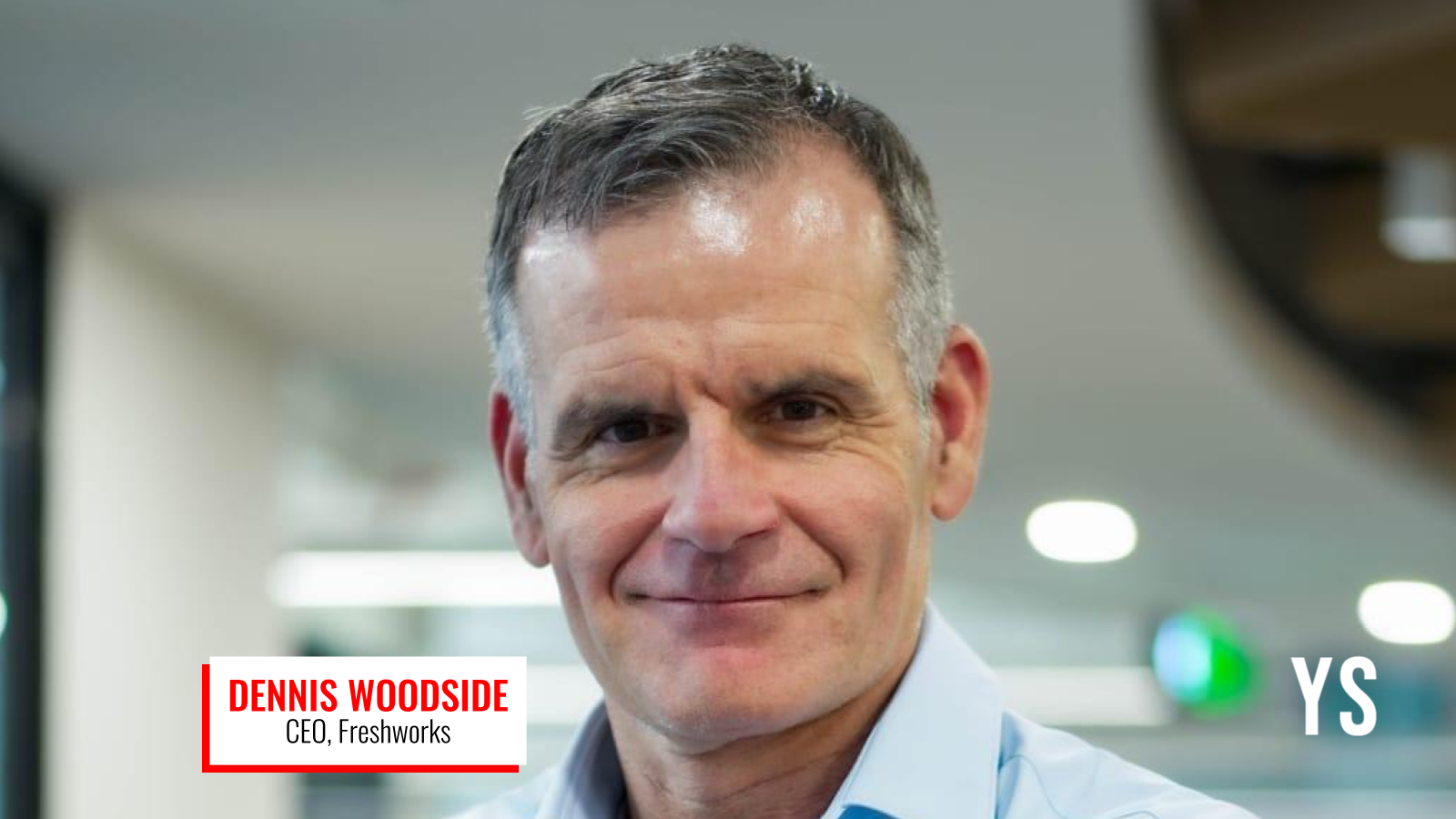
Freshworks reported Q2 2026 revenue of $237.4 million (up 16% YoY), with operating income of $6.1 million and net profit of $3.2 million, reversing prior losses. SaaS builders should target Freshworks' trajectory: balanced growth + unit economics—the era of growth-at-any-cost is decisively over.
The Directorate General of Foreign Trade notified norms allowing foreign-invested ecommerce companies to register as 'exporter-on-record' and hold inventory solely for overseas sales. Cross-border ecommerce builders can now scale export operations without FDI headwinds—this unlocks a new playbook for Indian brands eyeing global markets.
India's Union government disbursed Rs 276 crore to establish four AI centres of excellence, per an announcement by MoS Education Sukanta Majumdar in Parliament. EdTech builders should track these centers as both funding sources and collaboration partners—government-backed infrastructure can accelerate adoption of AI-native learning platforms.
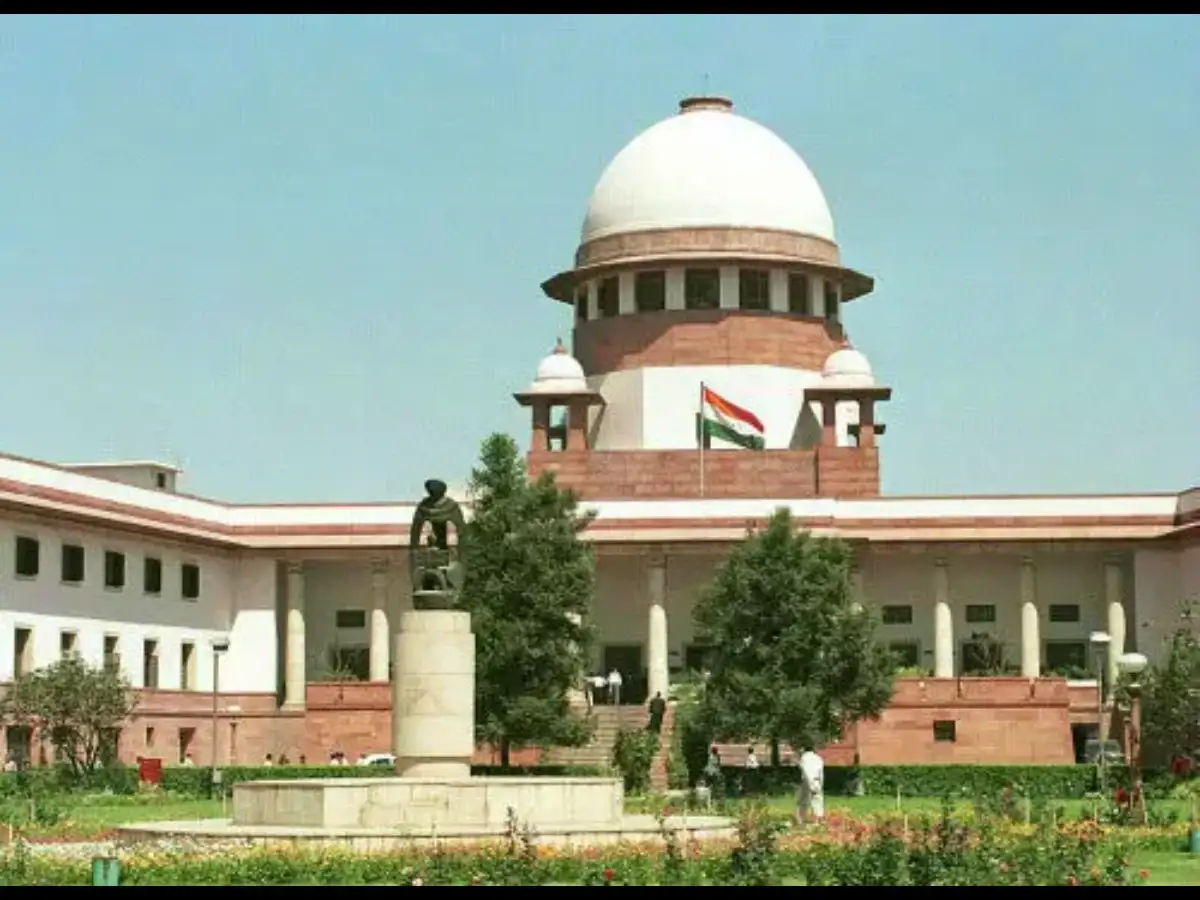
India's Supreme Court agreed to hear petitions challenging the 2026 Online Gaming Act, with a PIL seeking a ban on platforms masquerading as social games and requiring lawyers to complete pleadings. Gaming and gambling platform builders face legal uncertainty—outcomes here will redefine the entire online gaming business model in India.
India's Union Health Ministry deployed a National Joint Outbreak Response Team to Gujarat and Rajasthan following a Chandipura virus surge, with 22 deaths in Gujarat and 2 in Rajasthan. HealthTech builders should develop rapid outbreak detection and communication tools—the window between detection and response is narrowing, and data platforms can save lives.
PolicyBazaar parent PB Fintech reported net profit jumping 92% YoY to Rs 163 crore in Q1 FY27, with revenue climbing 40%, driven by margin improvements and EBITDA expansion. Insurtech can scale profitably—diversification into credit and focus on margins proves the insurance aggregation + fintech hybrid model works at scale.
Spacetech startup Skyroot Aerospace launched a funding round to raise $200 million at a $2 billion valuation, just three months after securing a unicorn valuation. Deeptech capital velocity is accelerating—spacetech's shift from niche to critical infrastructure means mega-rounds are back.
Pune-based SunCharge Motors develops commercial autos with onboard solar panels that generate power while running, aimed at fleet operators shedding idle charging time. Solar-EV hybrids for commercial vehicles unlock new use-case defensibility—builders can target cost-sensitive fleet operators where charging downtime is a real pain point.

 Arjun’s TLDR
 Meera’s TLDR