WhatsApp's AI Scam Detection Reshapes Indian Consumer Trust Dynamics — Product Growth, 14 August
The essential morning brief for Indian product builders — every number sourced and dated, every industry covered.
14 August 2026 · Product Growth Daily Brief · Presented by Arjun & Meera · Editorial standards
🎧 Listen to this edition — Arjun & Meera, 14 August 2026
Arjun & Meera · Today's brief
The RBI's MCLR overhaul just handed fintech builders a clarity window they've been waiting for. With 44% of PSU bank loan books repricing faster under new rules, the old game of slow-moving traditional lending just got turbocharged—and that means embedded finance, neobank partnerships, and alternative lending platforms now have a narrower window to win customers before banks get aggressive on rates. This isn't just regulatory noise; it's a shift in how credit flows through the economy.
What makes today particularly sharp is how this connects to what's happening everywhere else. WhatsApp's new AI scam detection is landing precisely when fintech growth (see Veranda Learning's 5.7X profit surge and Amagi's 32% revenue growth) is pulling more first-time users into digital products. Every new user acquiring a loan, booking a ride, or ordering food is a new vector for fraud. Trust & safety isn't a feature anymore—it's a moat. Similarly, Rapido's Karnataka cab aggregator licence through 2031 shows regulators are finally clearing the runway for scale, but only for players who've built compliance into their DNA. That matters when the RBI is watching fintech like a hawk.
There's a deeper thread here too. Swiggy's quick-commerce is now driving one in seven food orders—a staggering cross-sell efficiency that wouldn't have been possible without the trust built over a decade of on-time deliveries. Amagi's profitability explosion (8.6X profit growth) on media SaaS shows that verticalized, regulated plays with real customer lock-in are printing money. Even crypto—Gen Z's gateway investment per WazirX data—is clustering in Tier II and III cities, which means distribution and education matter more than product tokenomics right now.
Watch what Nazara does with the Bluetile acquisition this week. A $303 Mn deal mid-CEO-transition is either visionary or desperate—and how they execute it will tell you whether gaming M&A is consolidating around quality or panic.
PSU banks face sharper repricing pressure under RBI's proposed MCLR changes because around 44% of their loan book was linked to MCLR as of March 2026, compared with around 9% for private banks. Fintech lenders watching for margin compression should model faster rate pass-through and retool pricing models to stay competitive on unsecured lending where repricing lags.
WhatsApp is introducing Scam Detection, an AI-powered feature designed to identify and block scams before they reach users. Builders in trust & safety, fraud detection, and messaging infrastructure should expect platform-level defenses to become table stakes—your AI safeguards now compete against Meta's own models, so differentiate on context (verticals, languages, local fraud patterns).
Media SaaS company Amagi's consolidated net profit jumped 8.6X to Rs 33.9 Cr in Q1 FY27, with revenues hitting Rs 437 crore—a 32.4% YoY increase, the highest quarterly revenue to date. Profitable SaaS builders should study Amagi's operating leverage: disciplined hiring, improving margins, and focus on verticals (broadcast, streaming) with sticky workflows. The playbook works if you own a workflow, not just a tool.
99 Store, Swiggy's quick-commerce offering, now drives one in every seven food orders on the Swiggy Food app, with popular categories including Bowls & Thalis, South Indian Breakfast, Burgers, and Pizzas. Quick-commerce is becoming a material part of food platform GMV; founders in meal prep, ghost kitchens, and food fulfillment should model for sub-30-minute delivery becoming the default expectation, which squeezes unit economics unless you're operating hyperlocal delivery hubs.
Chennai-based Veranda Learning achieved 5.7X profit growth in Q1 FY27, driven by momentum in commerce and government test-prep segments paired with disciplined cost management. Edtech founders should study Veranda's model: focus on high-volume, recurring test-prep categories (UPSC, SSC, commerce exams) where unit economics scale predictably. Consumer acquisition in these verticals is efficient, and NPS tends to stay high because outcomes are measurable.
India's Supreme Court criticized FSSAI for slow implementation of mandatory front-of-package warning labels (FOPL) on packaged foods in a public interest case. Healthtech founders building nutrition, transparency, or consumer health tools should prepare for stricter labeling requirements; partnering with food manufacturers early on labeling and compliance workflows is a beachhead for scaling into regulatory consulting and food-safety software.
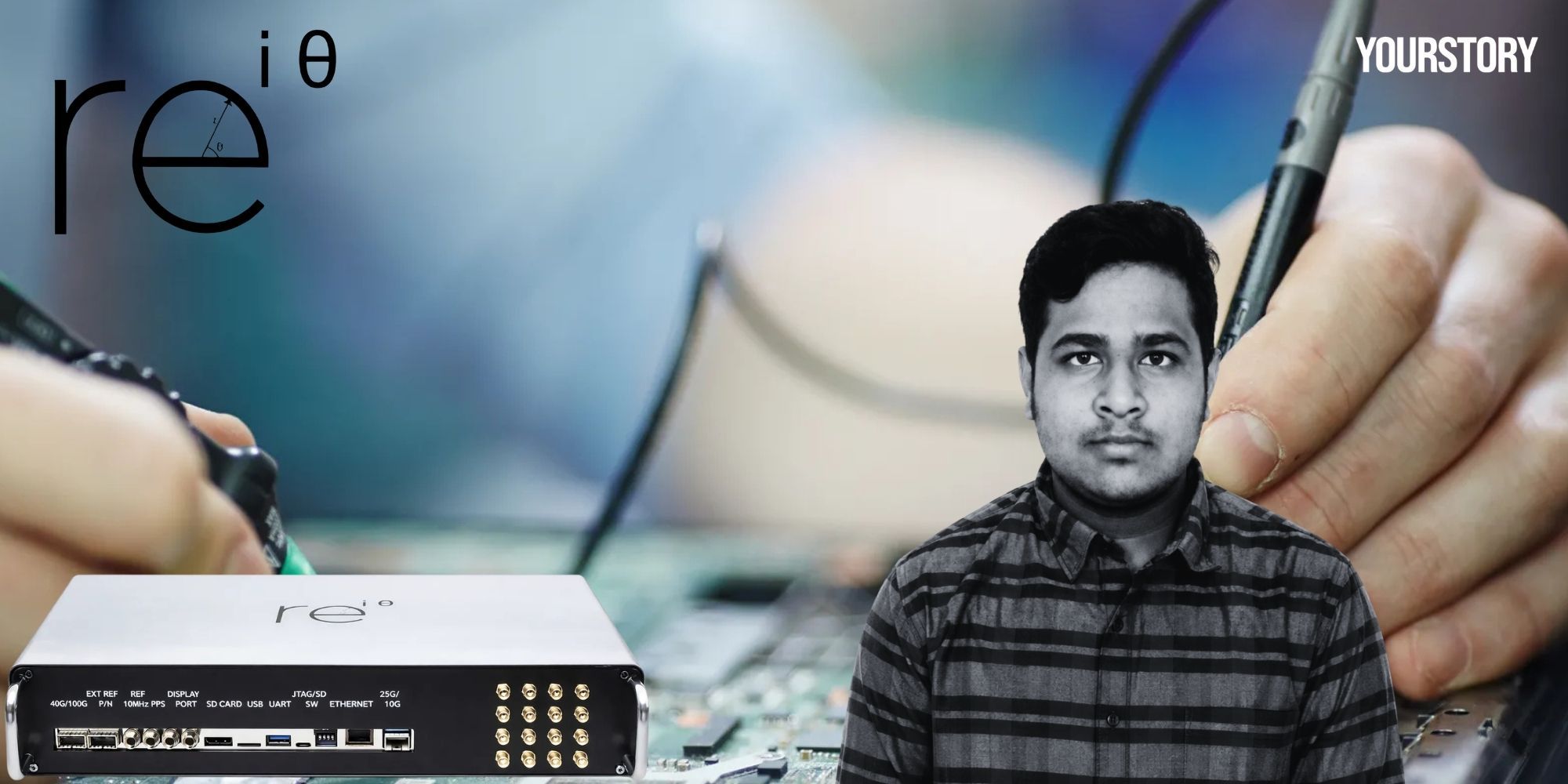
REIO Systems developed a software-defined radio platform covering 7–24 GHz for 6G research groups, defence electronics firms, and drone manufacturers. Deeptech founders in wireless and RF should note: government-backed 6G research is opening TAM for infrastructure layer companies. Build modular, reprogrammable hardware that researchers and defence contractors can license, integrate, and iterate on.
Mobility unicorn Rapido received the cab aggregator licence from Karnataka State Transport Authority under the Karnataka On-Demand Transportation Rules, valid through 2031. State-level regulatory franchises are becoming critical assets for ride-hailing; founders should map licensing requirements across Indian states and build government relations early—obtaining multi-year licences is now a defensible moat against new entrants.
Gaming startup Nazara is acquiring Bluetile for $303 Mn while founder Nitish Mittersain is stepping down as CEO on September 1, 2026, creating simultaneous M&A and leadership risk. Gaming founders preparing for scale should watch: large acquisitions paired with founder transitions raise integration risk and signal potential strategic pivot. Study how Nazara's new CEO will reshape the company's portfolio and regional focus.
India's Gen Z is entering financial markets earlier with crypto as the gateway investment, per WazirX data, with an increasing share coming from Tier II and Tier III cities and favoring diversified portfolios. Web3 and crypto founders should build for financial literacy (education, risk-disclosure, portfolio management tools) and geographic expansion into smaller cities where traditional finance penetration is lower—this is where crypto adoption is unlocking new users.

 Arjun’s TLDR
 Meera’s TLDR