🎧 Listen to this edition — Arjun & Meera, 2 September 2026
Arjun & Meera · Today's brief
The National Payments Corporation of India is building an AI agent protocol into UPI itself. This isn't a future feature—NPCI is actively developing a Unified Agent Protocol (UAP) that will let autonomous systems handle low-value, high-frequency purchases directly through the payment rails. For builders, this changes everything about how you think about transactional friction. Your app doesn't need to capture payment intent anymore; intent-detection gets handed to an agent running on the network. The implications ripple across fintech, commerce, and subscription businesses that have spent years optimizing checkout flows that may soon be obsolete.
This moves in parallel with what Sam Altman is pushing at OpenAI: AI capabilities and safety safeguards must develop at the same pace. As agents get smarter—and UPI hands them real purchasing power—your responsibility as a builder shifts from feature parity to guardrails. It's not enough to be clever; you need to be trustworthy. That's especially true as consolidation picks up in adjacent spaces. upGrad just closed its acquisition of Unacademy after regulatory clearance, and InsuranceDekho merged with RenewBuy to create a combined distribution platform with ₹6,600+ crore in premium book. Bigger, more integrated platforms = larger surfaces for autonomous decision-making = higher stakes on safety.
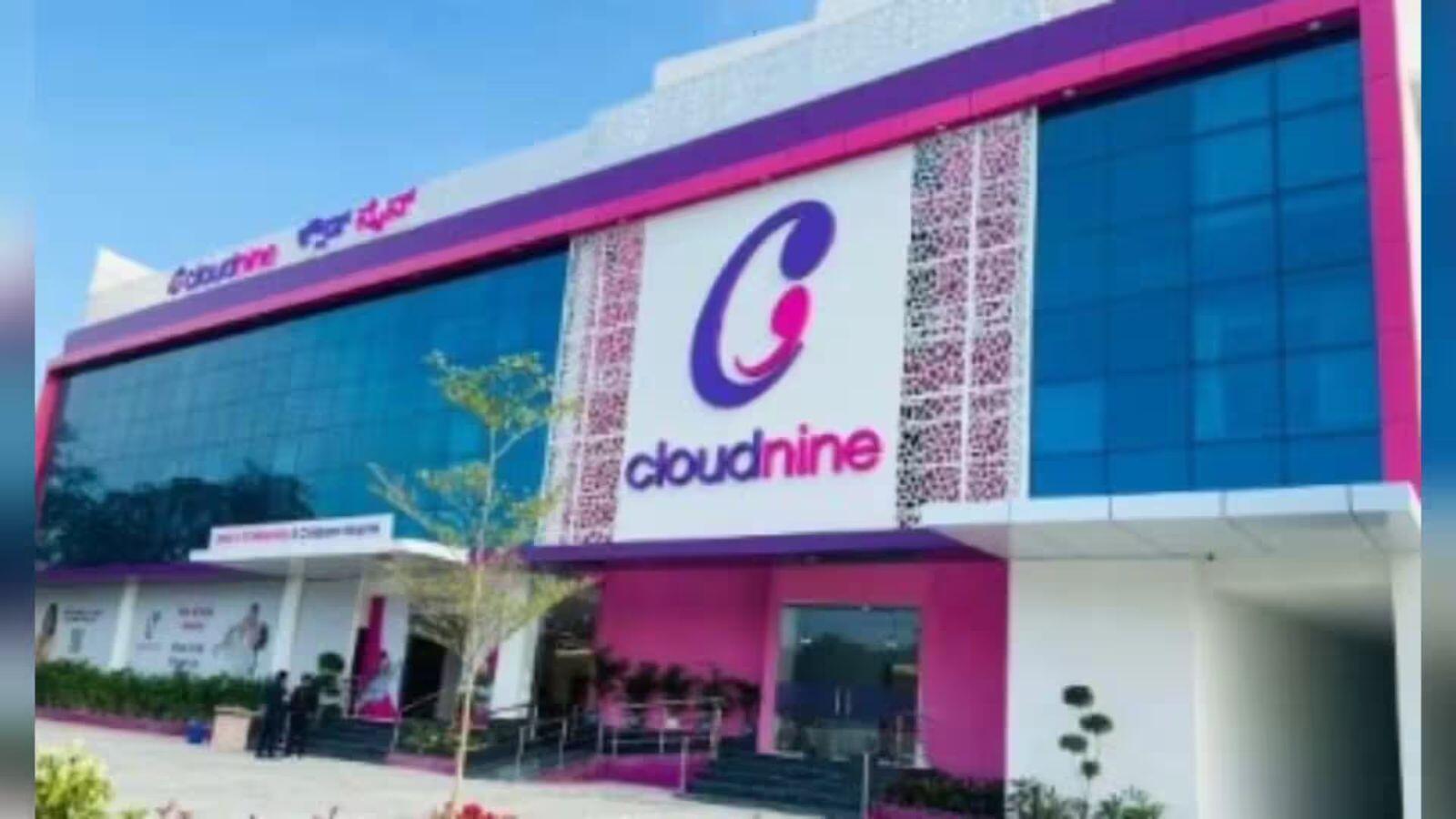
The capital side is heating up too. Permira just valued Cloudnine Hospitals' parent at ₹11,000 crore; Minimac Systems raised ₹30 crore for lubricant recycling infrastructure. Money is finding scale-ready problems, not experimental ones. India's gold-loan market alone hit ₹18.6 lakh crore and is targeting ₹30 lakh crore by FY28 at 28% CAGR—that's the kind of velocity that attracts both regulation and automation. Meanwhile, JioHotstar's expansion into UK, Canada, and Singapore shows the diaspora play is real at 500M+ users.
Watch this week for NPCI's technical specs on the UAP rollout and which payment-adjacent startups get early access. This is the moment to stop building for transactional moments and start building for agents to use your product on behalf of users.
The National Payments Corporation of India is developing a Unified Agent Protocol (UAP) to enable AI agents to execute low-value, frequent purchases like groceries without explicit user approval. Builders should prepare for a new payment UX layer and consider how authentication, fraud prevention, and user consent workflows will evolve in an agentic ecosystem.
OpenAI's CEO emphasized that safety and capability development must accelerate in tandem as AI systems grow more powerful. Builders deploying large models should architect safety testing, monitoring, and audit trails into product roadmaps from the start, not as afterthoughts.
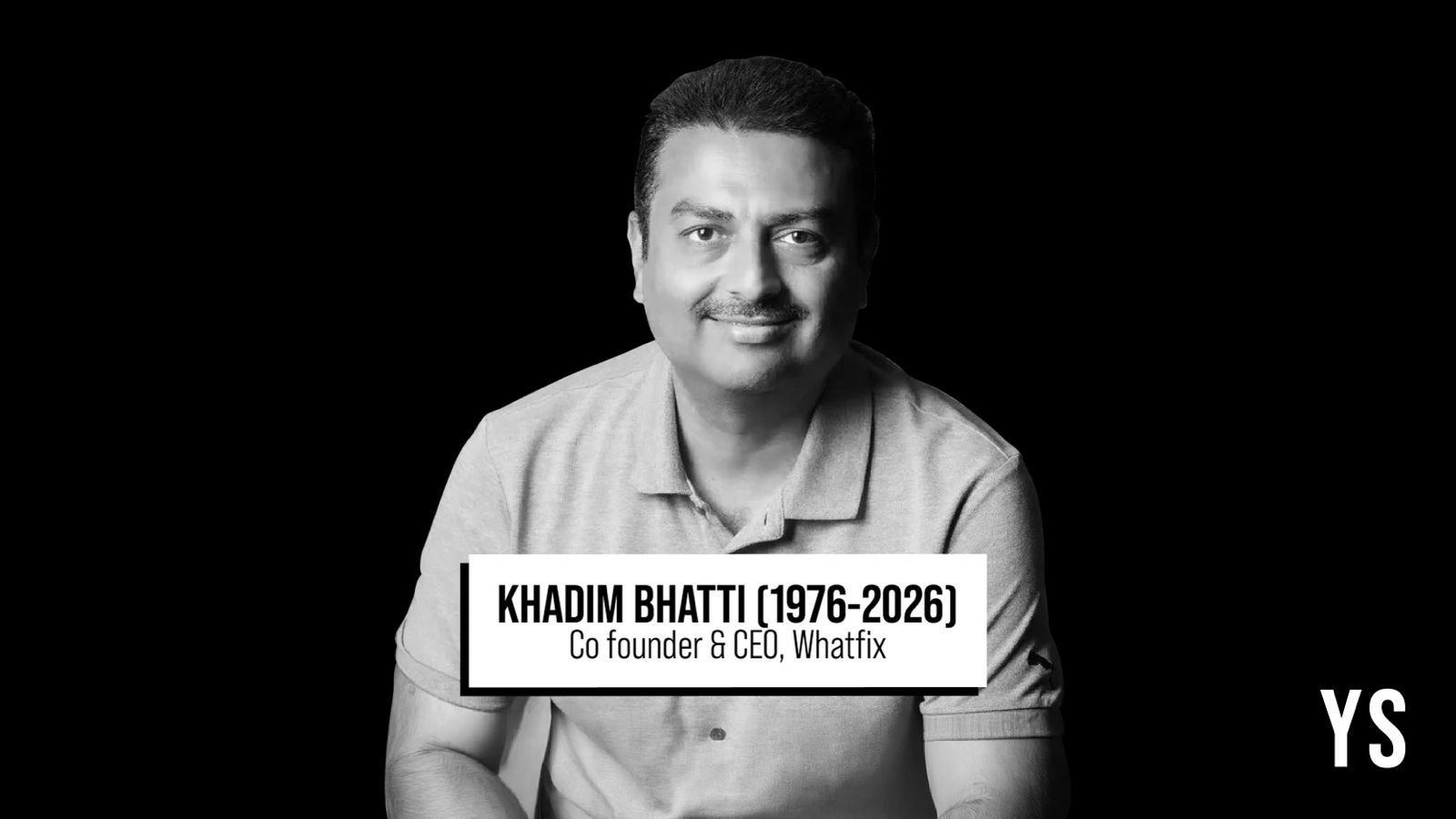
Khadim Batti, co-founder of SaaS unicorn Whatfix, passed away. Batti had co-founded the digital adoption platform (DAP) in 2014 with Vara Kumar to provide in-app guidance and training for enterprise software users. The loss underscores founder-dependency risk; teams should formalize succession and governance structures early.
India's gold-loan market expanded to Rs 18.6 lakh crore as of March 2026 and is projected to grow at 28% CAGR to cross Rs 30 lakh crore by FY28, becoming the second-largest retail asset class after home loans. Fintech and lending builders should explore gold-backed lending products and embedded collateral verification; the category is flight-tested and attracting traditional lenders.
After months of regulatory clearances, edtech major upGrad has officially closed its acquisition of rival Unacademy, ending a period of intense consolidation in the sector. Remaining independent edtech players should prepare for either acquisition or meaningful profitability; scale alone is no longer defensible without clear path to unit economics.
Streaming giant JioHotstar, which has over 500 million users in India, announced expansion into the UK, Canada, and Singapore to serve South Asian diaspora and build global reach. International OTT play is shifting from India-only to diaspora-first; builders in streaming and creator content should map diaspora populations and localize pricing and payment methods for each market.
Global PE firm Permira is acquiring a significant minority stake in Cloudnine Hospitals' parent company, valuing it at approximately ₹11,000 crore. Healthcare M&A is accelerating as PE players consolidate maternity and specialty care chains; builders in healthtech ops, diagnostics, or delivery should prepare for roll-up scenarios or institutional buyer requirements around data security and compliance.
Gurugram-based insurance platforms InsuranceDekho and RenewBuy have completed their merger, creating a combined entity with a premium book of over Rs 6,600 crore in FY26 and pan-India presence. Insurance distribution is consolidating; builders in claims, underwriting, or niche verticals (health, specialty) should identify which mega-distributor they can partner with or target underserved segments that acquirers miss.
Eutelsat OneWeb is seeking expedited government security clearance to deploy its low-earth orbit (LEO) satellite constellation and launch commercial services in India, facing significant delays in monetizing prior investments. Satellite and space builders should anticipate prolonged security reviews; policy clarity around foreign satcom licensing and data residency will unlock or stall commercial launches.
Pune-based startup Minimac Systems raised ₹30 crore ($3.2 million) in a fresh funding round led by Zerodha's investment arm to expand its lubricant recycling infrastructure. Circular economy plays in industrial fluids are gaining institutional backing; builders in waste-to-resource (recycling, refining, re-certification) should target auto OEMs and supply chains seeking ESG compliance.
BGMI Masters Series S5 has entered its decisive playoff stage with 16 teams competing for Grand Finals spots and a share of over ₹1 crore in prize money. Competitive mobile gaming remains a high-engagement, investable category; builders in tournament infrastructure, analytics, or talent management should target esports verticals where India has homegrown audiences and sponsorship appetite.

 Arjun’s TLDR
 Meera’s TLDR