Arjun & Meera · Today's brief
Flipkart's FY26 numbers are the headline for anyone building in Indian commerce: the group's net loss narrowed 2 per cent to Rs 8,468 crore while revenue grew 18 per cent to Rs 1,45,880 crore. That is the shape investors have been asking for, a growing top line with losses finally starting to bend, and the improvement was led by logistics. For a builder, the lesson is that fulfilment economics, not customer acquisition, are where the margin is being won or lost. Read it alongside Cleartrip, also Flipkart-owned, whose FY26 loss widened 28 per cent to Rs 805 crore even as operating revenue grew 21 per cent. Growth without a clear path to unit profitability is still being punished, even inside one of India's best-capitalised groups.
The fintech threads point the same way. ICICI Bank's credit card book shrank 9.7 per cent year-on-year in Q2 FY27 as it exits risky and unprofitable segments, with Executive Director Sandeep Batra framing it as deliberate pruning rather than retreat. Lenders are getting more selective, which means the underwriting models and the customer segments that survive this cycle will be the ones that can prove returns, not just volume. Meanwhile, a Morgan Stanley and Oliver Wyman BluePaper found that only 8 per cent of fund managers have measured improved investment returns from AI adoption. The AI pitch is still ahead of the evidence in finance, and any team selling AI into regulated or return-sensitive workflows should expect to be asked for measured outcomes, not demos.
The capital-allocation debate is getting sharper too. A VC's remark that most deeptech will be revealed as a grift set off heavy reactions on X, in a reply to Neosapien CEO Dhananjay Yadav's post. Whatever one thinks of the tone, the underlying question is real: where should Indian capital go, and how do founders in hard-tech make a credible case for patience? On the hardware side, a report says Nvidia has asked Samsung, SK Hynix and Micron to use TSMC's process for its next-gen NVHBM base dies, a reminder that the AI supply chain is a web of dependencies that small teams can't ignore even when they aren't building chips. Add the growing gap in virtual digital asset traceability as trading shifts to offshore platforms, which an ET BFSI analysis flags as a major enforcement challenge, and the regulatory picture for anything touching money is tightening from several directions at once.
Finally, the policy backdrop is moving too. US Vice President Vance clarified that his "indentured servants" remark was aimed at US companies and the visa system, not H-1B holders themselves, a distinction that mat

Flipkart Group's net loss narrowed 2 per cent to Rs 8,468 crore in FY26, while revenue grew 18 per cent to Rs 1,45,880 crore. The improvement was led by logistics and advertising, according to MediaNama. The group's revenue is nearing Rs 1.5 lakh crore.
ICICI Bank's credit card portfolio fell 9.7 per cent year-on-year in Q2 FY27 as the bank exits risky and unprofitable segments. Executive Director Sandeep Batra also cited higher festive spends last year. The book stood at Rs 53,091 crore at September-end. Around 70 per cent of the portfolio is to existing customers, and about 85 per cent is to salaried individuals.

Cleartrip's net loss widened 28.1 per cent year-on-year to Rs 805 crore in FY26, up from Rs 628.4 crore in FY25. Operating revenue grew 21 per cent over the same period, but cashbacks and discounts rose faster. Cleartrip spent Rs 5.27 for every Rs 1 of operating revenue, according to Inc42.
 ↩ Follow-up to 18 Oct
Only 8 per cent of fund managers have measured improved investment returns from AI, according to a Morgan Stanley and Oliver Wyman report. The BluePaper, titled Breaking from the Pack, cites the Mercer 2026 survey, where 55 per cent of asset managers had integrated AI into at least one part of their investment process. Gains have mostly come in operational efficiency and research.

A VC's post that most deeptech will be revealed as a grift sparked heavy reactions on X. The remark was a reply to a post by Neosapien CEO Dhananjay Yadav. The VC wrote that quick services and quick commerce companies will do more to drive the economy. The exchange has widened into a debate about where India's capital should go.
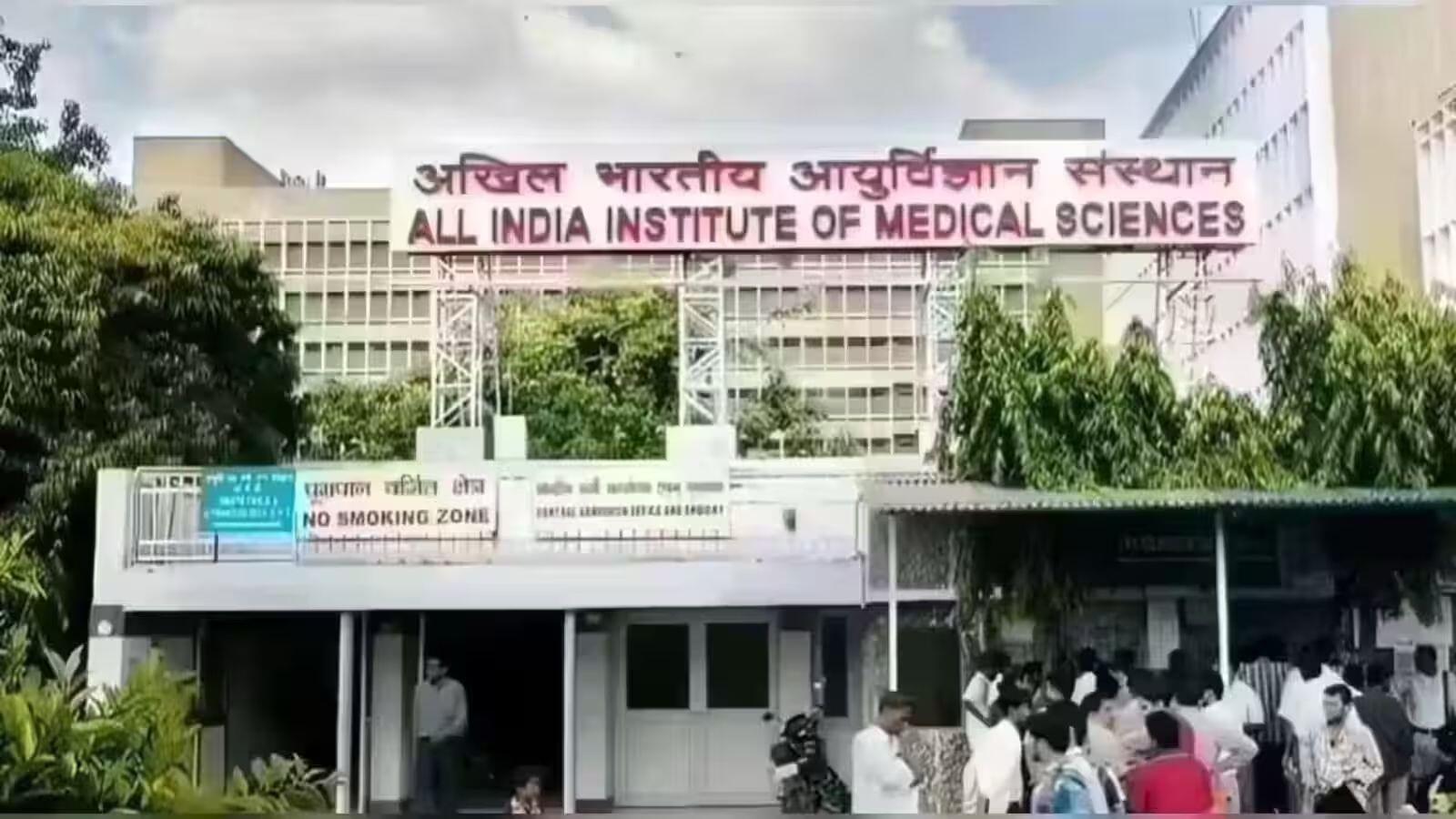
AIIMS doctors have identified anatomical zones called 'Red Alert Zone' and 'Ray's Hepatocaval Triangle' to reduce risks in complex cancer surgeries in women. The zones are intended to help ensure better patient outcomes during such procedures. The framework is based on the doctors' work in this area.
An ET BFSI analysis says India's virtual digital asset market is rapidly shifting toward offshore trading platforms. The move is creating major challenges for transaction traceability and transparency. The analysis also highlights a 24-fold increase in users and compliance gaps in VDA derivatives.

US Vice President Vance said he meant US companies and the visa system, not H-1B visa holders, when he used the phrase 'indentured servants'. He acknowledged that his rhetoric has been 'imperfect'. The clarification follows the remark, which drew attention to the H-1B programme.
Nvidia has reportedly asked Samsung, SK Hynix and Micron to use TSMC's process for NVHBM base dies. It has also asked them to use sixth-generation DRAM technology for core dies, citing industry sources. The newspaper reported the request in ET Tech.
 Arjun’s TLDR
 Meera’s TLDR