Lead with the number that should reshape a builder's roadmap: auto tech startups have already raised $1.3 billion in 2026, per Tracxn, with Rapido's $240 million round leading the pack. Capital is clearly flowing back into mobility and the electric-vehicle stack, and the money is chasing companies that own a daily transaction and a dense local network. If you are building anything in logistics, fleet software or EV charging, expect investors to ask sharper questions about unit economics than they did two years ago, because the cheap-growth era is over and the rounds that close now are going to businesses that already show density.
Stitch the rest of the day around one thread: the rules and the money are moving at the same time. The FSSAI has put nutraceutical makers on notice that mandatory labelling and warning statements will be enforced, which is a reminder that health-adjacent consumer products now carry regulatory risk that a growth team cannot paper over with good creative. Meanwhile MeitY has set up a committee to frame a sovereign-cloud policy, and Mint's explainer makes the useful point that local data storage alone may not satisfy what the policy eventually asks for, since control and jurisdiction matter too. If you run infrastructure or store health or financial data, that policy will land on your architecture decisions before it lands on your legal memo.
On the money side, the fintech picture is more mixed than the headlines suggest. Flipkart-backed super.money tripled operating revenue to Rs 292 crore in FY26, but its net loss widened 78% to Rs 264 crore, a reminder that top-line growth bought with heavy spend is not yet a business. Angel One and Zerodha, meanwhile, are opening US equity access to Indian retail investors, which is a bet that cross-border exposure is the next retail habit to capture. Mobavenue's argument that fintech growth is shifting from ad optimisation toward AI decisioning, backed by its own figure of 42.72 million outcomes in FY26, fits that same direction: the winners will be the teams that convert signals into decisions, not just clicks into installs.
Two quieter signals are worth your attention too. L&T Technology Services booked $203 million in large deals in Q2 FY27, more than half of it AI-led, which tells you enterprise buyers are now paying for AI work at scale and not just pilots. Coursera's Project Helix launch in Bengaluru, with enterprise availability expected in the first half of next year, points the same way for skilling. Even Healthcare's $50 million Series B, led by Khosla Ventures to expand its Bengaluru hospital network, rounds out the picture: capital is rewarding operators who can show physical or contracted reach, not just software.
What to watch this week: track the FSSAI's enforcement signals on nutraceutical labelling and get your compliance review done before a notice arrives, and watch whether MeitY's sovereign-cloud committee publishes anything concrete on data residency versus control. If you are a founder raising in mobility or fintech, pressure-test your path to unit-economics clarity now, because that is the question the next term sheet will be built around.
Bengaluru managed-care startup Even Healthcare has raised $50 Mn (about ₹475 Cr) in a Series B round led by existing investor Khosla Ventures, with participation from Alpha Wave. The all-equity round takes its total funding past $120 Mn. Even will use the proceeds mainly to expand its Bengaluru hospital network, adding four hospitals by the end of FY27 to its current two, before entering other cities.
Tracxn data shows auto tech companies have raised $1.3 billion in 2026 so far. Ride-hailing firm Rapido led with a $240 million round, followed by electric two-wheeler maker Simple Energy at $180 million and River at $102 million. The concentration of large rounds in a few companies signals where investor capital is flowing within the sector.
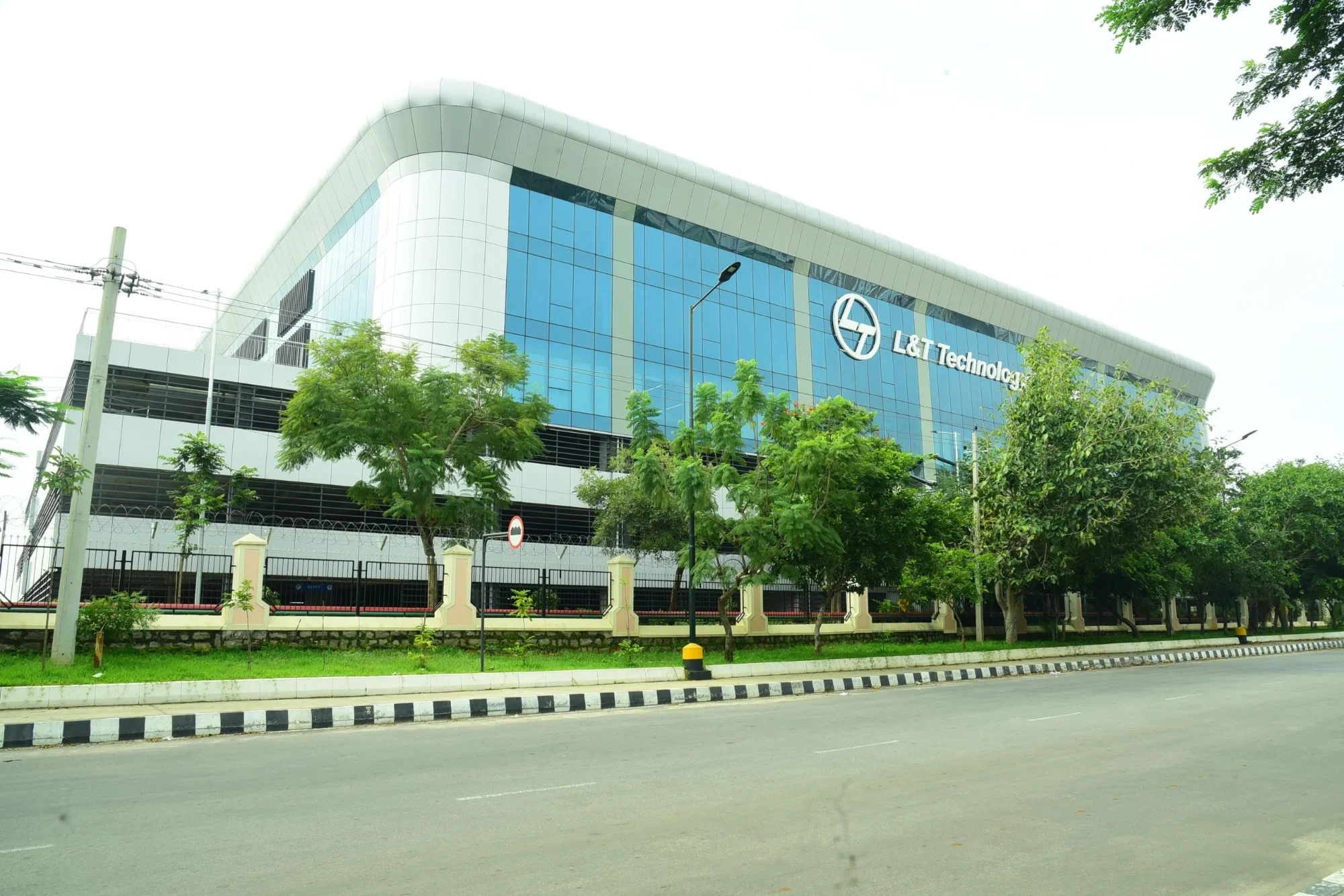
L&T Technology Services reported $317.1 million in Q2 FY27 revenue, up 4.8% year-over-year in constant currency. The company booked $203 million in total contract value from major deal wins, with over 50% powered by AI-led initiatives. Its EBIT margin rose 60 basis points sequentially to 16.3%. Annualised revenue from Engineering Intelligence solutions reached $120 million.
Flipkart-backed super.money tripled its operating revenue to Rs 292 crore in FY26, up from Rs 89 crore in FY25. Its net loss widened 78% to Rs 264 crore over the same period. Marketing spend of Rs 341 crore exceeded its entire operating revenue and made up about 61% of total expenditure. Its loan marketplace contributed nearly 85% of operating revenue.
Angel One and Zerodha are widening access to US equities as Indian retail investors seek global exposure beyond domestic stocks. The move puts cross-border investing into the mainstream offerings of Indian brokerages. Product teams in brokerage should expect cross-border onboarding, FX and tax-disclosure flows to become core features.
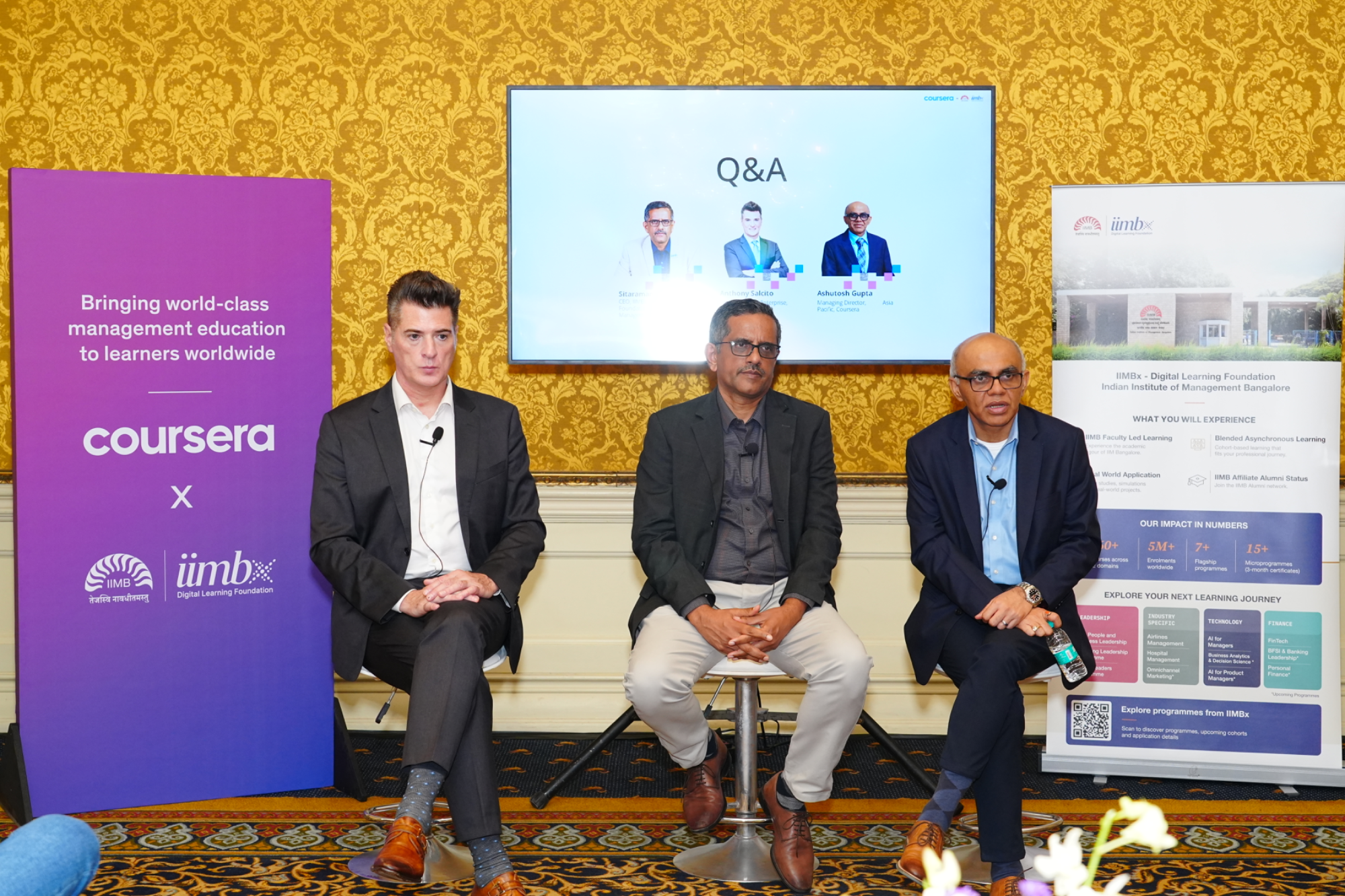
Coursera has launched Project Helix, an AI-native skills platform, in Bengaluru, with broad availability to enterprise customers expected in the first half of 2027. Managers can set business goals in natural language, and the platform generates personalised learning paths with hands-on skill assessments. Coursera also announced a partnership with IIMBx, bringing management programmes covering strategy, entrepreneurship and fintech to the platform over the coming months.
The FSSAI has warned food companies that failing to follow mandatory labelling norms for nutraceuticals and health supplements will invite action. The regulator's advisory covers required labelling and warning statements. Non-compliant companies face enforcement under the labelling rules.
India is building a sovereign-cloud policy, and MeitY has set up a committee to frame it. The debate centres on whether local data storage is enough without control over physical hardware, encryption and jurisdiction. Mint explains that a cloud is sovereign only when a country controls infrastructure, encryption keys, data access and the governing legal jurisdiction. Simply locating servers in India does not meet that standard.
Mobavenue processes more than 1.25 Bn data signals a day and delivered 42.72 Mn outcomes in FY26. Its founder and CTO Tejas Rathod says a high click rate cannot show whether a fintech user will complete KYC, and an app download does not promise a purchase. The company's Neural Engine links signals, intent and outcomes, learning from post-click behaviour to guide audience, bidding and budget decisions.

 Arjun’s TLDR
 Meera’s TLDR