Sarvam AI Joins India's Unicorn Club With $234M Series B — Product Growth, 2 August
The essential morning brief for Indian product builders — every number sourced and dated, every industry covered.
2 August 2026 · Product Growth Daily Brief · Presented by Arjun & Meera · Editorial standards
🎧 Listen to this edition — Arjun & Meera, 2 August 2026
Arjun & Meera · Today's brief
UPI hit 23.66 billion transactions in July—a 4% month-on-month bump that barely moved the needle. That's the problem. India's payment rails are mature now, which means the builders winning aren't the ones betting on raw volume anymore. They're the ones solving the next layer: recurring payments, bill aggregation, and checkout experience. If you're still chasing transaction count as your north star, you're already behind.
Meanwhile, Sarvam AI's $234 million Series B—pushing it into unicorn territory—sends a different signal entirely. The thesis isn't "build the next LLM." It's "build useful products with AI-first workflows." YourStory's VibeCode30 list is basically codifying this: they're hunting for 30 teams actually shipping AI-native tools, not vaporware. The gap between raising capital and shipping real products has become the real moat. Coldcard's $38 million hardware wallet exploit in 25 minutes is a reminder of what happens when you don't.
On the exits side, the mood is cautious. Zepto pausing its IPO and planning a pre-IPO fundraise before refiling in 2-3 quarters tells you that scale isn't enough anymore—unit economics and path to profitability are back in vogue. Cloudnine's ₹11,000 crore valuation with TPG and Permira circling shows healthtech is still raising, but on tighter terms. Imarticus Learning's ₹800 crore play for Bells Institute is a reminder that consolidation beats growth-at-all-costs when the fundraising window narrows.
Watch for Zepto's pre-IPO round terms this week—that number will tell you exactly how much the market has repriced Indian tech.
UPI transaction volume climbed 4% to 23.66 billion in July from 22.72 billion in June, per Inc42. Builders in recurring payments and bill aggregation should note momentum; the scale is now large enough to sustain niche payment use cases at unit economics.
Sarvam AI secured $234 million in its Series B (part of a $300 million round), reaching unicorn status in June. For Indian AI builders, this validates the thesis that frontier models and language tech attract capital; focus your narrative on inference efficiency and India-specific language coverage rather than competing on base model scale.
At TechSparks 2026, YourStory unveiled VibeCode30 to identify 30 individuals and teams building useful, working products using AI-first tools and workflows. Builders: this signals accelerated market expectation that AI-native is table stakes; non-AI-first workflows now feel legacy.
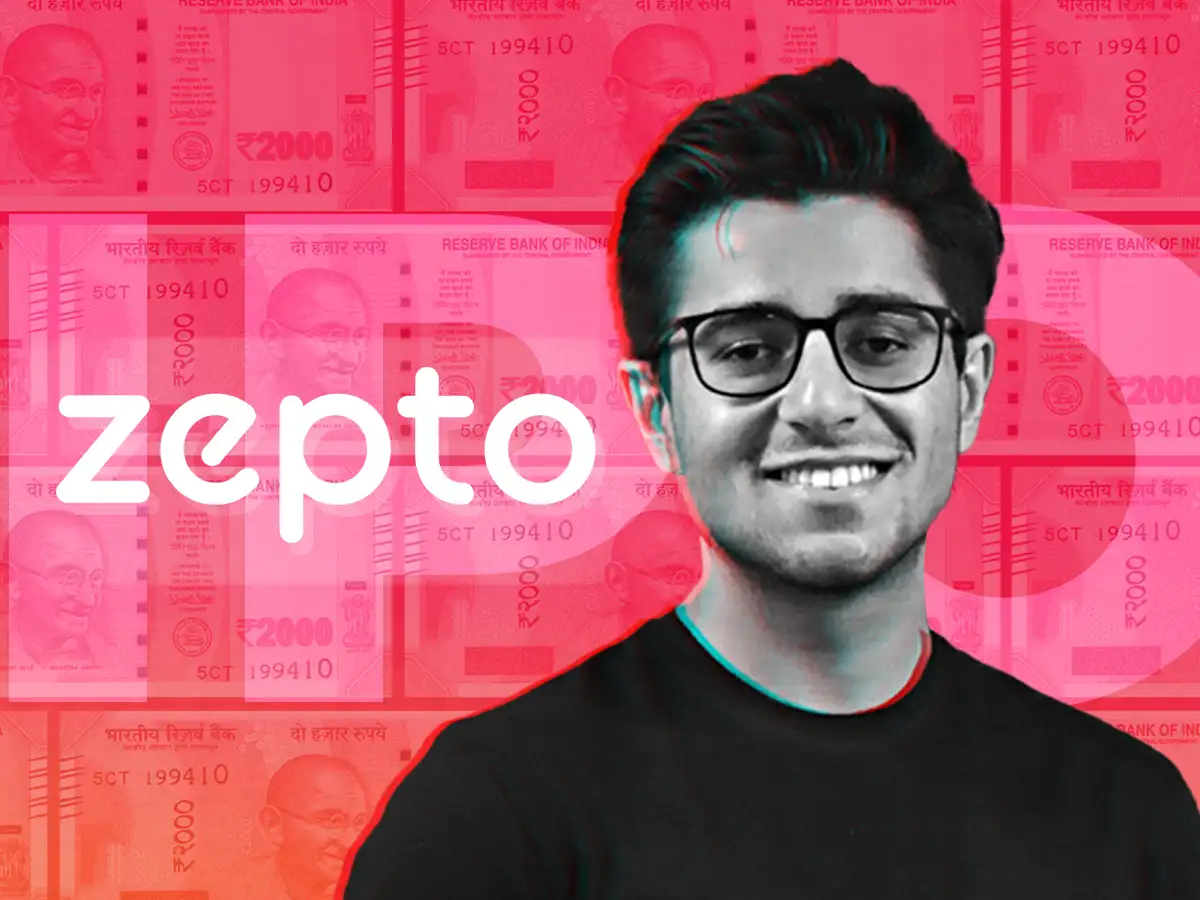
Zepto officially confirmed its IPO pause after months of valuation negotiations and investor pushback, planning to refile draft papers after two to three quarters and raise capital before listing. Builders in quick-commerce and hyperlocal logistics should read this as a market signal: unit economics and path to profitability now trump headline GMV; investors want proof of sustainable unit pull-through.
Imarticus Learning acquired Singapore-based Bells Institute for ₹800 crore, creating a combined entity with 1,100+ employees operating across 25+ offices in India and Singapore. For edtech builders, this signals cross-border consolidation is accelerating; scale and geography (not just content) are now defensible moats in higher education.
WhatsApp is piloting a feature to move large business messages into a separate "Offers & Updates" folder, aiming to declutter user inboxes while keeping promotional content accessible. For consumer apps and brands, this signals messaging platforms are re-architecting for *signal-to-noise*; newsletters and transactional clarity matter more than reach.
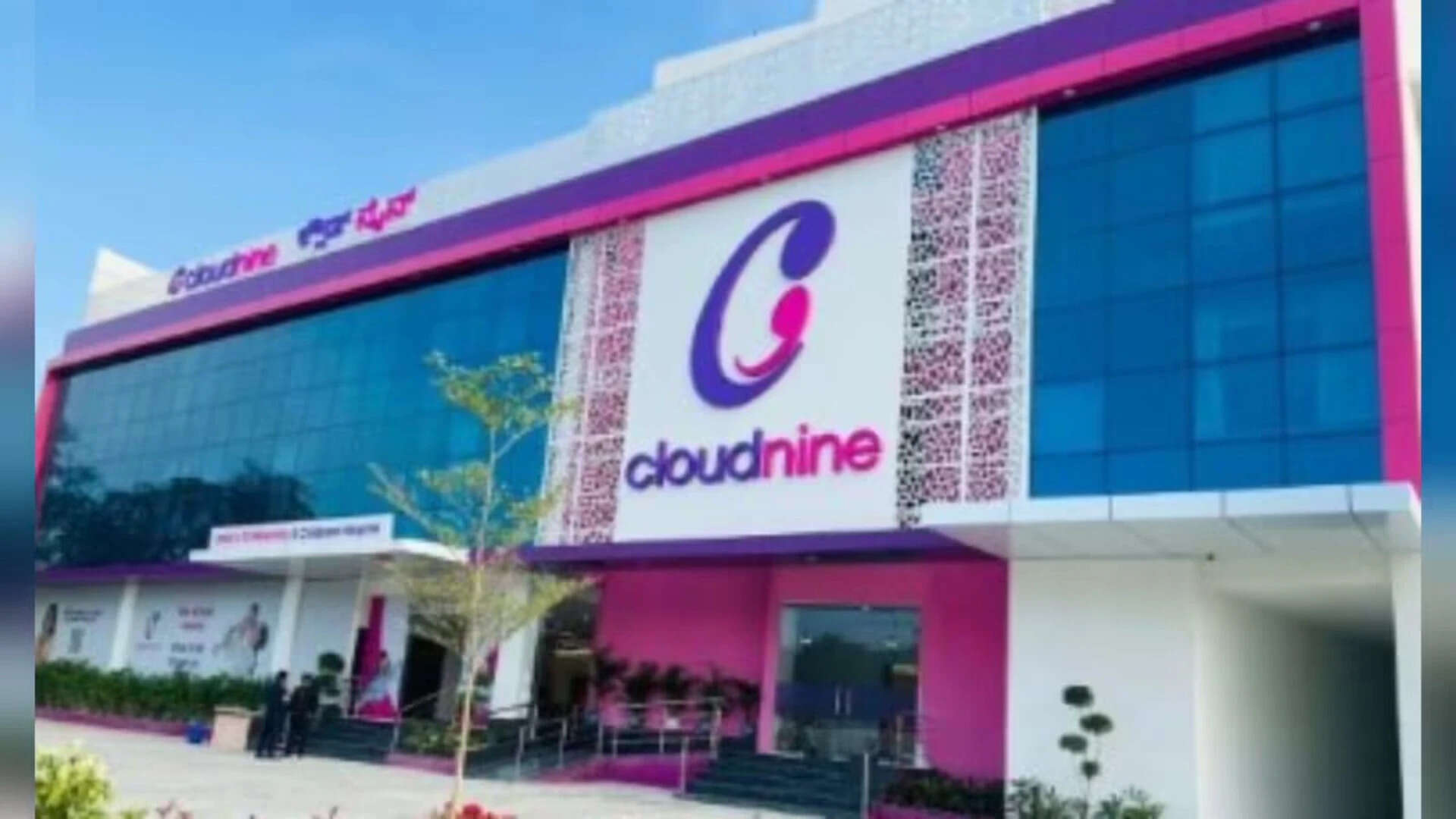
TPG Capital and Permira emerged as frontrunners for a significant minority stake in Cloudnine, with binding bids expected and the deal valuing India's largest maternity and pediatric hospital chain at approximately ₹11,000 crore. For healthtech entrepreneurs, this signals large PE interest in specialised verticals with recurring revenue (pediatric and maternal care); differentiated clinical outcomes data is now a valuation lever.
South Korea's semiconductor exports jumped 179% in July, driven by sustained strong external demand for AI chips and related applications; computer sales also accelerated. For Indian chip design and fabless startups, this confirms the global capex cycle around AI semiconductors remains robust; compete on software tooling and domain specialisation, not raw silicon commodity competition.
Electric two-wheeler registrations fell 1.7% month-on-month to 1.91 lakh units in July from 1.94 lakh in June, though TVS Motor grew 10% against the trend. For energy-mobility founders, this signals market consolidation around brand-backed players with service networks; startups without OEM backing or distribution scale are losing share.
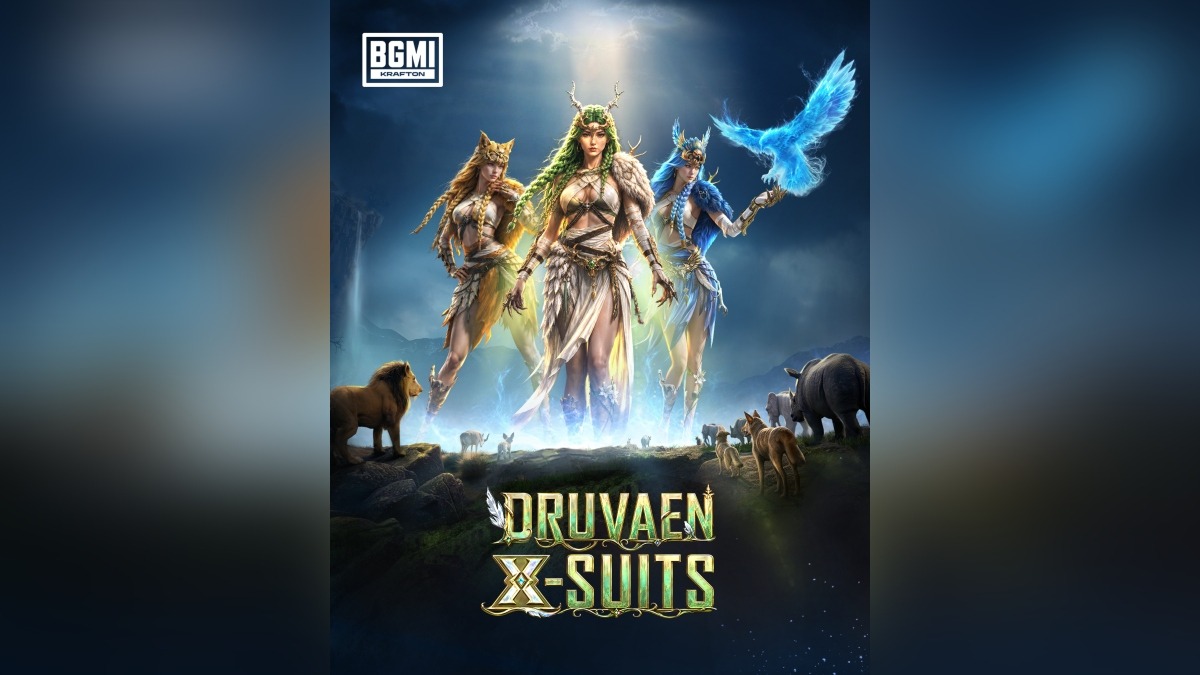
Krafton India released the new Druvaen X-Suit collection for BGMI, introducing three 7-Star X-Suits and a gameplay-based progression system enabling players to earn cosmetics. For game monetisation teams, this signals a shift from battle pass+loot scarcity to merit-based cosmetics; retention loops now reward skill and playtime, not just spending.
A flaw in Coldcard hardware wallets' key generation process enabled theft of 584 Bitcoin (~$38 million) from 500 wallets in 25 minutes, per security researchers. Web3 builders should note: hardware wallet security is table stakes; key derivation flaws are existential and spread reputationally across ecosystems. Audit cryptography ruthlessly before release.

 Arjun’s TLDR
 Meera’s TLDR