🎧 Listen to this edition — Arjun & Meera, 5 September 2026
Arjun & Meera · Today's brief
WhatsApp just went live with bill payments across 22,700+ billers in India—electricity, gas, water, FASTag, insurance. This matters because the world's messaging app is now a utility bill platform, and it's happening inside the app 2.2 billion people already open daily. For builders, this is the moment to watch how the largest incumbent in payments reshapes customer expectations around friction. Users won't tolerate slow checkout anywhere else after this.
The timing reveals a pattern: WhatsApp's move lands as Ultrahuman raises $70M for wearable health intelligence and Ola Electric opens dealer stores to build last-mile distribution. These aren't disconnected moves. They're all about embedding services into existing trust networks—messaging, body sensors, neighborhood touchpoints. Meanwhile, ISRO's EOS-05 satellite launch signals India's push toward sovereign data infrastructure, which deeptech builders will increasingly need to navigate. The regulatory tailwind is real; the complexity is mounting.
But here's the friction: NoPaperForms filing a ₹375Cr+ IPO and PhysicsWallah hitting ₹200 price targets sit next to Sugar Cosmetics taking an 80% valuation haircut. D2C is facing a reset. Meanwhile, insurance leaders are begging IRDAI for regulatory stability, not more change—a stark warning that policy whiplash destroys unit economics faster than any market shift. Builders in regulated spaces are exhausted. The ones winning now are those who move faster than the rules can catch up.
Watch this week: how merchants and billers actually adopt WhatsApp's BBPS infrastructure, and whether the 22,700-biller network proves it's friction that kills adoption, not feature parity. That'll tell you everything about your own distribution problem.
WhatsApp is rolling out Bill Payments via Bharat Connect (BBPS) to Android and iOS users in India, enabling payment of electricity, gas, water, FASTag, insurance, credit card and loan bills directly within the app. Builders in fintech and payments should expect WhatsApp to become a primary distribution channel for bill payments and watch for faster consolidation of small standalone bill-pay apps.
Nvidia CEO Jensen Huang confirmed the acquisition of Hugging Face, which hosts 3+ million models, 500,000+ datasets, and 1+ million applications used by over 18 million developers, per The Hindu. This signals that model distribution and community infrastructure are now strategic assets—builders should expect Nvidia to tighten the stack and watch for shifts in open-model economics.
SaaS startup Meritto's parent company NoPaperForms has filed its updated draft red herring prospectus (UDRHP) with SEBI for a ₹375 Cr+ IPO, per Inc42. Builders should watch the IPO prospectus for unit economics and customer concentration—this will set benchmarks for SaaS maturity in India and likely trigger a wave of unlisted SaaS exits.
D2C beauty brand Sugar Cosmetics raised ₹144.47 Cr from existing investor A91 Partners at a near 80% valuation discount, with early investors seeking steep exits, per Inc42. This marks a definitive reset in D2C valuations—builders in consumer should expect down-rounds, extended fundraising timelines, and a shift from growth-at-all-costs to unit economics as survival criteria.
PhysicsWallah shares rose 5% in intraday trading to ₹126.55 after Motilal Oswal set a ₹200 price target, per Inc42. This signals analyst confidence in edtech consolidation—profitable, high-engagement platforms are being repriced upward. Builders should expect public edtech companies to be valued on profitability and engagement metrics, not just subscriber growth.
Health intelligence startup Ultrahuman raised $70 Mn for expansion in sensing, AI, miniaturized electronics, and health algorithms, per YourStory. This marks a shift: wearables are becoming health platforms. Builders in health should expect Ultrahuman to layer clinical science, partnerships with providers, and insurance integrations—watch for consolidation around wearable data ownership.
Industry leaders including ICICI Prudential's Nilesh Sathe warned that repeated regulatory changes spanning surrender value norms, expense rules, governance, IND AS transition, and upcoming commission regulations are causing "reform fatigue," per ET BFSI. Insurtech builders should expect incumbents to focus on compliance and integration rather than innovation—this is a consolidation window, not a greenfield opportunity window.
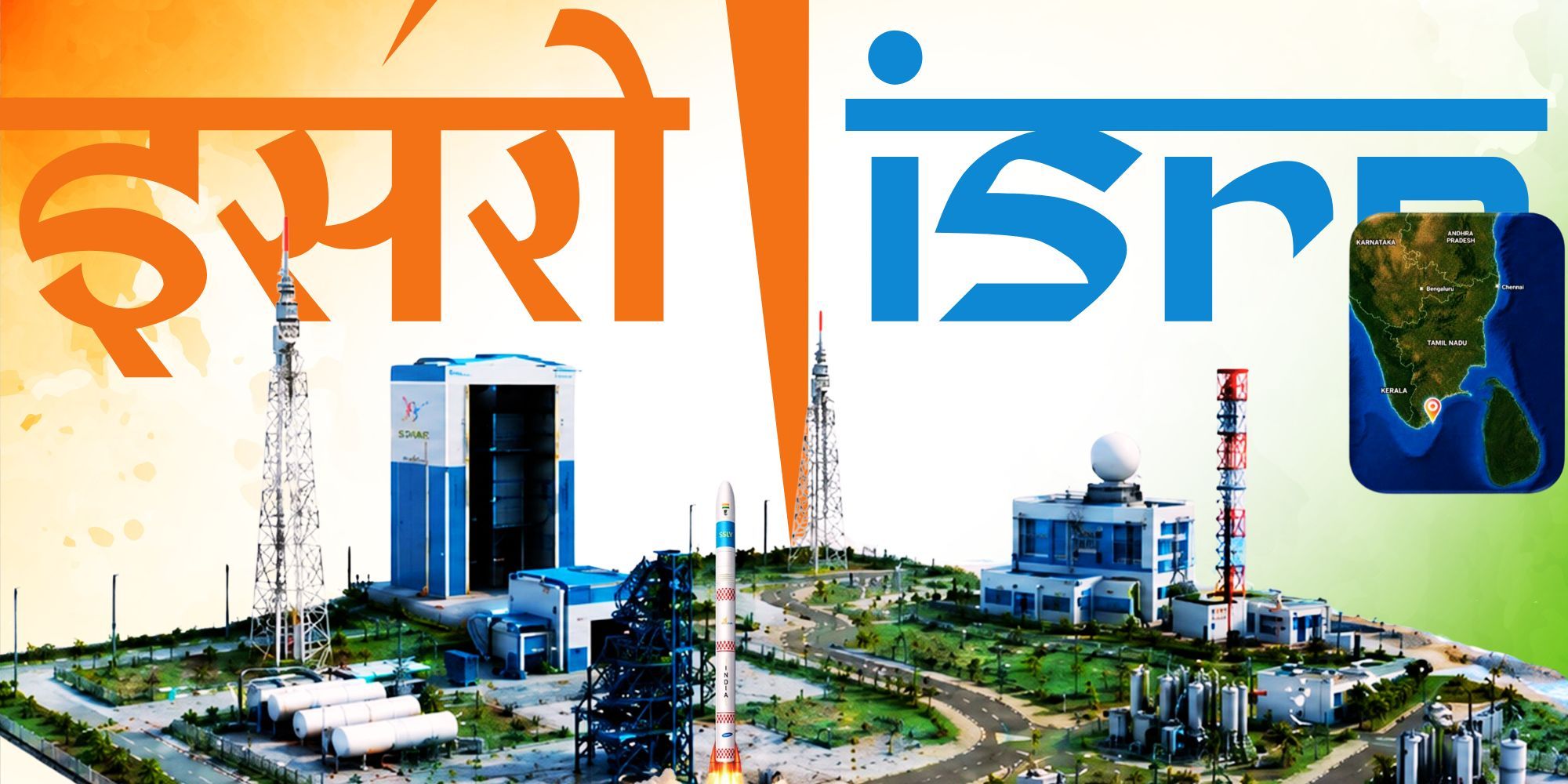
ISRO successfully placed the EOS-05 satellite in its intended sub-geosynchronous transfer orbit approximately 18 minutes after liftoff, per YourStory. Builders in earth observation, climate monitoring, and precision agriculture should track ISRO's satellite cadence—public satellite infrastructure is enabling a wave of downstream applications. Expect partnerships and data licensing opportunities over the next 12–24 months.
Electric two-wheeler maker Ola Electric opened its first dealer-operated stores across India, less than a month after announcing the shift from direct-to-consumer to franchised retail, per Inc42. This signals Ola is pivoting from high-burn D2C to a franchised dealer model for unit economics—builders in EV should watch for how franchise networks scale faster than company-owned retail but dilute brand control.
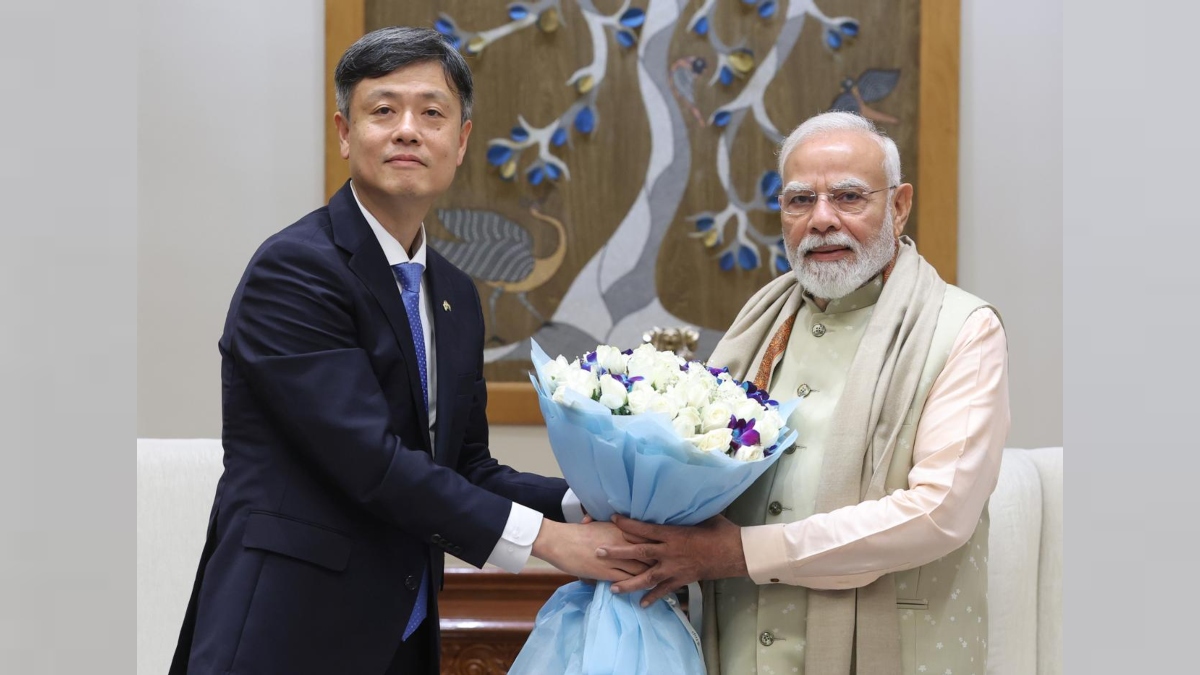
KRAFTON chairman Byung Gyu Chang met Indian PM Narendra Modi to reaffirm the company's long-term India investment commitment, per AnimationXpress. This reflects KRAFTON's $250 Mn bet on Indian AI and deeptech—gaming companies are repositioning as infrastructure investors. Builders in gaming and adjacent sectors should expect tighter partnerships with global gaming studios and deeper integration into geopolitical tech ecosystems.

 Arjun’s TLDR
 Meera’s TLDR