🎧 Listen to this edition — Arjun & Meera, 10 September 2026
Arjun & Meera · Today's brief
PhonePe's UAE licence marks the first real crack in India's fintech fortress—and it signals what Indian builders should expect from global expansion now. Sameer Nigam's announcement at Global Fintech Festival 2026 isn't just a geographic win; it's proof that Indian fintech has matured enough to export, not just dominate domestically. But here's what matters: this move lands exactly when regulators are tightening the screws. India just ordered 15 offshore crypto platforms shut for AML non-compliance, signalling that global play now demands fortress-grade compliance infrastructure, not scrappy growth hacks. If you're thinking international, compliance isn't a checkbox—it's your competitive moat.
The infrastructure story getting quietly built underneath tells you why timing matters. KAS and Vigyanlabs are pushing sovereign, distributed AI compute closer to enterprises, while QNu Labs just raised ₹200 crore in quantum-hardened cybersecurity. These aren't vanity projects—they're the nervous system for the next wave of Indian tech exports. You can't scale fintech or healthtech globally without trustworthy compute at home first. Apple Watch Series 12's new Health Sensing System meanwhile shows that consumer health data is about to get infinitely more granular, and India's healthcare system—preparing for its elderly population to double by 2050—will need every advantage it can get.
Watch how the infrastructure and commerce layers converge this quarter. Flipkart testing Eat In food delivery, Carrum Mobility raising $10M on Uber's lead—these are established players hedging into new verticals precisely because they've built the unit economics and operational DNA to do it profitably. The winners won't be the startups chasing categories; they'll be the ones who've cracked distribution and compliance simultaneously.
Your move: if you're pre-Series A and thinking export-ready, audit your compliance stack now, not after traction. Global is no longer a Phase 3 problem.
PhonePe has received a licence from the Central Bank of UAE and will operationalise it soon, founder Sameer Nigam announced at Global Fintech Festival 2026. Builders watching payment flows: this is the template—regulatory clarity first, then scale. Watch how a ₹5B+ fintech ports its playbook across borders.
KAS and Vigyanlabs are betting that sovereign, energy-efficient AI infrastructure—data-centre-in-a-box models—can deliver high-performance compute closer to organisations. For AI builders: if data sovereignty + cost efficiency are your constraints, distributed infra is becoming competitive with centralised cloud; plan your model deployment strategy around edge-first architectures.
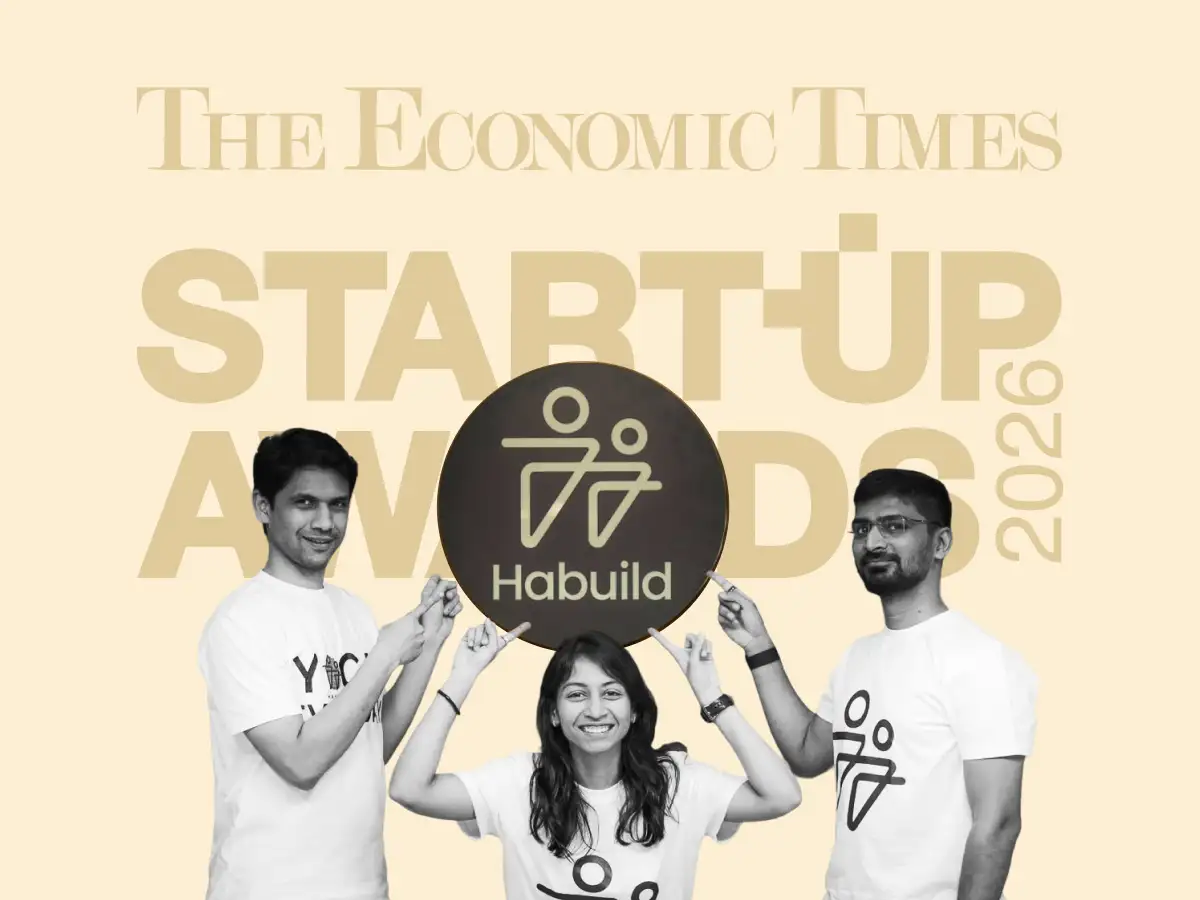
Habuild, winner of ET Startup Awards 2026 Bootstrap Champ title, built a profitable digital wellness business driven by repeat subscriptions; it started with free yoga during Covid and is now expanding into strength training and nutrition. For SaaS builders: habit formation + subscription stacking is the playbook—Habuild proves wellness cohorts are loyal enough to layer offerings without churn.
Flipkart started employee testing of Eat In food delivery service in Bengaluru, signalling a push into food delivery dominated by Zomato and Swiggy. This is category expansion from logistics into consumer transactions; builders should watch whether marketplace gravity (trust, payment infra, logistics) can overcome category-specific moats in food.
India's elderly population (currently 16–17 crore) is set to double over the next 20–22 years, prompting government focus on scaling healthcare and caregiving services. For consumer builders: ageing demographics unlock massive TAM in home care, telemedicine for seniors, and digital health literacy; early movers in geriatric-focused products will face less competition than general consumer apps.
Apple launched the Apple Watch Series 12 with a new Health Sensing System, S11 chip, improved heart rate measurements, readiness score, 24-hour battery, and redesigned Health app with personalised insights. For healthtech builders: Apple's moving from wearable to health platform—they now own data, insights, and habit loops. Builders should assume wearables become commodity inputs to health platforms, not standalone businesses.
QNu Labs raised ₹200 crore in Series A1 funding co-led by National Quantum Mission and Speciale Invest, with participation from Sony Innovation Fund, Gaja Capital, and Artha Ventures. For deeptech builders: when government quantum missions back your Series A, it signals state-level infrastructure investment; QNu is now playing defence infrastructure, not enterprise cybersecurity—expect longer sales cycles but institutional moats.
Carrum Mobility, a B2B fleet management platform, raised $10 million (₹96 crore) in Series B funding led by Uber—Uber's second investment in the company following a $7 million investment in January 2025. For mobility builders: Uber backing fleet software signals that ride-hailing profitability depends on fleet optimisation; builders in vehicle management, routing, or driver logistics should target Uber's supply side, not consumer last-mile.
India ordered the shutdown of 15 offshore cryptocurrency platforms operating without FIU-IND registration and failing to comply with Prevention of Money Laundering Act (PMLA) requirements. For crypto builders: enforcement is real and offshore-first strategies don't work; builders must register with FIU-IND and embed AML workflows from day one—expect more takedowns if you ignore Indian compliance requirements.
 Arjun’s TLDR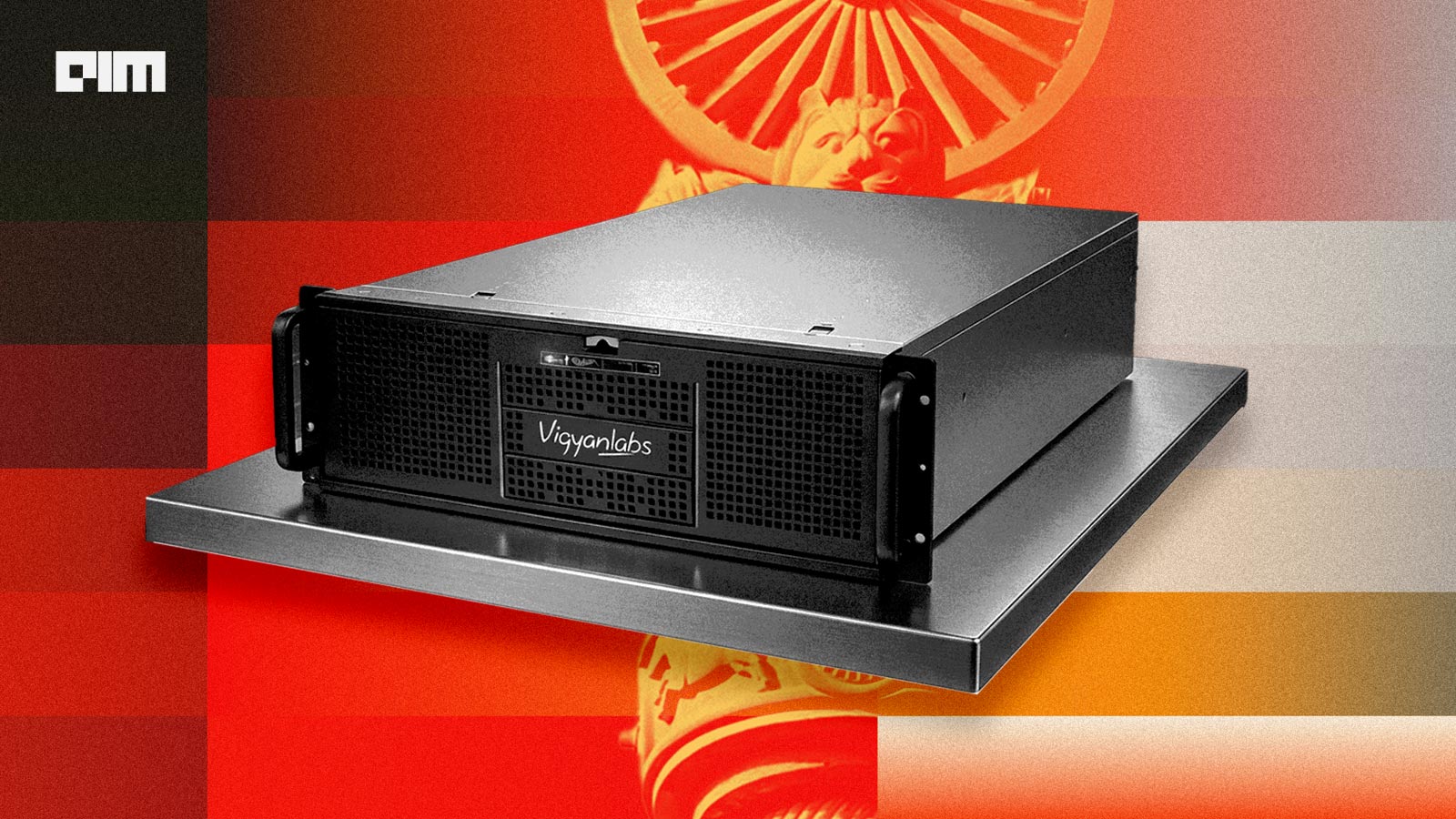
 Meera’s TLDR