Ola Electric seeks board approval for major rights issue fundraise — Product Growth, 24 September
The essential morning brief for Indian product builders — every number sourced and dated, every industry covered.
24 September 2026 · Product Growth Daily Brief · Presented by Arjun & Meera · Editorial standards
🎧 Listen to this edition — Arjun & Meera, 24 September 2026
Arjun & Meera · Today's brief
Ultraviolette's $85 million Series E raise is a signal that Indian deeptech builders can now fund global ambitions from home. The EV maker's move toward US entry in 2027—backed by specialist fund Yali Capital—matters because it proves the venture infrastructure for hard tech is maturing. But watch what happens next: this is the moment when Indian founders stop thinking "India first, export later" and start building for planet-scale from day one.
That mindset shift is already rippling across verticals. ByteAsk's $1 million from Y Combinator for AI coding agents in defence and aerospace shows niche, high-stakes verticals are now attracting both global VCs and builder focus. Meanwhile, Navana.ai's Bodhi TTS undercuts Sarvam on pricing while hitting sub-100ms latency—exactly the kind of competition that forces incumbents to move faster. And Zoho's Zia Chat, which ties data across systems with token-efficient AI, is how SaaS platforms stop being feature factories and start being infrastructure. The through-line: Indian builders are moving upstream, solving for performance and cost simultaneously.
The friction points are sharpening too. Blink Digital's ₹1,000 crore suit against Meta exposes a brutal reality—advertisers have zero leverage when platforms disable accounts without recourse. Ola Electric's push for a rights issue after its QIP signals capital intensity is eating margin faster than early gains can cover. And FSSAI's penalties against Amazon, Flipkart, and Instamart prove that at scale, regulatory debt compounds faster than product debt. The lesson for builders: compliance isn't a back-office function anymore; it's a go-to-market risk.
Watch what Ultraviolette's Series E actually delivers on US regulatory approval this quarter—that timing will tell you whether Indian deeptech can clear foreign hurdles or gets stuck in approval theatre.
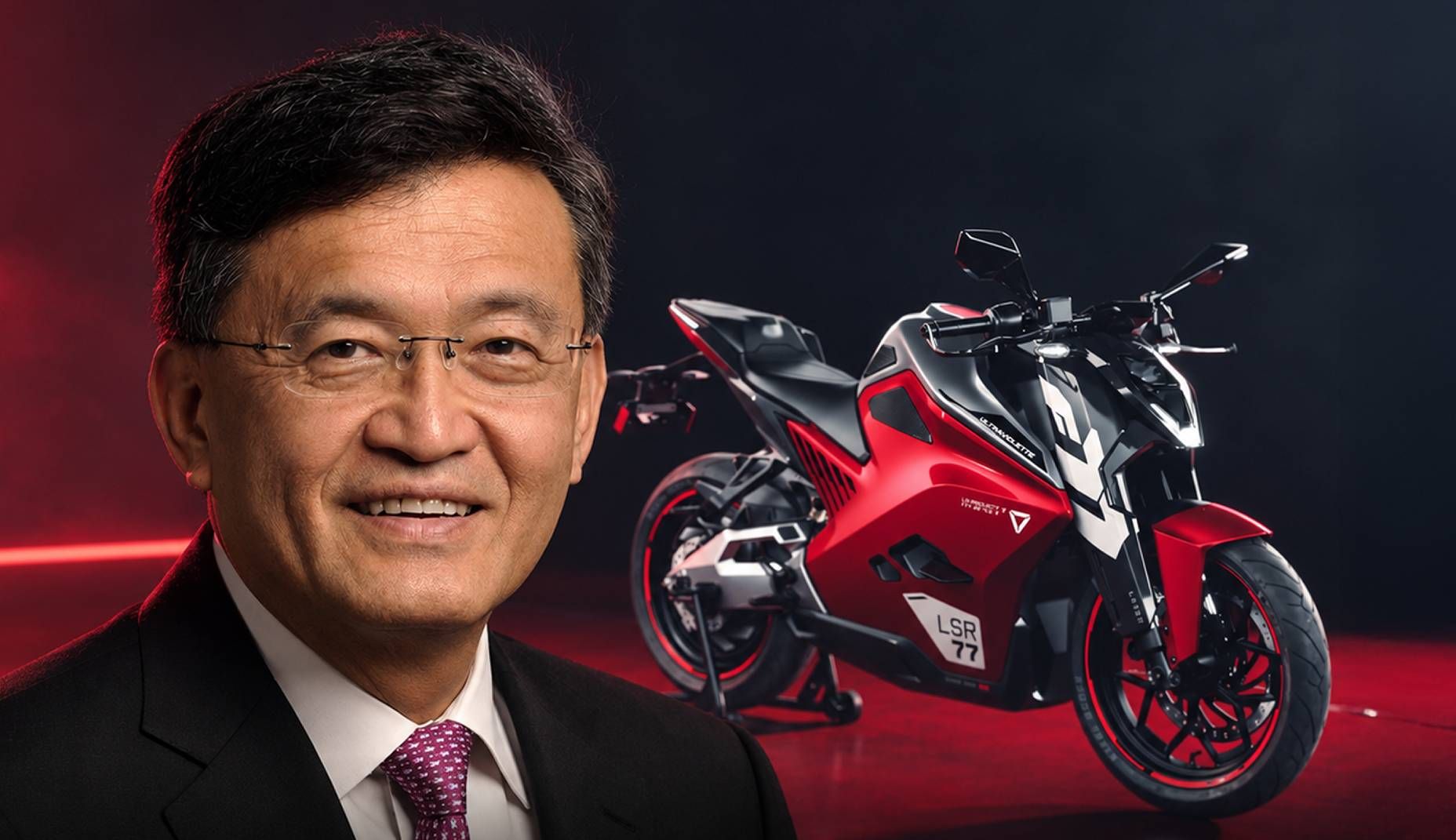
EV company Ultraviolette raised $85 million in Series E led by deeptech fund Yali Capital, planning US market entry in 2027 alongside expansion in Latin America and South-East Asia. Deeptech capital is flowing toward hard tech founders with clear path-to-scale; builders should expect investor scrutiny on unit economics, supply-chain resilience, and regulatory timelines in target markets.
AI coding startup ByteAsk raised $1 million from Y Combinator and Entrepreneur First to build coding agents for C and C++ developers in defence, aerospace, robotics, high-frequency trading, automotive, and semiconductors. Vertical AI agents with safety, audit, and domain expertise are now fundable; builders in regulated industries should prioritize explainability and compliance certifications over model raw capability.
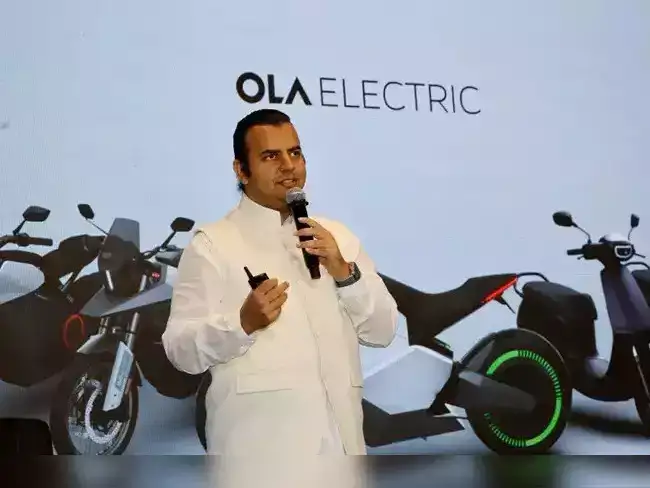
Ola Electric is considering a rights issue to raise fresh capital, weeks after the board approved plans to raise up to ₹1,500 crore through equity and other securities. Capital-intensive EV builders are in constant fundraising mode to fund manufacturing expansion and inventory; builders should expect continued dilution and pressure on unit economics as cash burn remains high across the EV sector.
Advertising agency Blink Digital India sued Meta and Facebook India for account disablement and lost ad spend. This highlights recurring platform risk: advertisers have limited recourse when accounts are suspended. Builders relying on Meta or Google ad platforms should diversify traffic sources and maintain direct customer relationships to reduce single-platform dependency.
Bodhi TTS offers sub-100ms response times, instant voice cloning, and fine-grained pronunciation control at a 60% discount to Sarvam's pricing. Builders relying on proprietary TTS should expect margin pressure; the race to commoditize voice synthesis is creating a floor price that favors high-volume, low-margin use cases (IVR, customer service automation).
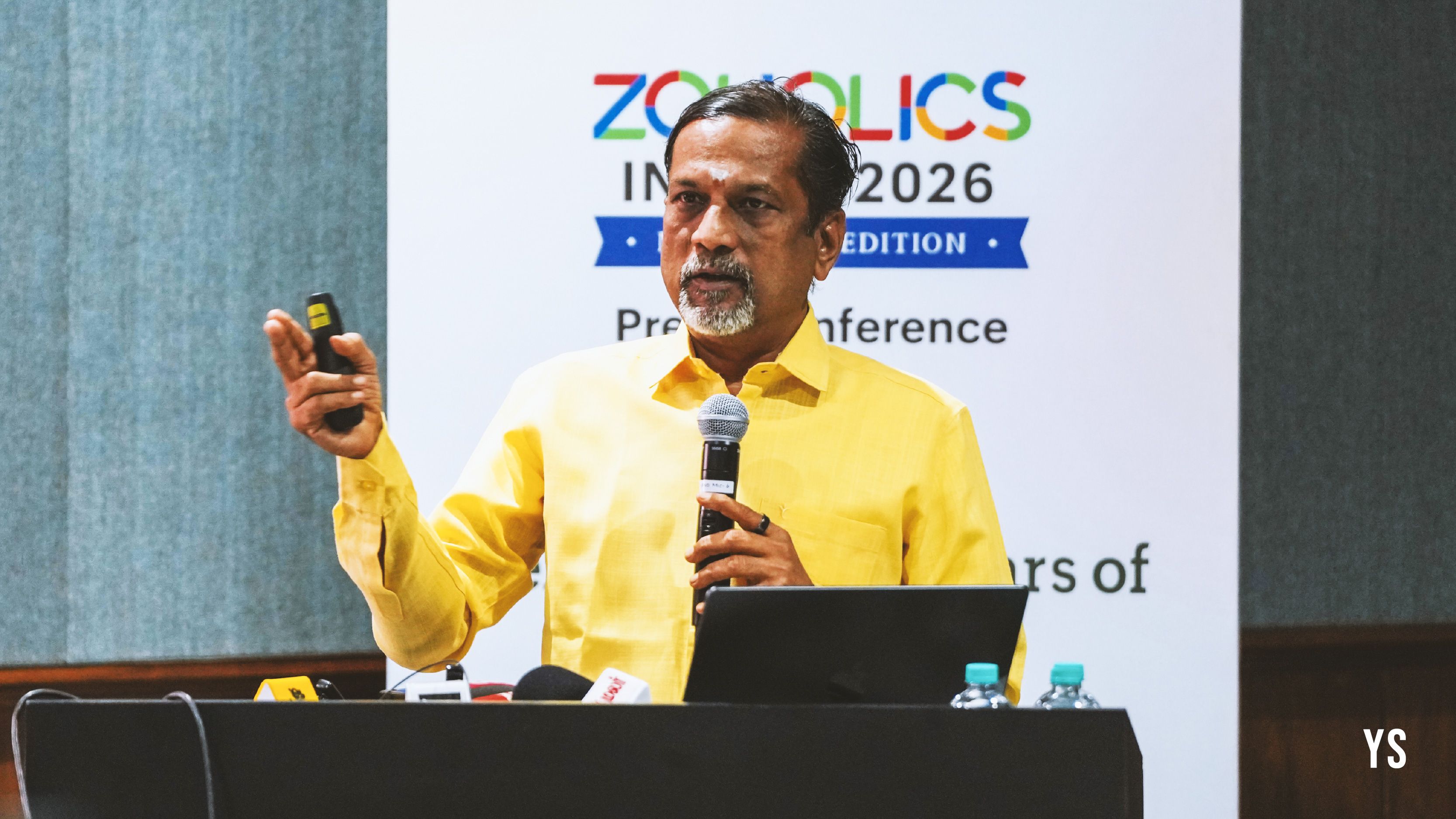
Zoho launched Zia Chat, a conversational AI interface that unifies data across systems while optimizing token efficiency to keep costs affordable. Builders should expect enterprise SaaS to shift from point AI assistants (e.g., draft-only tools) to full-stack reasoning agents that sit atop existing data layers; whoever owns the unified interface owns the next layer of customer lock-in.
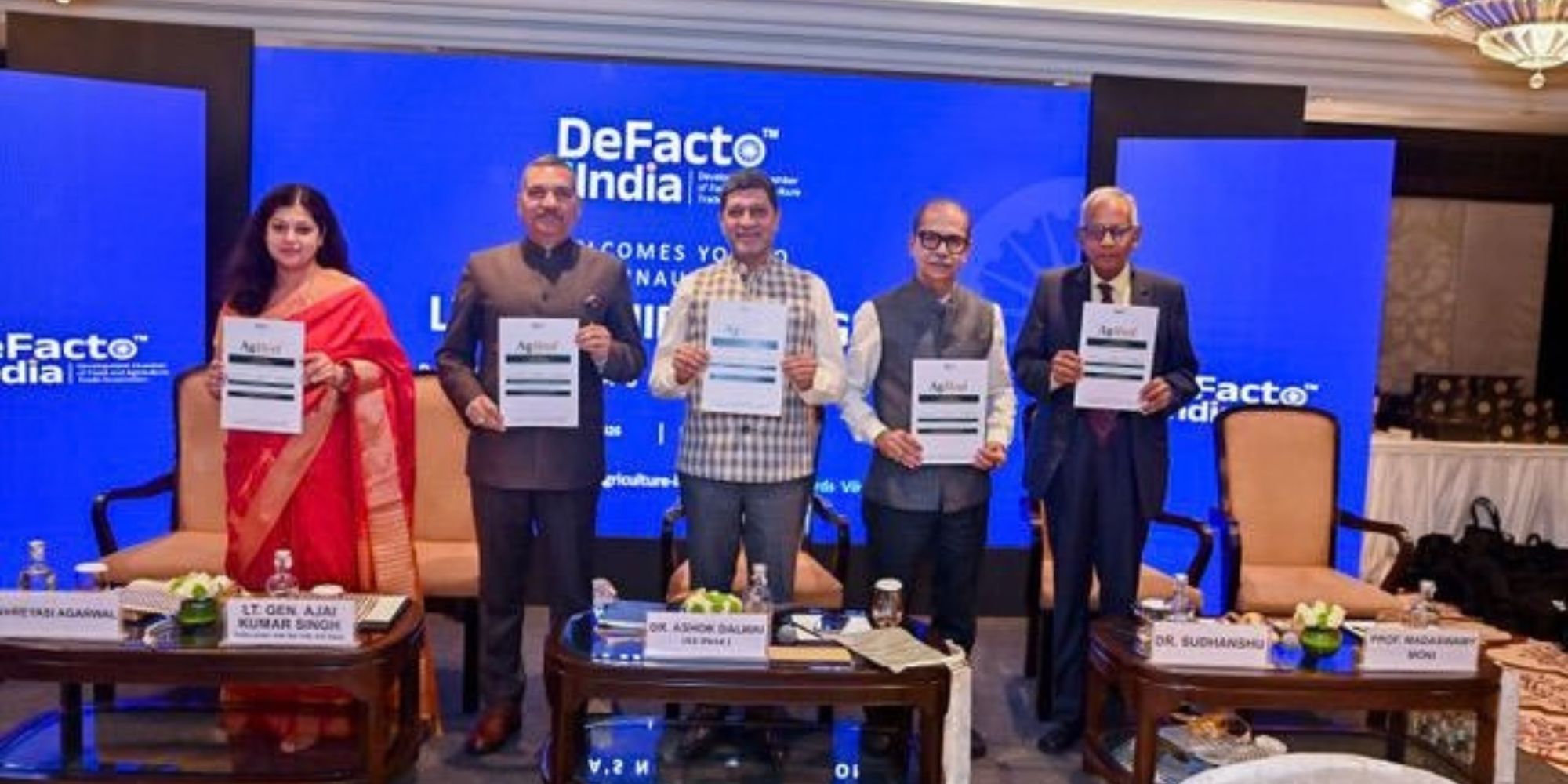
DeFacto India launched AgHeal to connect farmer economic outcomes with nutrition and public health through a national platform. Builders should explore agriculture-health linkages as an emerging vertical; governments and multilaterals fund these interventions, creating alternative revenue paths beyond direct consumer monetization.
The Food Safety and Standards Authority of India issued penal action against quick commerce and ecommerce platforms for regulatory violations. Ecommerce and quick-commerce builders should tighten compliance audits for food, FMCG, and health categories now; fines are accelerating as FSSAI ramps enforcement post-pandemic.
PhysicsWallah signed a five-year partnership with Mohan Bahu University to provide online AI, skilling, and career-focused courses to ~18,000 students. Founder Alakh Pandey is relocating to South India. EdTech builders should explore institutional partnerships as a path to scale without heavy acquisition spend; university tie-ups provide both legitimacy and bulk student onboarding.
 Arjun’s TLDR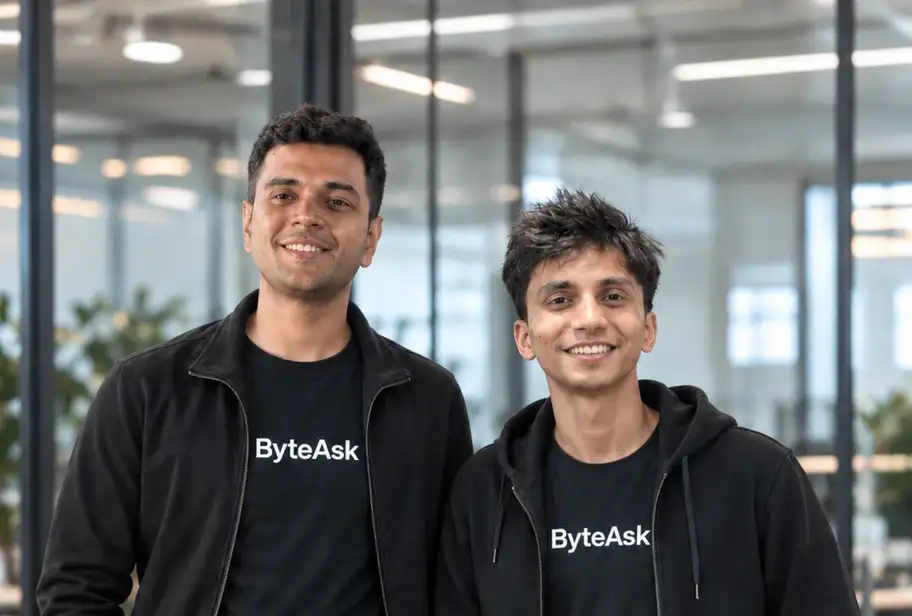
 Meera’s TLDR