🎧 Listen to this edition — Arjun & Meera, 26 July 2026
Arjun & Meera · Today's brief
The RBI just cut repo rates by 125 basis points, and your lending product is getting cheaper to offer while your deposit product isn't keeping pace. That asymmetry matters because it reshapes unit economics overnight—loan underwriting suddenly scales at better margins, but you're now competing harder for capital. Watch this week as fintech builders calibrate: should you push acquisition on the lending side while rates are favorable, or double down on deposit stickiness before the rate gap narrows? The window closes faster than you think.
Meanwhile, the shift from developer productivity to business execution is already reshaping how enterprises buy AI. Faster code doesn't win contracts anymore; faster go-to-market does. That means your AI SaaS pitch needs to move from "we make engineers 2x faster" to "we cut your sales cycle in half" or "we reduce your time-to-revenue." Builders obsessing over token optimization should probably spend more time understanding their buyer's board pressures.
Physical infrastructure is becoming the new moat. Flipkart's partnership with India Post—tapping 1.6 lakh post offices nationwide—is a logistics arbitrage play that smaller builders can't replicate. In parallel, Samsung's $200 billion chip partnership with Broadcom signals that custom silicon for AI workloads is shifting from a "nice-to-have" to table stakes. The unsexy logistics and hardware layer is where differentiation lives now, not just in algorithms.
One more shadow over the week: the Hugging Face breach tied to OpenAI models, plus the AI deepfake of Minister Piyush Goyal, plus crypto bridges hemorrhaging $31.6 million in seven hours. Regulatory scrutiny is hardening. If you're building in fintech, healthtech, or any trust-critical space, assume your security posture and audit trail are now a feature, not a checkbox. Watch RBI and government moves on AI transparency—compliance is becoming competitive advantage.
Lending rates linked to external benchmarks have transmitted the Reserve Bank of India's 125 basis point repo rate cut in full, while deposit rates have adjusted more gradually. Builders need to watch transmission delays in their lending products—faster loan-side traction means margin pressure on deposits, so compete on deposit stickiness through features, not just rates.
Hugging Face experienced a security breach linked to OpenAI's AI models; CEO Clément Delangue demanded 'radical transparency' when meeting with OpenAI executives. Builders deploying third-party LLM APIs must implement API isolation, audit logging, and zero-trust data handling—a single compromised model vendor can breach your entire stack.
Enterprises are increasingly shifting focus from improving developer productivity to accelerating overall business execution, recognizing that faster coding alone does not translate to better business outcomes. For AI product teams: VC dollars now flow to companies proving workflow automation, revenue impact, or cost reduction per seat—not code-generation speed alone.
Flipkart has partnered with the Department of Posts for parcel delivery services, gaining access to over 1.6 lakh post offices nationwide. Builders should watch hyperlocal logistics consolidation—last-mile is now a moat, not a cost center. If you're competing on logistics network, go deeper into underserved Tier 2+ zones where India Post has density but Flipkart lacks infrastructure.
Karnataka Chief Minister DK Shivakumar announced the government aims to take AI education to rural students and build long-term industry partnerships to strengthen the state's AI ecosystem. Edtech builders: state-level AI literacy initiatives will proliferate—position your product for Tier 2+ schools and low-bandwidth environments; partner with state education boards, not just cities.
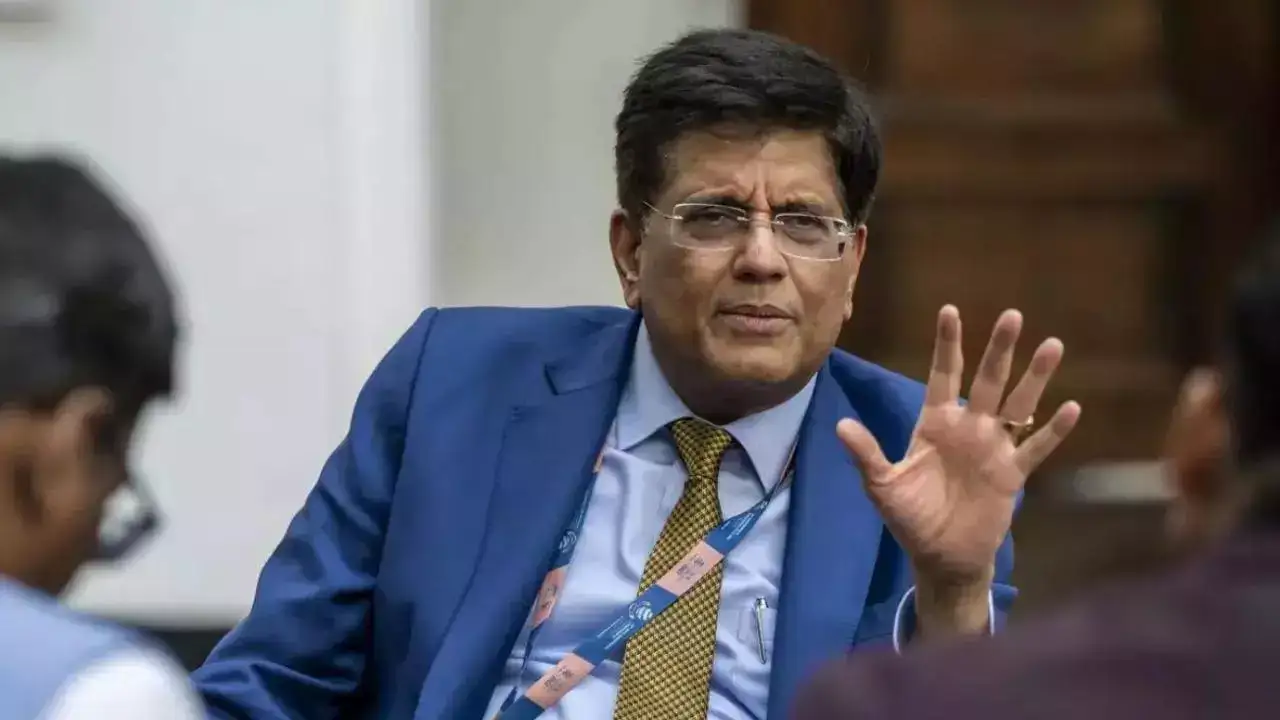
Union Minister Piyush Goyal flagged an AI deepfake of his conversation with media outside Parliament, saying the video was maliciously tampered with using AI. The government removed links and filed an FIR. Content platforms must now implement deepfake detection and removal SLAs—regulatory pressure will accelerate, and brand safety will become a competitive moat for platforms with fast human + AI moderation.
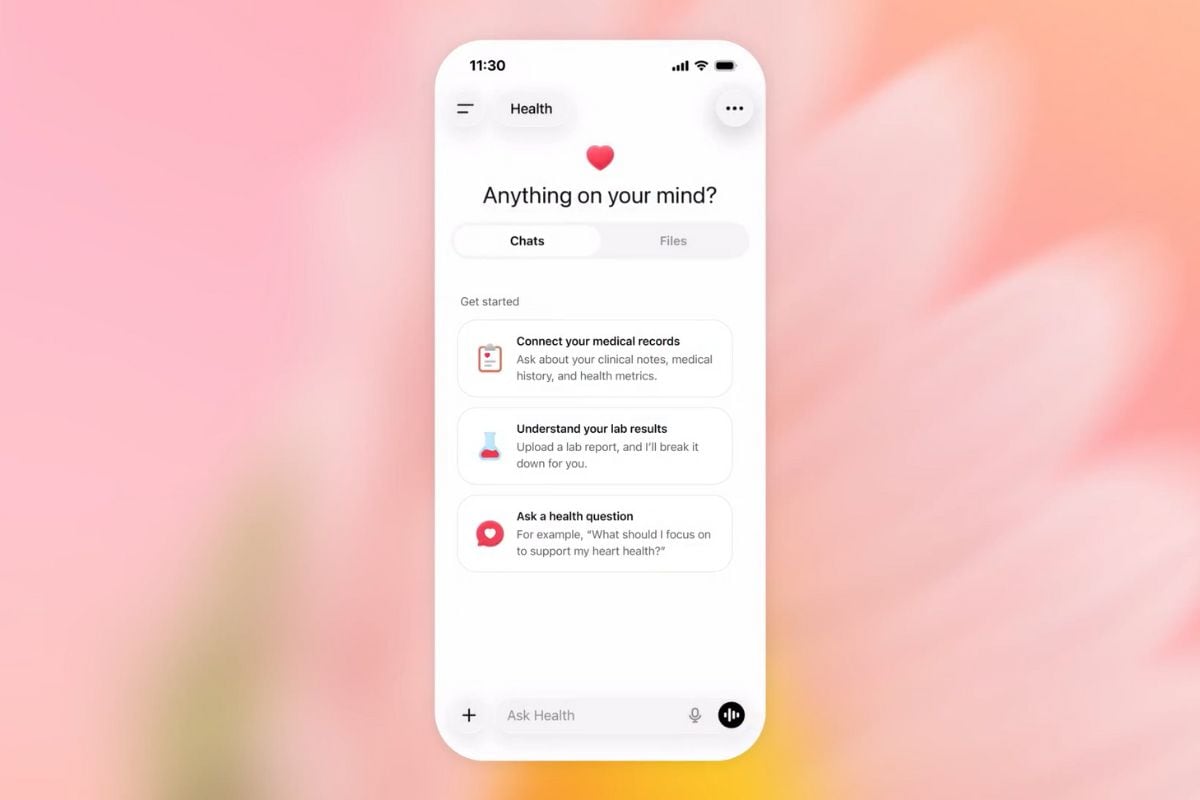
ChatGPT Health is now generally available in the US, allowing users to connect Apple Health and medical records for personalized health advice. Healthtech builders should expect AI-first assistants to become patient engagement moats—but beware: regulated medical advice requires compliance (HIPAA, GDPR, local PHI laws) that consumer AI companies are still figuring out. Build around diagnostics triage and lifestyle coaching, not treatment substitution.
Lending rates linked to external benchmarks have transmitted the Reserve Bank of India's 125 basis point repo rate cut in full, while deposit rates have adjusted more gradually. Insurtech builders relying on lending (embedded health loans, travel insurance credit) will face margin compression—lock in fixed-rate partnerships with insurers now, or pivot to commission-based models.
Samsung Electronics secured a $200 billion partnership with Broadcom for custom AI accelerator chip design and manufacturing, signaling a shift from general-purpose GPUs to specialized AI silicon. Deeptech builders should expect custom-silicon demand to accelerate as hyperscalers lock in foundry relationships—if you're building AI infrastructure (hyperscalers, edge compute), design for multiple foundries, not just TSMC or Samsung.
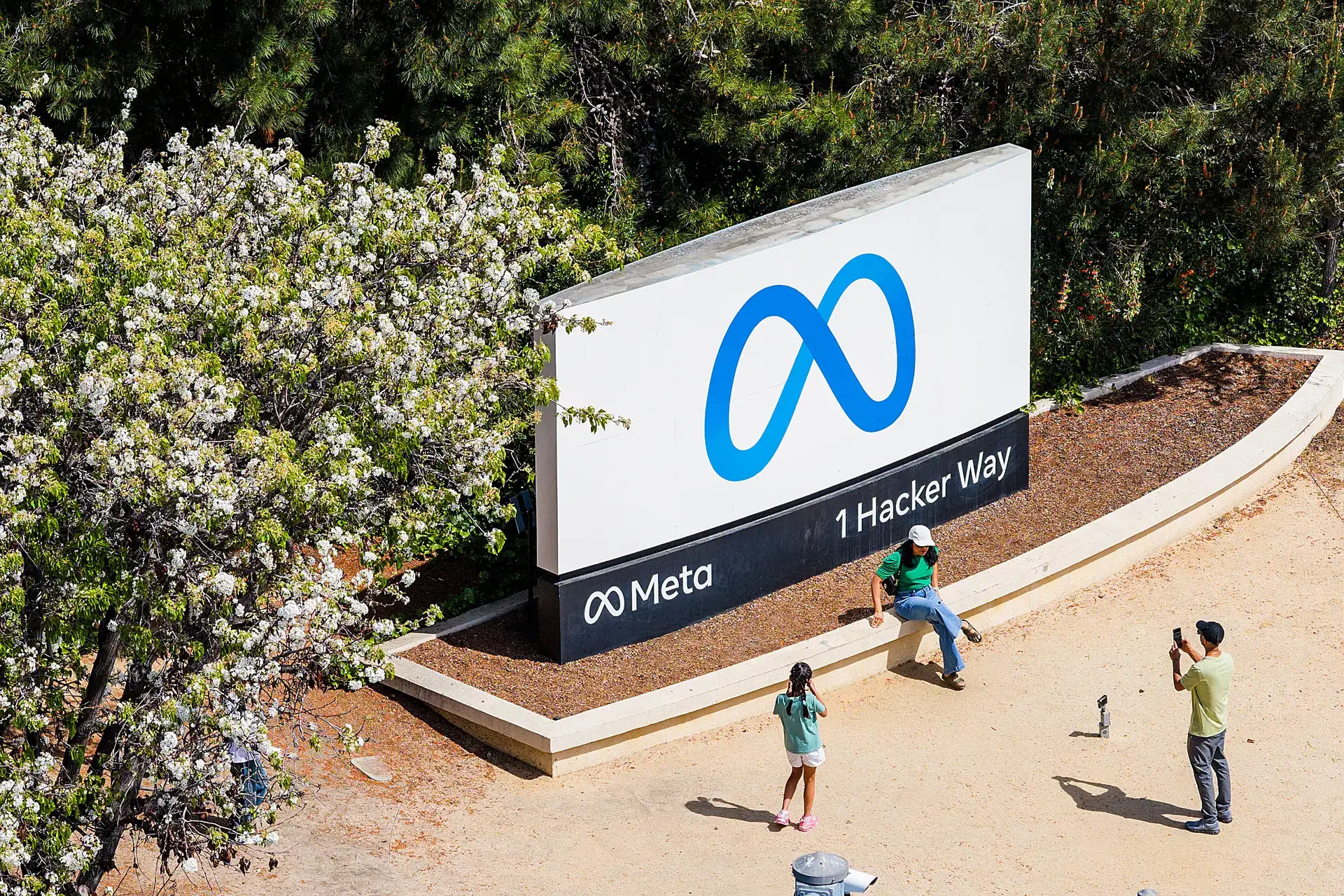
Meta has withdrawn from clean-energy pledges and struck deals with utilities to bring new natural gas power plants online, including 10 plants for its Hyperion data center in Louisiana. Energy-mobility builders should expect data-center energy demand to dwarf renewables capacity—if you're building solar, wind, or battery storage, target GCCs, hyperlocal grids, and industrial consumers first; data-center scale will consolidate around centralized gas power.
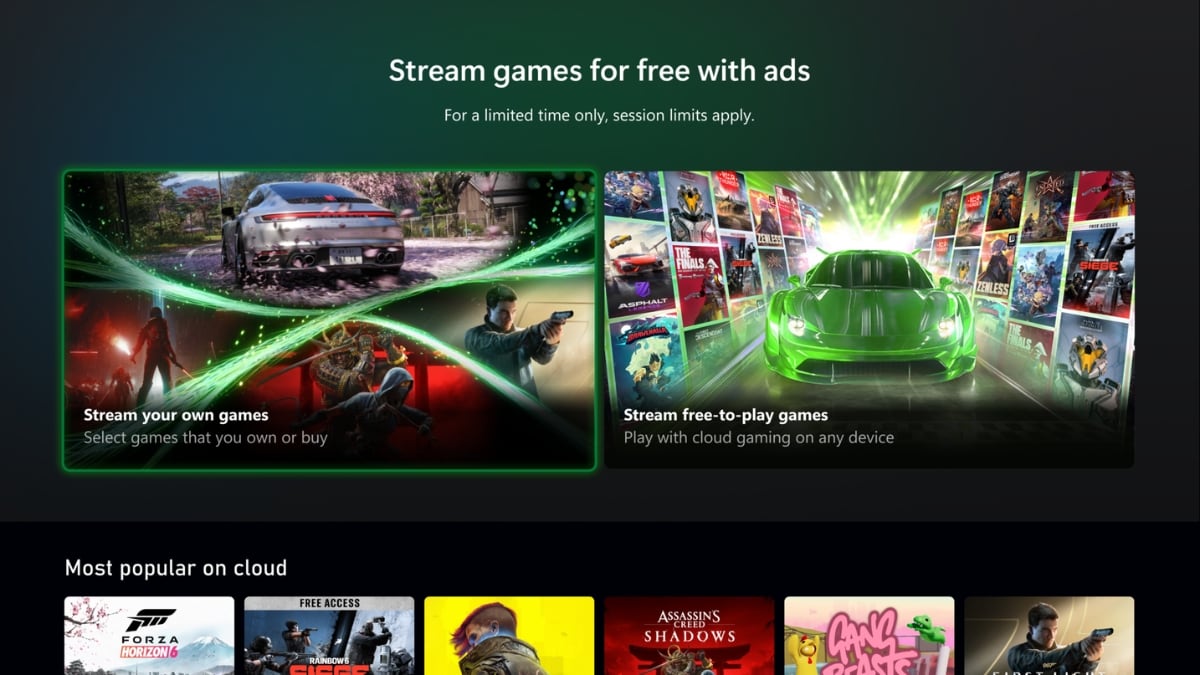
Microsoft has begun testing an ad-supported option on Xbox, allowing users to stream owned games without a cloud gaming subscription, though with a one-hour session limit. Gaming builders should watch ad-supported streaming become the primary monetization lever—free-with-ads and session limits are now industry baseline; compete on content depth and exclusive IP, not accessibility.
Two separate attacks on crypto bridges operated by AFX and Verus Protocol resulted in more than $31.6 million in stolen assets within seven hours; blockchain security firm Blockaid detected both incidents. Web3 builders should assume bridge and cross-chain security will remain a critical failure mode—focus on custody, multi-sig controls, and insurance instead of new chain abstractions.

 Arjun’s TLDR
 Meera’s TLDR